Last updated November 22, 2026
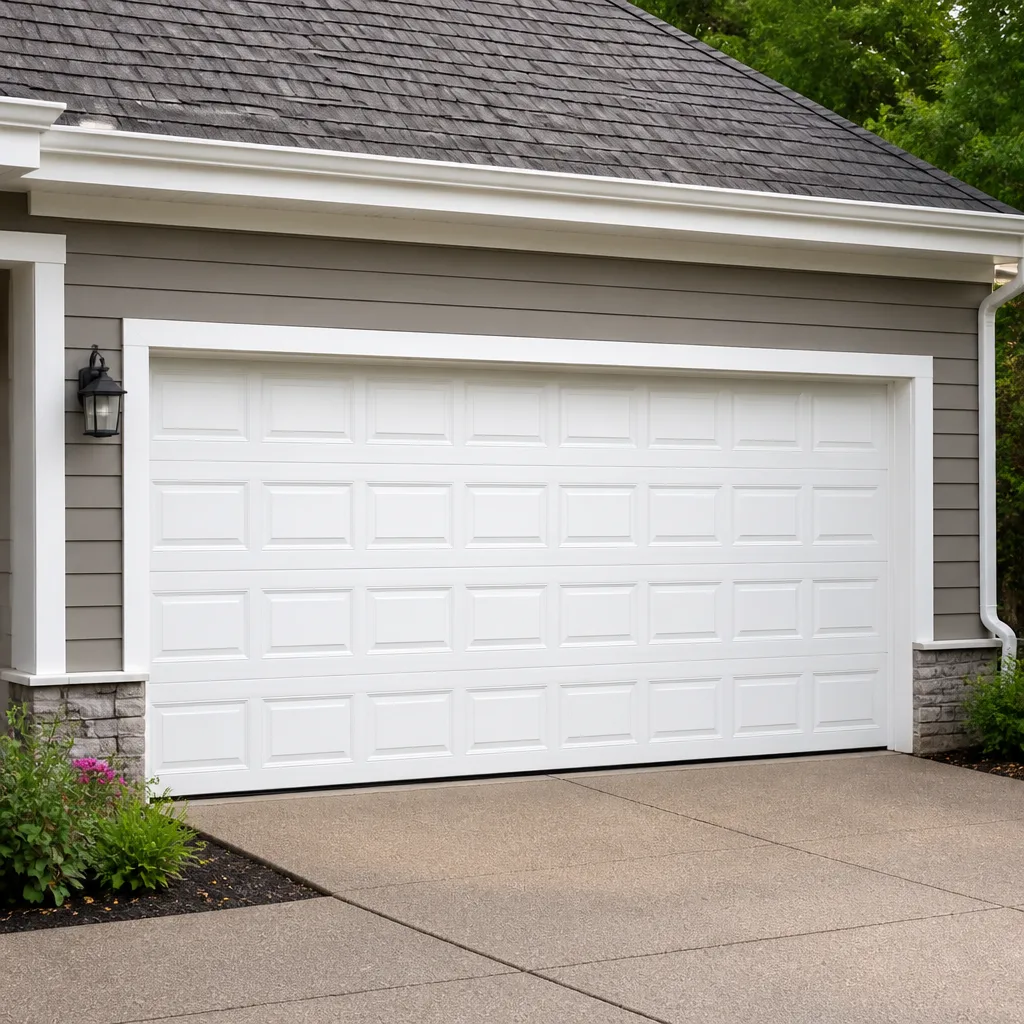 Raised-panel steel
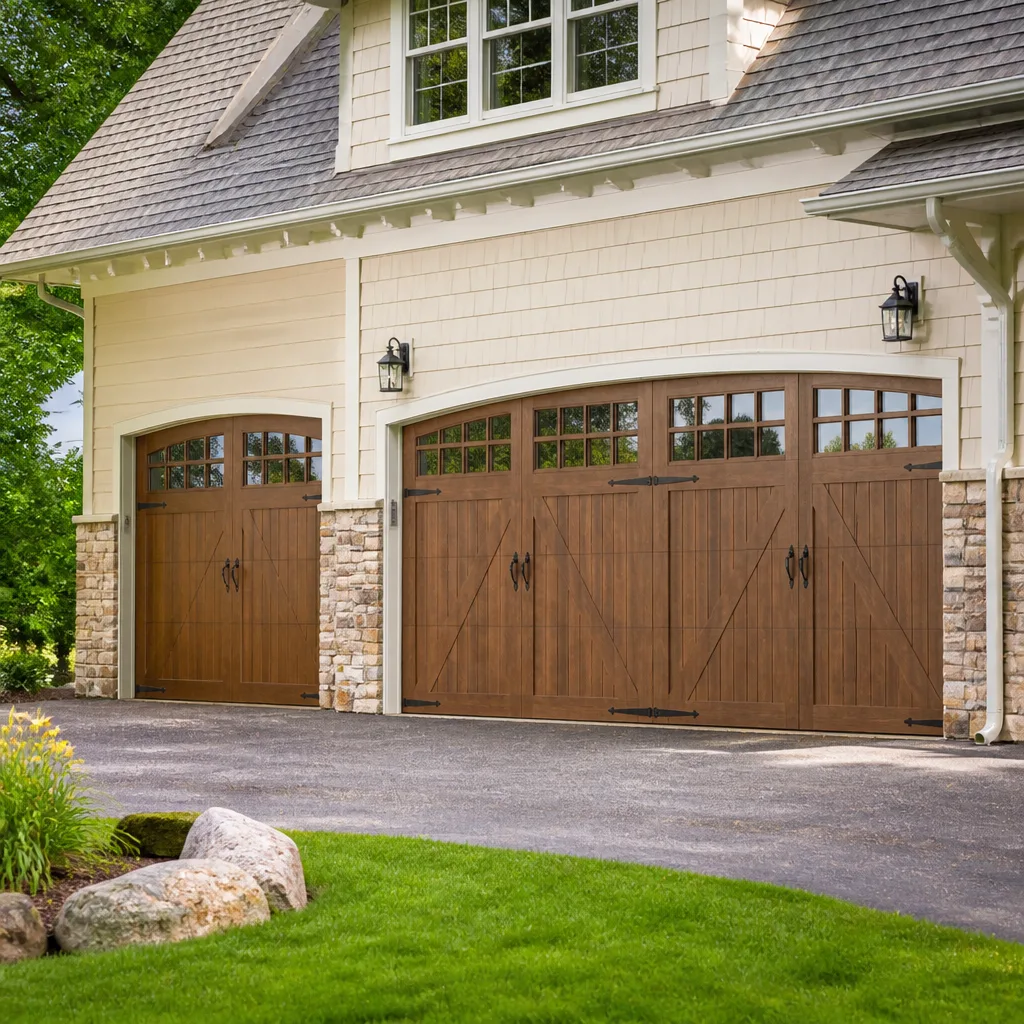 Carriage house
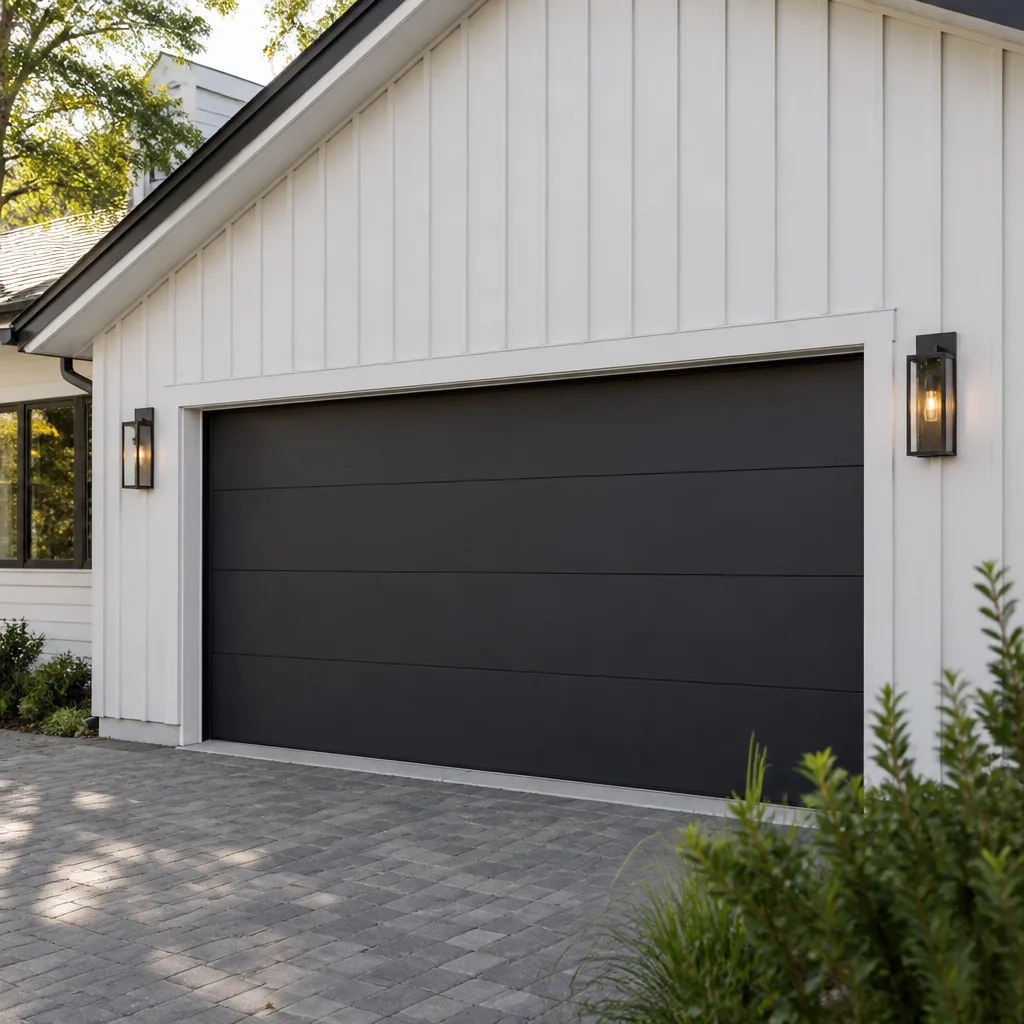 Modern flush
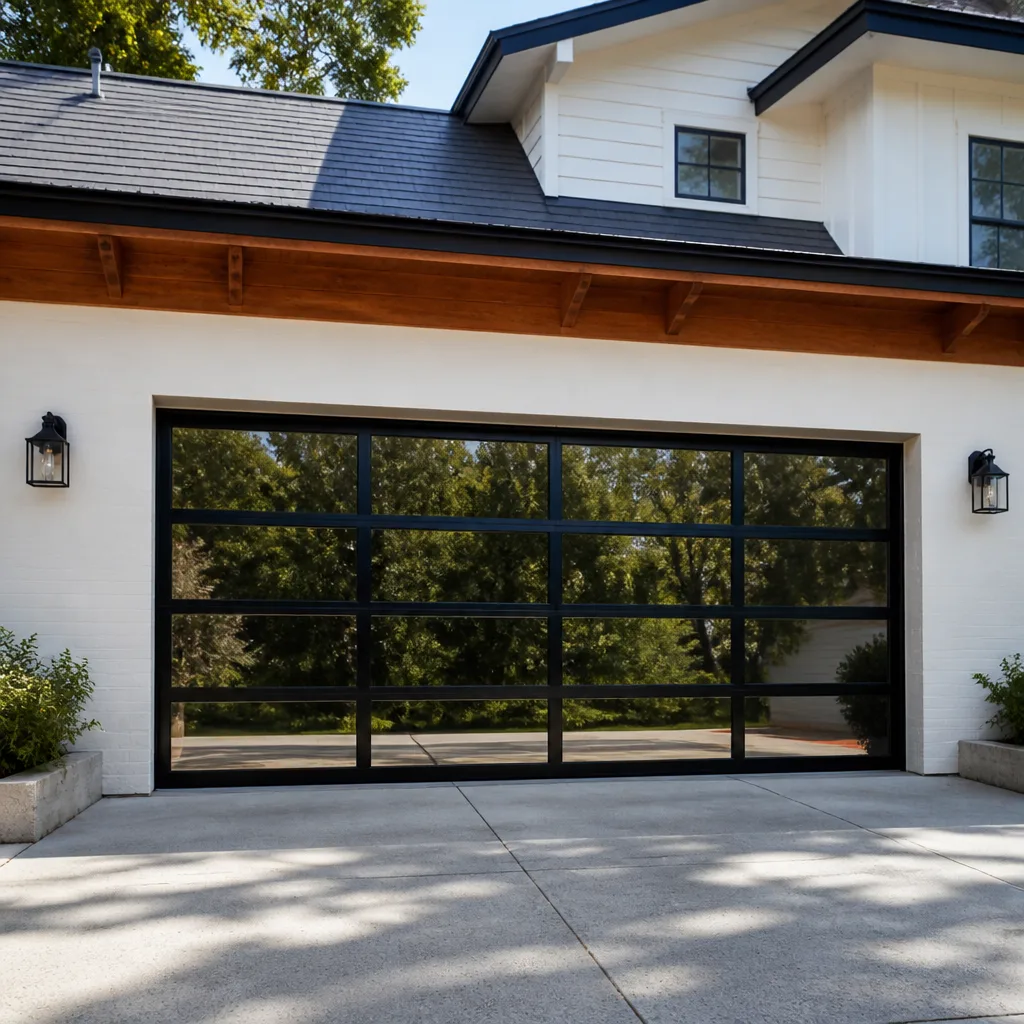 Full-view glass
 LiftMaster openers
 Chamberlain openers
Full 25-point door and opener safety check with every visit - springs, cables, rollers, tracks, and your LiftMaster or Chamberlain opener included
You get a price before we start. It does not change when the pro arrives.
Get your free estimateSeasonal Garage Door Care for Plainfield: Year-Round Homeowner’s Guide
Most homeowners in Plainfield treat garage door maintenance as a spring chore. That instinct is backwards. By the time the ground thaws, the damage is already done. The hinge pins that cracked, the bottom seal that tore off its retainer, the opener gear that ground itself down – all of it was set in motion during the cold months, and most of it could have been prevented with an hour of work in October. This guide breaks the year into four distinct maintenance windows, each with its own job list, and gives you the one monthly check that catches most developing problems before they turn into emergency calls.
Quick Answer
In Plainfield, the most important garage door maintenance happens in fall, before the first hard freeze, when lubricating hinges, rollers, and cables prevents the cold-weather brittleness that leads to cracking and snapped parts in January. Winter care centers on freeing a frozen bottom seal without tearing it, spring work means auditing tracks and hardware for frost-heave damage, and summer brings humidity that swells wood panels and throws door weight off balance. A monthly balance test is the single check that catches most problems early.
Styles & brands we work with
- Raised-panel steel
- Carriage house
- Modern flush
- Full-view glass
- LiftMaster openers
- Chamberlain openers
Table of Contents
- Why Plainfield’s Four Seasons Stress Your Garage Door Differently
- Fall in Plainfield: The Pre-Freeze Checklist That Actually Matters
- Winter: What to Do When the Door Freezes to the Floor
- Spring: The Post-Winter Audit
- Summer: Humidity, Wood Panels, and Spring Tension
- The Monthly Balance Test: Your Best Early-Warning System
- Opener Care Through the Year
- Common Mistakes to Avoid
- When to Call a Professional
Why Plainfield’s Four Seasons Stress Your Garage Door Differently
Plainfield sits in a continental climate with real temperature swings – hot, humid summers and cold winters with genuine freeze-thaw cycles. That combination is hard on garage doors in ways that mild-climate guides never address. A garage door isn’t a static object; it’s a mechanical system of springs, cables, rollers, hinges, and a motor, and every one of those components responds to temperature.
Metal expands in heat and contracts in cold. Steel springs behave differently at 15 degrees than they do at 85. Wood panels absorb moisture in summer humidity and release it in dry winter air, which is why a door that closes cleanly in July can sit crooked in February. And the concrete apron in front of your garage – the slab the door seals against – heaves and settles with the freeze-thaw cycle, which throws off track alignment over time.
The result is that a single “check it twice a year” routine doesn’t work here. Each season brings a different category of stress, and each deserves its own handful of tasks done at the right time. That’s the framework this guide is built on. We’ve worked on doors across Plainfield long enough to know which failures cluster in which months, and the pattern is consistent.
The good news: none of the seasonal work is complicated. Most of it is inspection and lubrication, done by the homeowner. The trick is knowing what to look for and when. That’s what the next four sections cover.
Fall in Plainfield: The Pre-Freeze Checklist That Actually Matters
October is the most important month on the Plainfield garage door calendar. The work you do before the first hard freeze determines whether your hardware, seals, and opener make it to April without a service call. Here’s why the timing matters so much.
Garage door lubricant is a barrier. When hinges, rollers, and cables are properly coated in fall, that coating keeps moisture out and keeps the moving parts sliding smoothly as temperatures drop. Skip it, and by January those same parts are dry, stiff, and prone to the kind of brittleness cracking that turns a $10 hinge into a snapped torsion cable. The cold doesn’t create the failure; it exposes the neglect.
The pre-freeze checklist, in order:
- Lubricate hinges, rollers, and the torsion spring coils. Use a garage-door-specific lubricant, not WD-40. A light coat on every hinge pivot, each roller stem, and the spring coils is the single highest-value task on this list.
- Lubricate the cables where they pass through pulleys. Cables don’t usually fail from wear – they fail from corrosion and stiffness at the pulleys. A coating here prevents the binding that snaps cables in cold weather.
- Inspect the bottom seal for cracks or compression. A worn seal that’s already flattened won’t survive a freeze. Replace it before the cold locks it in place.
- Test the auto-reverse safety feature. Place a 2×4 flat on the ground under the door and close it. The door should reverse on contact. If it doesn’t, adjust the opener’s sensitivity setting before winter.
- Tighten all track bolts and hinge screws. Vibration loosens hardware over the summer. Snug everything now, before the cold makes metal brittle.
- Clear debris from the tracks. Leaves, grit, and small stones collect in the track channels. A vacuum and a damp cloth keep rollers running clean.
- Check the weatherstripping around the door frame. Gaps let cold air and moisture in, which accelerates freeze damage at the seal.
That’s roughly an hour of work. Done in October, it prevents most of the January and February failures we get called out for. Done in April, it’s too late for the season that just passed. If your door needs garage door repair before the cold sets in, get it handled now rather than waiting for a frozen morning.
Winter: What to Do When the Door Freezes to the Floor
Every winter, homeowners across Plainfield wake up to a door that won’t budge – the bottom seal has frozen to the concrete. What most people do next is the single most common mistake we see: they hit the opener and hold it, or they grab the door and yank. Both tear the bottom seal off its retainer. Once that happens, the seal is ruined and the door is now a cold-air funnel until it’s replaced.
Here’s the correct approach.
- Stop pressing the opener. The opener is strong enough to rip the seal, but not strong enough to break a solid ice bond. Every cycle you run makes the tear worse.
- Disconnect the opener. Pull the emergency release cord so the door is manual. This protects the opener motor and gear from strain.
- Free the seal gently. Work a plastic putty knife or a stiff broom along the bottom edge, lifting as you go. Never use a metal tool that can gouge the seal or the concrete. If the seal is stuck hard, warm water poured along the base softens the ice bond without damaging the rubber.
- Once free, lift the door by hand. If it lifts cleanly, reconnect the opener. If it still binds, something else is frozen or broken – stop and call.
Preventing the freeze in the first place is easier. Keep the bottom seal clean and dry. A coat of silicone spray on the seal’s contact surface once a month through winter keeps ice from bonding to it. And clear snow and ice from the apron in front of the door – a drift that melts and refreezes under the seal is the usual culprit. Plainfield gets enough freeze-thaw cycling that this happens repeatedly, not just once a season.
If your door has frozen repeatedly and the seal is already torn, that’s ordinary repair work – not an emergency, but worth scheduling before the next cold snap. When a door genuinely won’t move and you can’t get it free, our emergency garage door service exists for exactly that situation.
Spring: The Post-Winter Audit
Spring in Plainfield is the season of discovery. The thaw reveals what winter did. The most overlooked issue, and the one we see most often, is track misalignment caused by frost heave in the concrete apron – the slab the door seals against.
Here’s what happens. Water gets under the apron, freezes, and lifts the concrete slightly. It settles back when it thaws, but not always to the same position. Over a winter or two, the slab edges can shift by fractions of an inch – enough to throw off the alignment between the door’s bottom edge and the track it rides in. The door starts binding, the rollers wear unevenly, and the opener strains to compensate. Left alone, this turns into a track replacement rather than an adjustment.
The post-winter audit, in order:
- Look down the tracks from the side. Stand at the door opening and sight along each track. Both should be straight and plumb. Bends, dips, or a gap between the track and the door edge are misalignment signs.
- Open the door slowly by hand. Any spot where it binds, scrapes, or hesitates is a track or roller problem. A door that moves smoothly by hand should move smoothly on the opener.
- Check the bottom seal for tears and compression. Winter abuse shows here first. A torn seal lets in water and cold air and should be replaced.
- Inspect the springs for rust or stretch. Rust on a torsion spring is a warning. A spring that looks longer than it should – or one side of a pair sagging – is losing tension and needs a technician’s eye.
- Test the balance. Pull the emergency release and lift the door halfway. It should hold in place. If it drops or rises on its own, the springs need adjustment.
- Check the opener’s force settings. After a winter of strain, the opener may have been adjusted up. Reset it to manufacturer spec so the safety reverse works correctly.
If the audit turns up spring problems, that’s not a homeowner job. Torsion and extension springs are under high tension, and releasing or adjusting them without the right tools and training is genuinely dangerous. Our garage door spring repair service handles that work specifically, and it’s the one area where we recommend calling rather than tinkering.
Summer: Humidity, Wood Panels, and Spring Tension
Summer brings the opposite problem from winter, and it’s easy to miss because nothing fails dramatically. Humidity swells wood panels. A Clopay or Amarr wood-composite door absorbs moisture over the humid months, which changes its weight. A heavier door puts more load on the springs, and the whole system drifts out of balance.
What most homeowners don’t realize is that spring tension can be adjusted for the seasonal weight change – but doing it wrong, or expecting the opener to compensate, is a common cause of premature opener failure. Here’s the right way to think about it.
- Don’t adjust spring tension yourself to compensate for humidity. It’s easy to overcorrect, and an over-tensioned spring is a hazard. If the door feels noticeably heavier in August than it did in April, that’s a signal to have a technician check the spring balance and set it to spec.
- Don’t raise the opener’s force setting to push a heavier door. The opener is designed to lift a balanced door; if it’s straining, the door is out of balance, not the opener. Cranking up the force setting strains the motor and gear and often voids the opener warranty on LiftMaster, Chamberlain, and Genie units. Keep the force settings at manufacturer spec.
- Wipe down wood panels and keep the seal painted or sealed. A sealed surface absorbs less moisture, which keeps the door’s weight more stable through the summer.
- Watch for rust on metal parts. Summer humidity plus winter road treatments create corrosion on hinges, rollers, and the bottom fixtures. A light lubricant coat once a month keeps it in check.
- Check the tracks for swelling at the bottom. Wood frames around the opening can swell and pinch the tracks in humid weather, causing binding that looks like a track problem but isn’t.
If you have a smart opener – a LiftMaster with myQ or a Chamberlain unit – summer is also a good time to check the app’s diagnostic reports. Many of these systems log repeated obstructions, force warnings, and cycle counts that can flag a developing problem before the door actually fails.
The Monthly Balance Test: Your Best Early-Warning System
If you do only one thing every month, make it the balance test. It takes two minutes and catches the majority of developing problems before they become emergency calls – springs losing tension, cables binding, openers working too hard, tracks misaligning.
How to test the balance:
- Close the door fully. Then pull the emergency release cord to disconnect the opener from the door.
- Lift the door by hand to about waist height. Use the lift handle, not the panels.
- Let go. A balanced door stays roughly where you left it. A door that drops means the springs are losing tension. A door that rises on its own means they’re over-tensioned.
- Lower it fully by hand and check the travel. It should move without binding, scraping, or hesitation at any point.
- Reconnect the opener. Push the door back down until the carriage engages, or press the opener’s release lever as directed by the manufacturer.
A door that passes in April and fails in October is telling you the springs have weakened through the summer’s heat and the winter’s cold. That’s a normal aging pattern – torsion springs lose tension with every cycle – and it’s far cheaper to address as a scheduled adjustment than as an emergency repair. For a closer look at what fails and why, our Garage Door Repair Plainfield Pros page covers the full range of repair situations.
Opener Care Through the Year
Opener maintenance follows the same seasonal rhythm as the door, with a few tasks that apply year-round. The opener is doing more work than most homeowners realize – it lifts a door that weighs a hundred pounds or more, dozens of times a day, in temperatures that swing from single digits to the high nineties.
Year-round opener tasks:
- Test the safety reverse every month. The 2×4 test from the fall checklist works year-round and is the single most important safety check on your opener.
- Test the photo-eye sensors every month. Wipe the lenses and make sure the beam is unbroken when the door is closing. Snow, leaves, and dirt all interfere with these.
- Listen for the sound changing. A healthy opener runs smoothly and quietly. Grinding, rattling, or a change in pitch is a sign of gear wear, a loose chain, or a door out of balance.
- Don’t ignore a blinking light code. LiftMaster, Chamberlain, Genie, and Craftsman openers all use blinking LED codes to report specific faults. Check the manual, or call and describe the blink pattern.
- Clear the opener’s path of stored items. Books, boxes, and holiday decorations hanging from the opener rail add weight and obstruct the safety sensors. Keep the area clear.
- In cold seasons, listen for strain. An opener that sounds labored in January is probably fighting a stiff door. Lubricate the door before assuming the opener is failing.
If your opener is showing symptoms – it struggles to lift, reverses partway, or won’t respond to the remote – that’s garage door opener repair territory, not a door problem. Getting the diagnosis right matters, because we’ve seen openers replaced when the actual issue was a stiff door or a misaligned track.
Common Mistakes to Avoid
- Waiting for spring to do the prep work. The damage happens in October through January. Prep work done in March is prep work for the wrong season.
- Yanking a frozen door open. This tears the bottom seal off its retainer nearly every time. Disconnect the opener and free the seal gradually, or call.
- Lubricating with WD-40 or cooking oil. Neither is a garage-door lubricant. WD-40 evaporates and attracts dust; cooking oil gums up in cold weather. Use a proper garage-door lubricant.
- Adjusting spring tension yourself. Springs are under high tension and adjusting them is a dangerous job. This is the one thing on this list you should not do. Our garage door spring repair service exists precisely because this work is safety-critical.
- Cranking up the opener’s force setting to push a heavy door. This is a common fix that strains the motor and often voids the warranty on LiftMaster, Chamberlain, and Genie units. The real fix is balancing the door.
- Ignoring a track that looks slightly off. Track misalignment from frost heave is a slow-developing problem, but once the rollers wear unevenly, it turns into a full track replacement.
- Skipping the monthly balance test. It’s two minutes and it catches most developing failures early. This is the check that matters most.
When to Call a Professional
Some jobs are homeowner work. Others aren’t. Call a technician for anything involving springs, cables, or the torsion system – those components are under high tension and releasing them without the right tools is genuinely dangerous. Call too if the door is binding, if a roller has come out of its track, if the opener runs but the door doesn’t move, or if you’ve had a door that failed the balance test two months in a row. In Plainfield, our team can also handle the pre-season inspection and adjustment work so the door is set correctly before each season starts, rather than after a failure. We work on the brand already in your garage – LiftMaster, Chamberlain, Genie, Clopay, Amarr, Wayne Dalton, Craftsman, and Raynor – and our technicians have up to 8 years of experience with all of them. Garage Door Repair Plainfield Pros offers free estimates in Plainfield – call (877) 792-6208.
See the difference
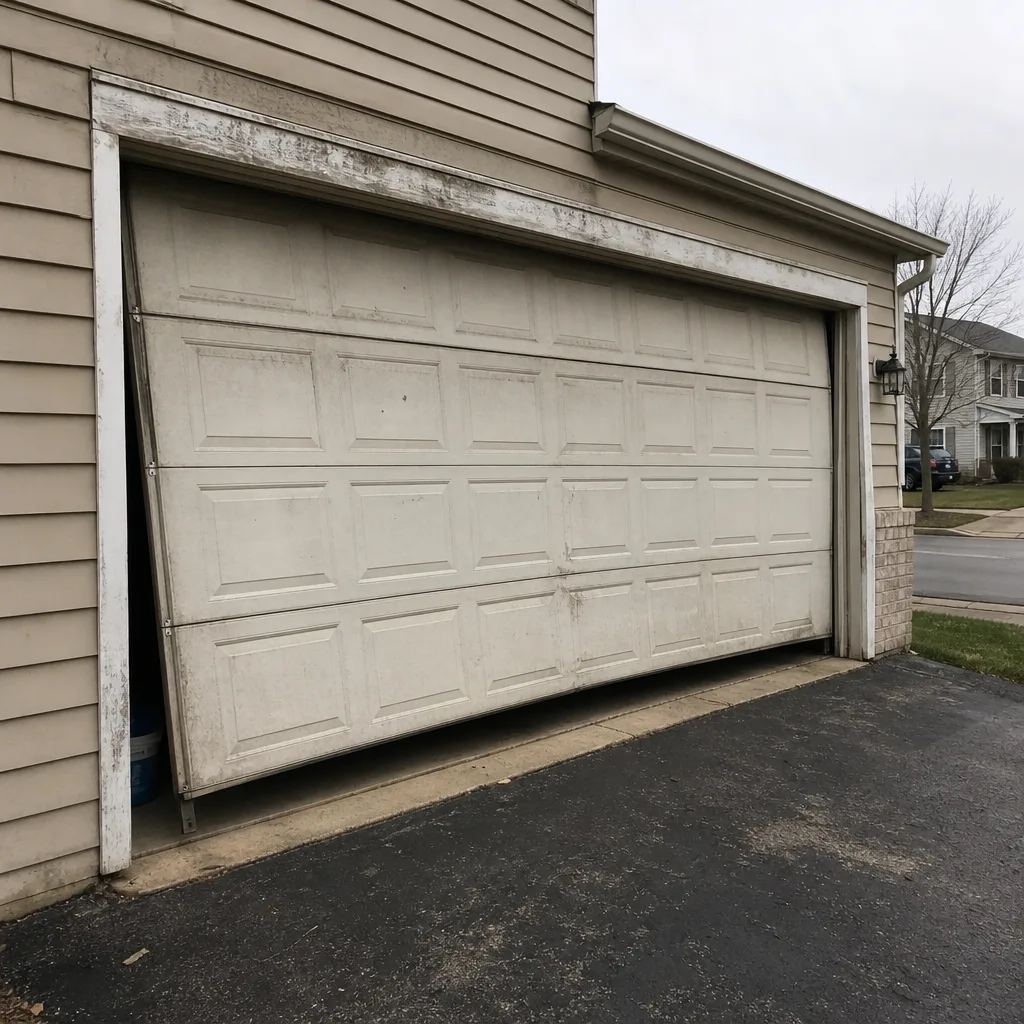 Before
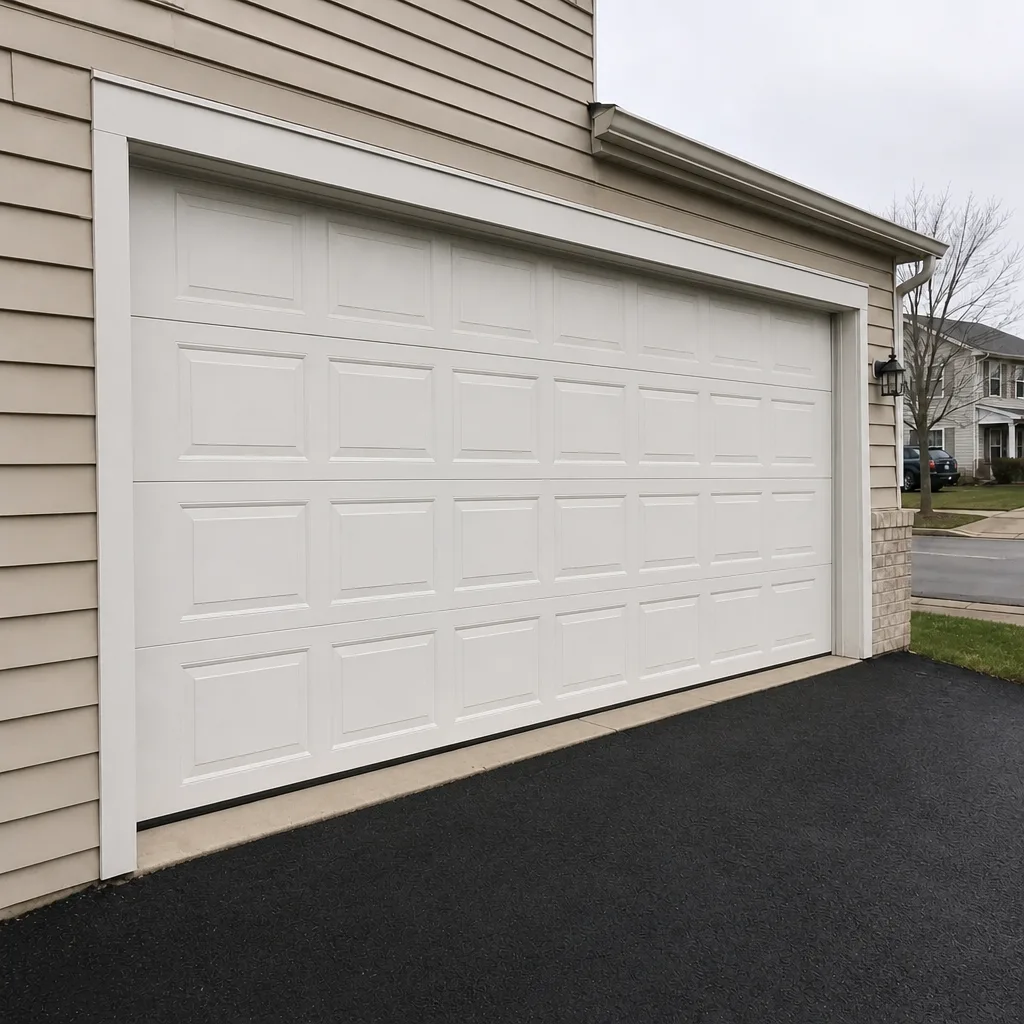 After
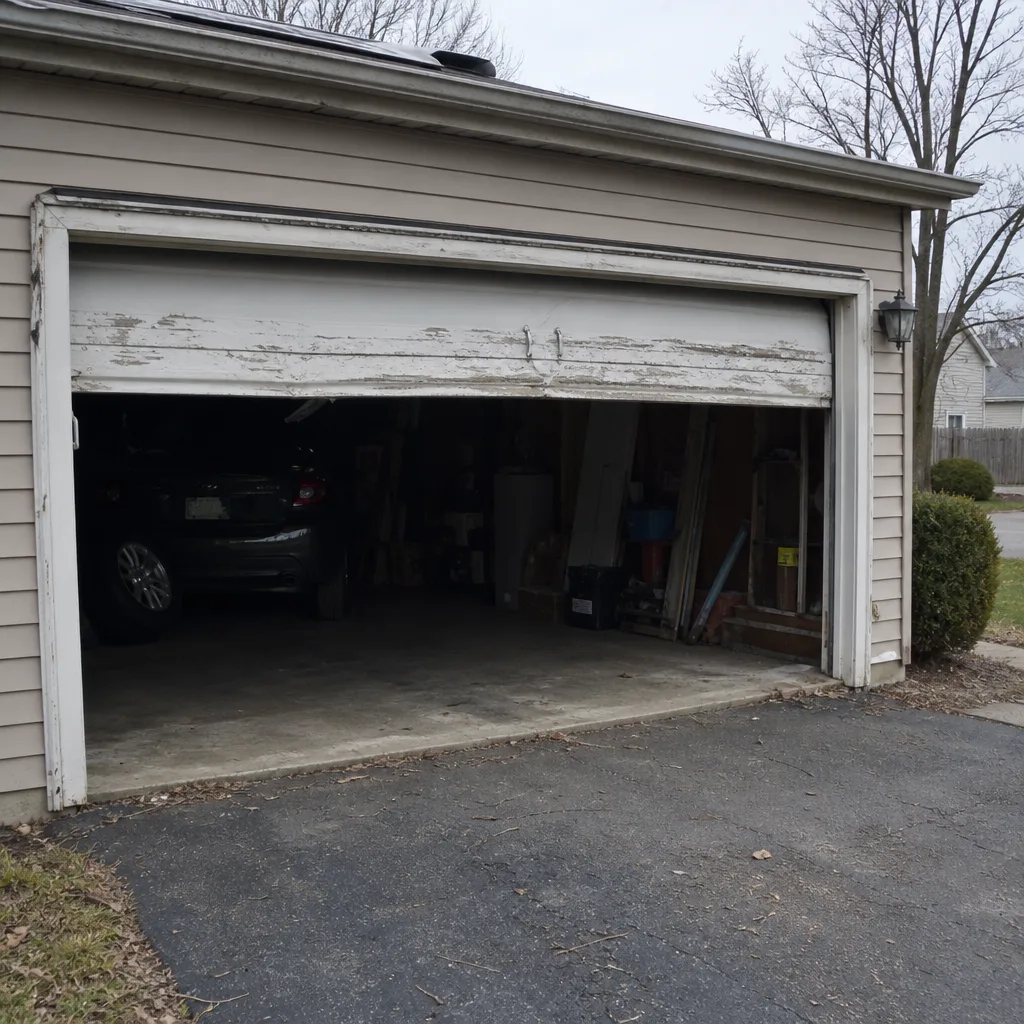 Before
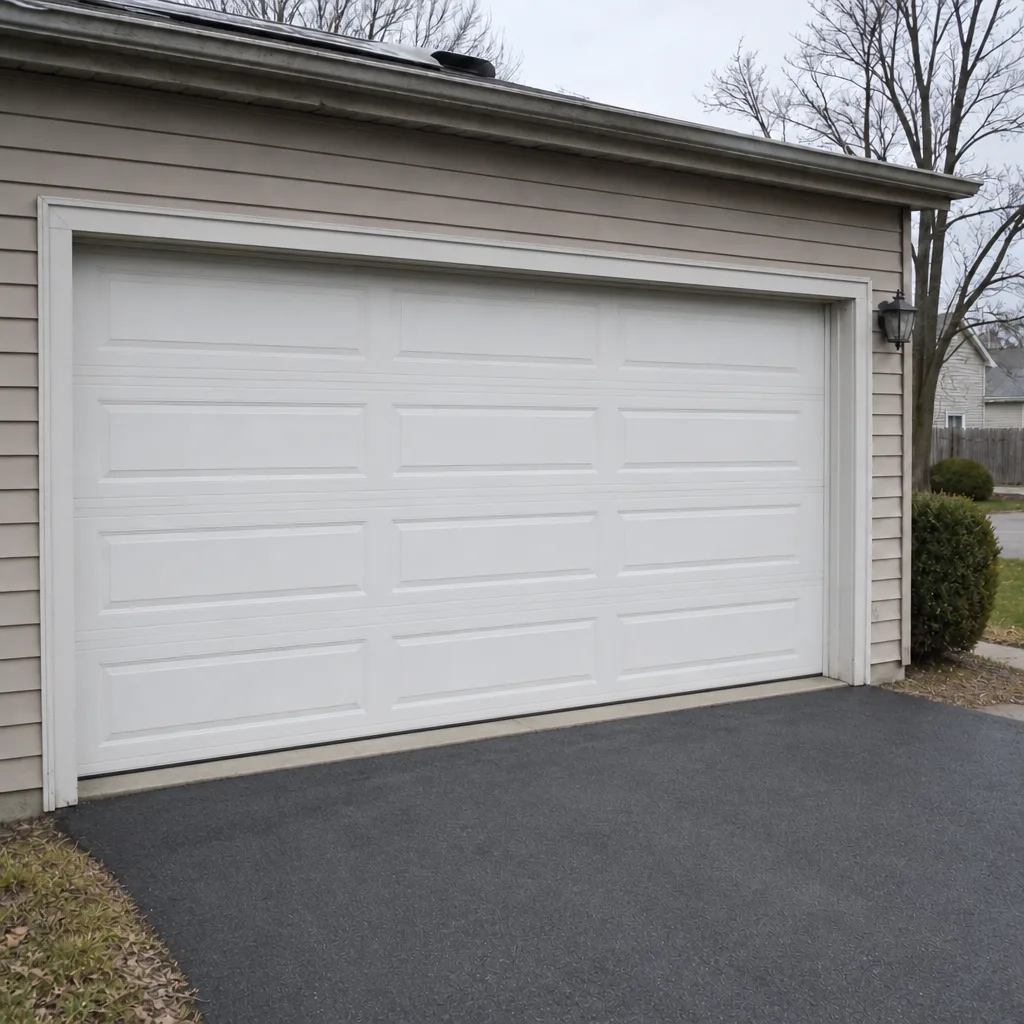 After
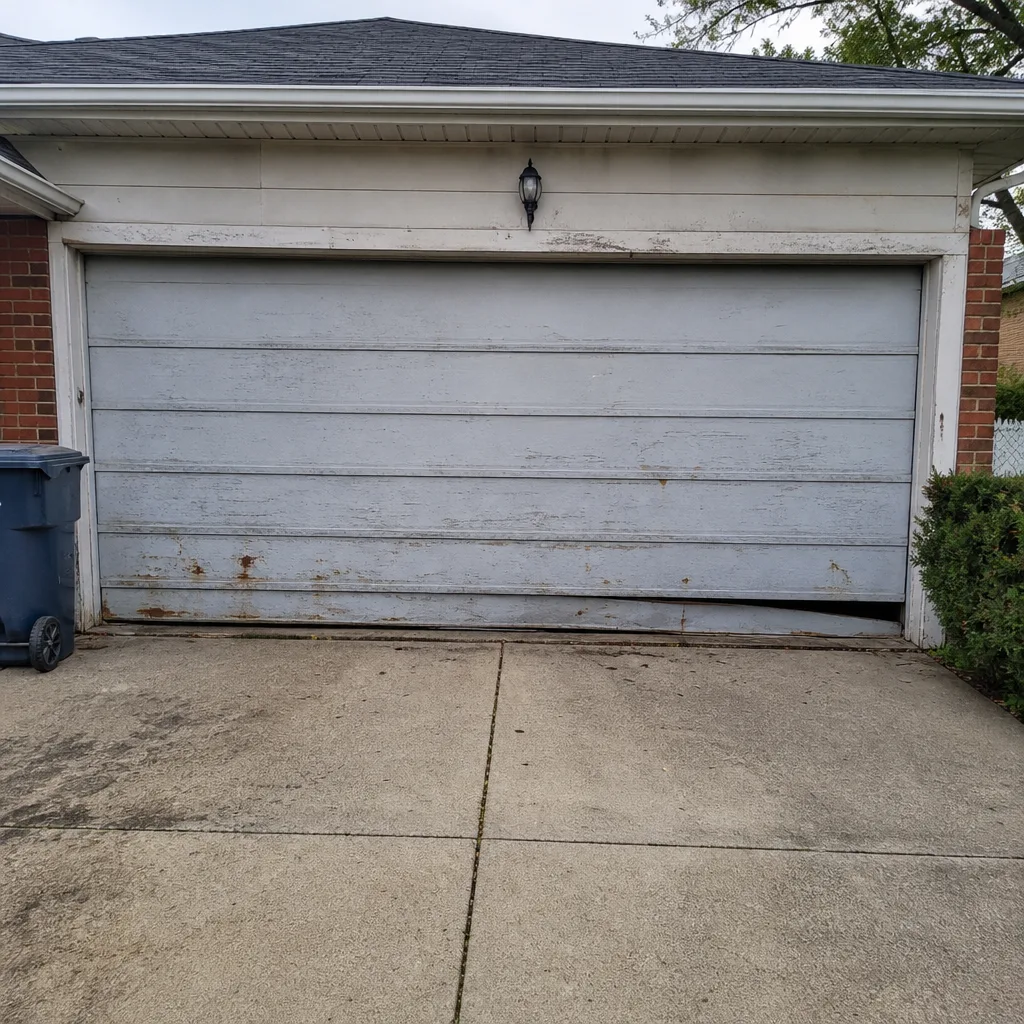 Before
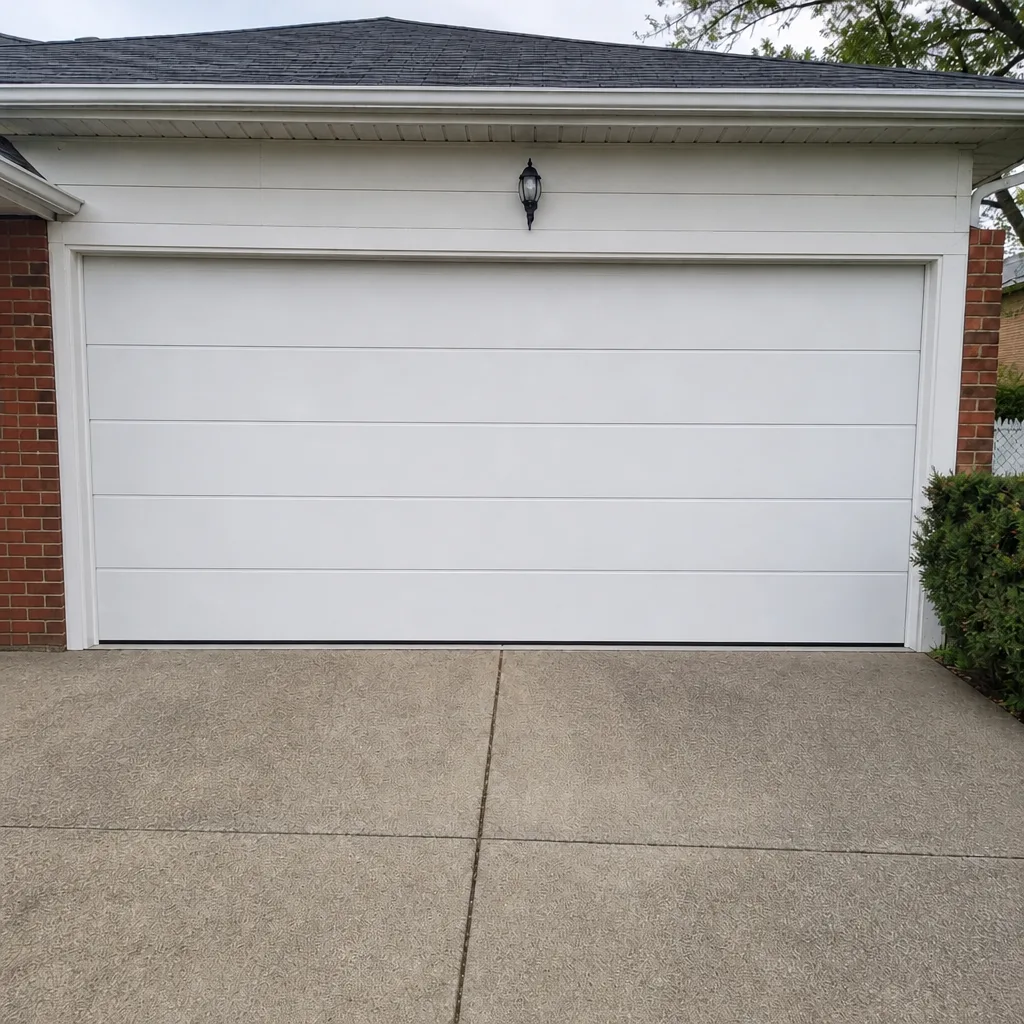 After
Frequently Asked Questions
Twice a year at minimum, but the timing matters more than the frequency. Do the major checklist in October, before the first hard freeze, and again in April after the thaw. The monthly balance test fills the gaps in between. A two-a-year schedule done at the right times prevents most failures; done at the wrong times, it misses the season that does the damage.
Water gets under the bottom seal and refreezes overnight, bonding the rubber to the concrete. The usual cause is snowmelt or runoff that pools at the apron and refreezes. Preventing it means clearing snow from the apron, keeping the seal clean and dry, and applying a silicone spray to the seal’s contact surface once a month through winter.
Yes, if the door is frozen to the floor only. Disconnect the opener, then free the seal gradually with a plastic tool or warm water. Don’t force it with the opener – that’s what tears the seal. If the door is frozen anywhere else, or if it moves freely after freeing the seal but still doesn’t open, stop and call. Those are signs of a mechanical problem the cold has exposed.
Yes, for urgent situations. A door that’s stuck open, stuck closed, or has failed outright qualifies for same-day emergency service. A door that fails the balance test but still operates is usually a scheduled repair or spring adjustment. Call (877) 792-6208 and describe the situation – we’ll tell you honestly whether it’s an emergency or not.
Adjusting spring tension doesn’t directly void an opener warranty, but raising the opener’s force setting to compensate for a heavy door often does. That’s the mistake. Keep the opener at manufacturer force spec and have the springs adjusted to match the door’s actual weight, not the other way around.
Sight down each track from the side – both should be straight and plumb. A gap that opens and closes between the door’s edge and the track as it travels is a sign. So is a door that binds or scrapes in one spot but not others. Track misalignment sounds like a slow grind and often comes with uneven roller wear. Call and describe it before the wear turns into a full track replacement.
The local professionals we connect you with are licensed and insured as their state requires. Our technicians have up to 8 years of experience across the major garage door and opener brands. For an exact quote on your door, call (877) 792-6208 – estimates are free.
The Bottom Line
The most useful thing you can do for your Plainfield garage door is also the least obvious: work on it in October, not April. Lubricate the moving parts before the cold makes them brittle, free the seal without tearing it in winter, audit the tracks after the spring thaw, and keep the opener at spec through the humid months. The monthly balance test stitches the whole year together and catches most developing problems early. Our technicians have up to 8 years of experience across LiftMaster, Chamberlain, Genie, Clopay, Amarr, Wayne Dalton, Craftsman, and Raynor, and we’re here for the jobs that shouldn’t be do-it-yourself.
If your door is binding, struggling, or due for a seasonal inspection, call Garage Door Repair Plainfield Pros at (877) 792-6208 for a free estimate in Plainfield. We’ll set the door right before the next season starts – not after the failure.
Written by the team at Garage Door Repair Plainfield Pros.