Last updated November 22, 2026
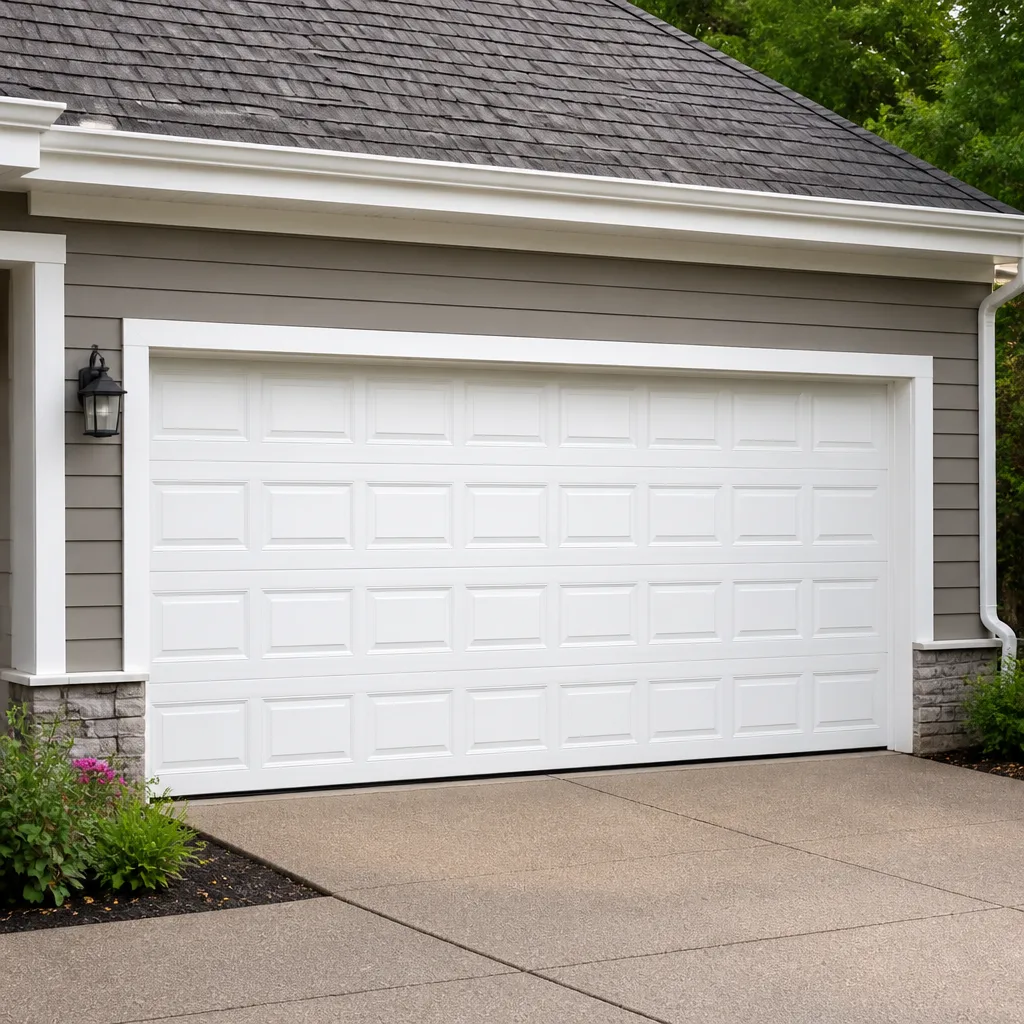 Raised-panel steel
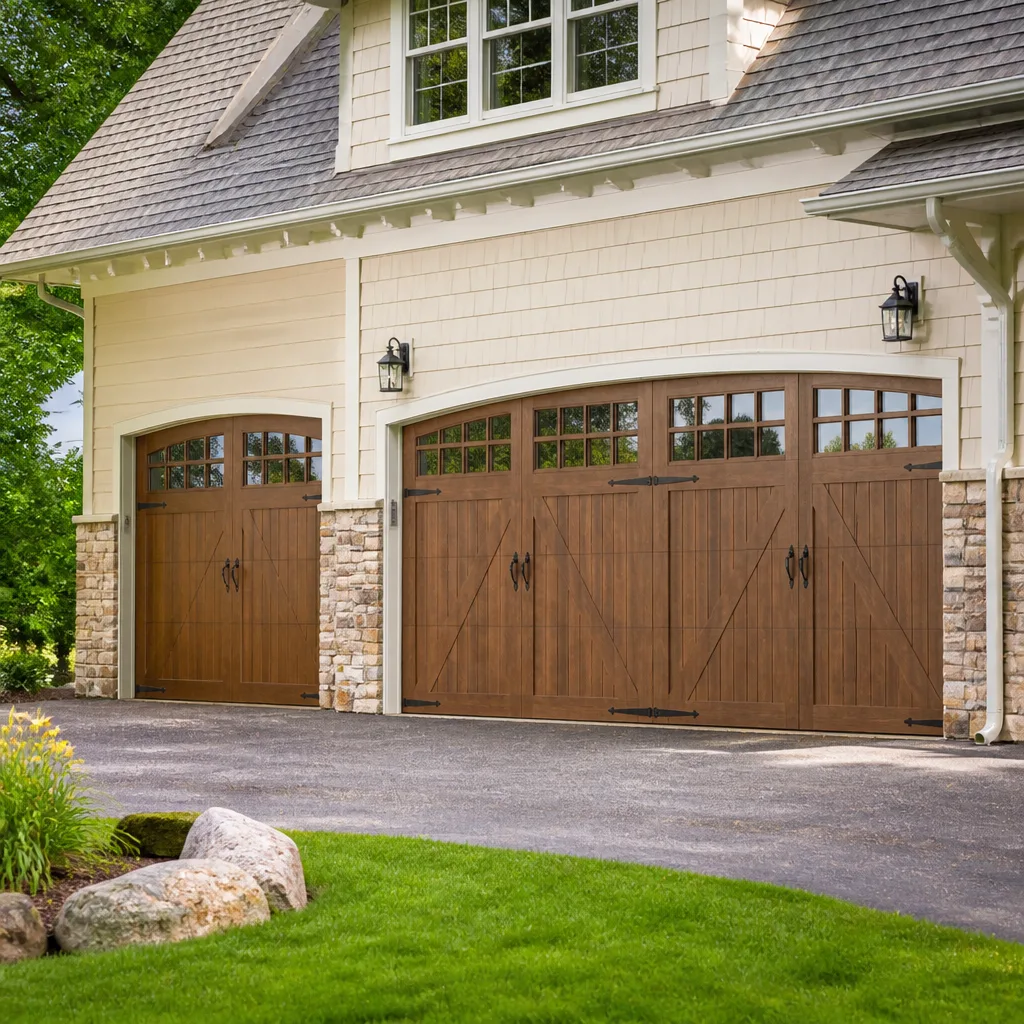 Carriage house
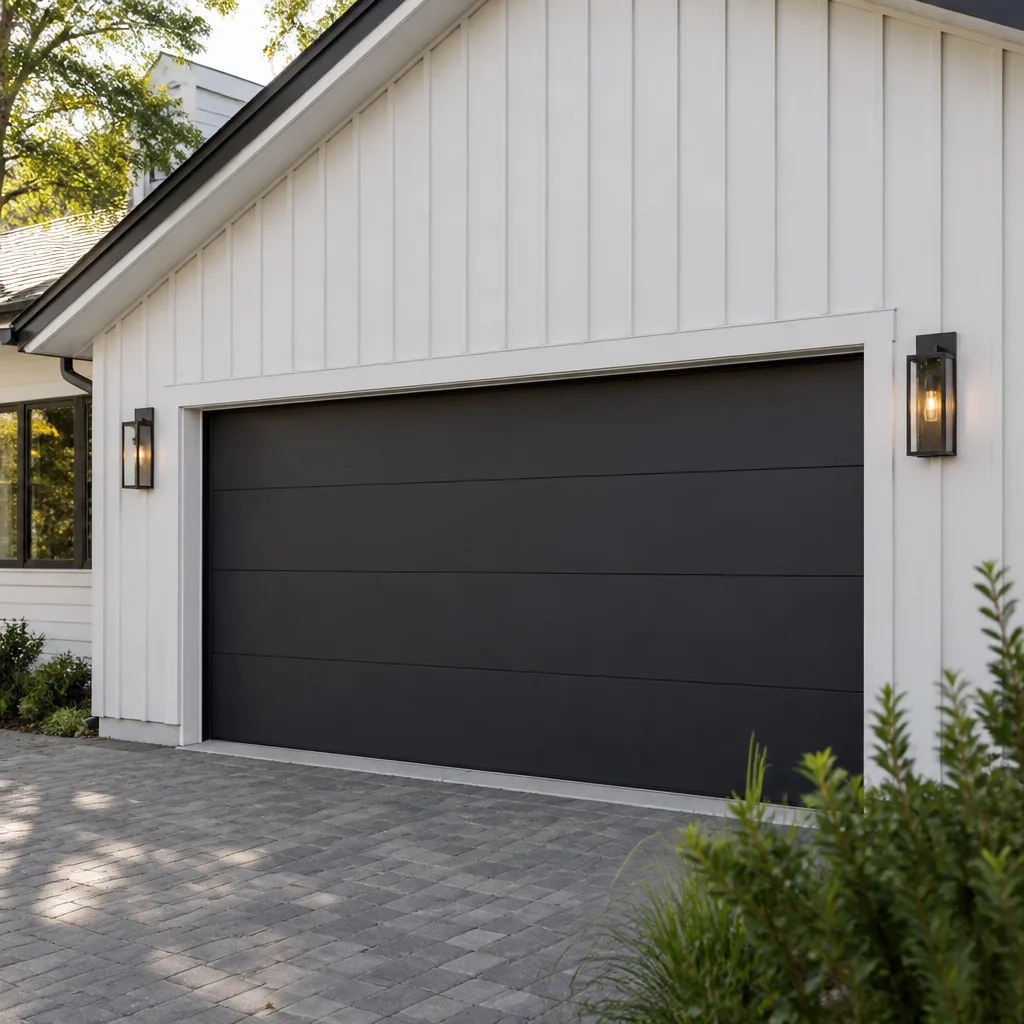 Modern flush
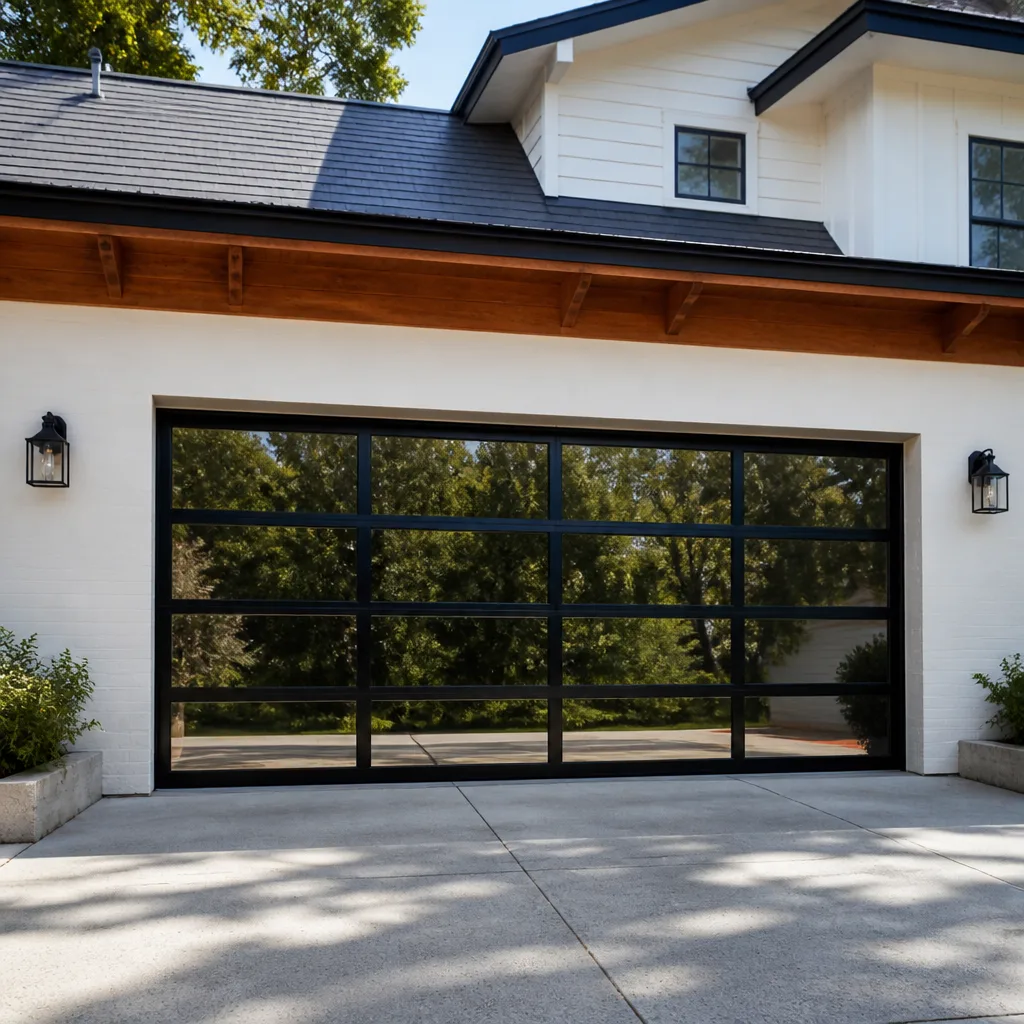 Full-view glass
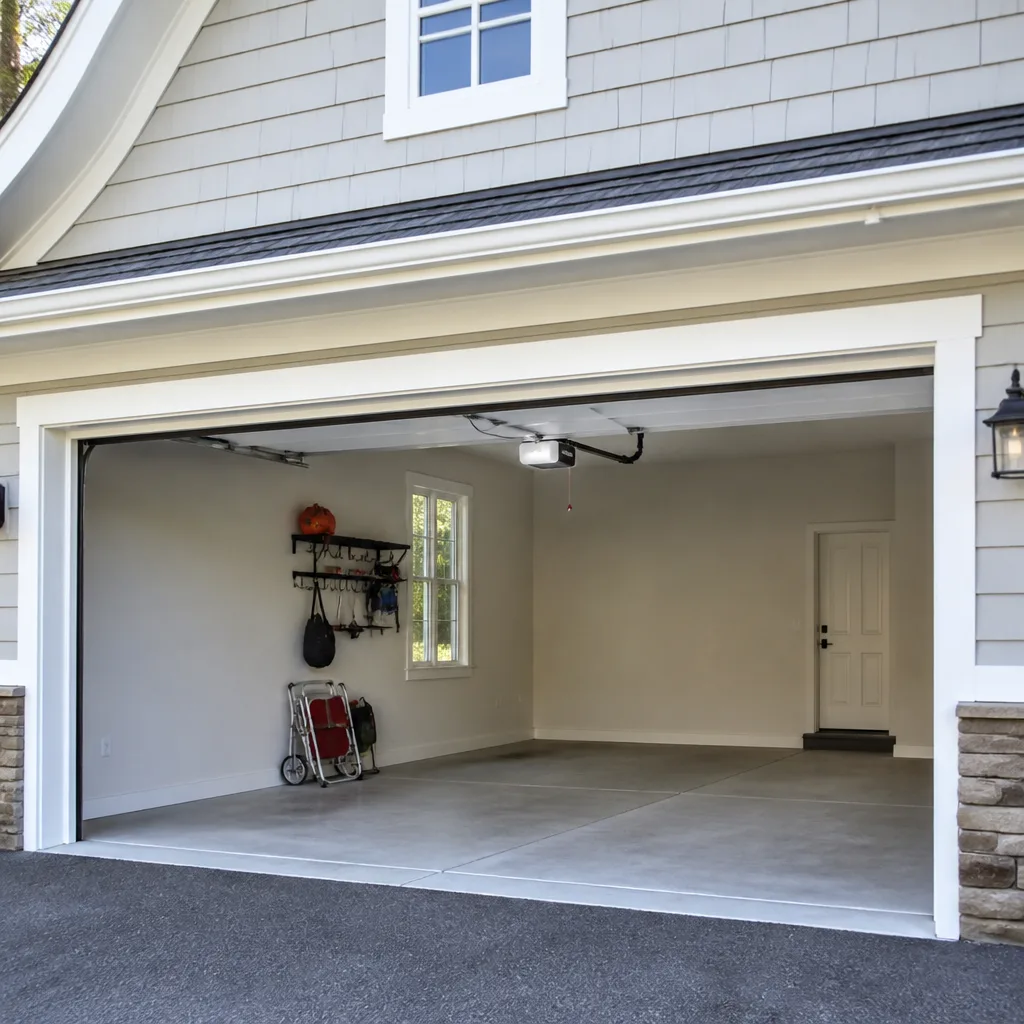 LiftMaster openers
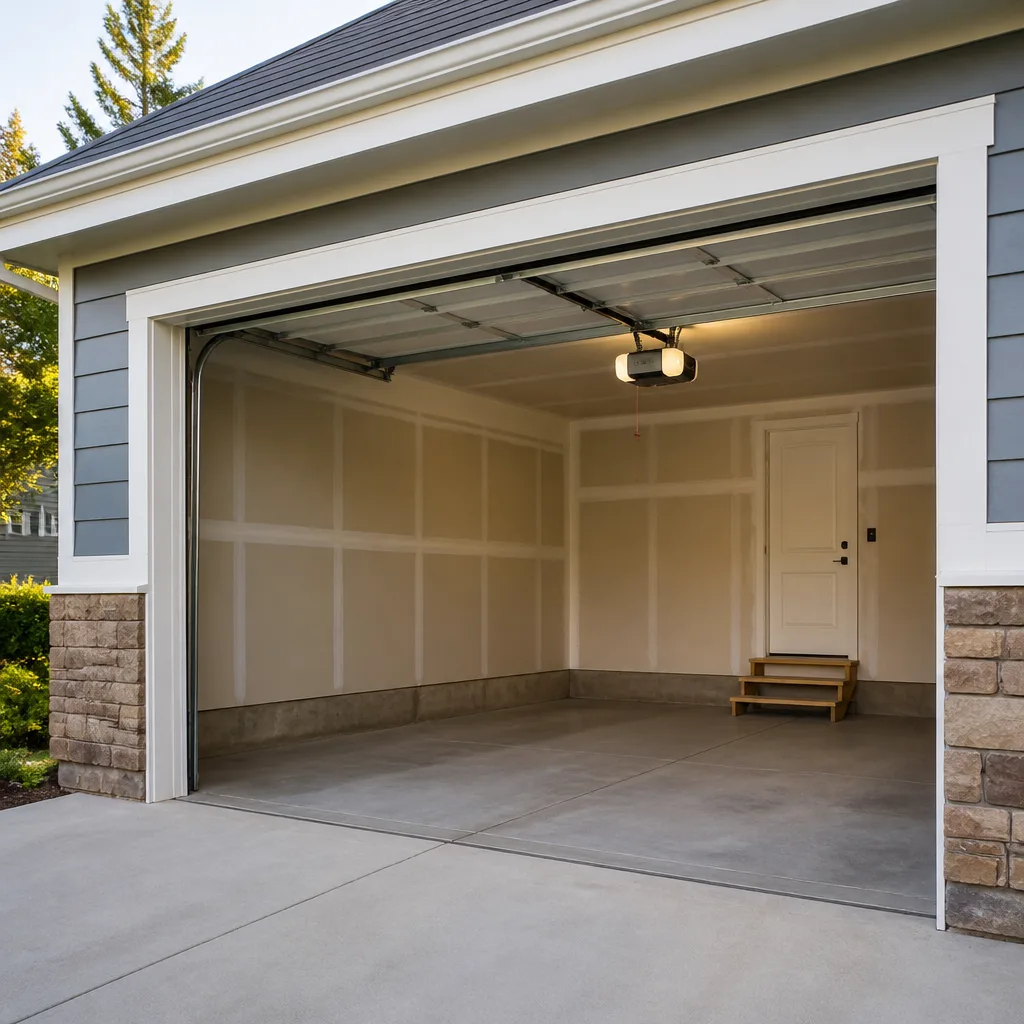 Chamberlain openers
Full 25-point door and opener safety check with every visit - springs, cables, rollers, tracks, and your LiftMaster or Chamberlain opener included
You get a price before we start. It does not change when the pro arrives.
Get your free estimateThe Complete Guide to Garage Doors in Plainfield
Plainfield sits in USDA Hardiness Zone 5b, and that single fact changes almost every garage door decision a homeowner here will make. The freeze-thaw cycles of a northern Illinois winter work on panel material, paint, and hardware in a way that generic buying guides – written for a national audience with a national average climate – never account for. A door that holds up fine in a mild market can start failing within a few winters here if it’s the wrong material or the wrong insulation for an attached garage that borders living space. We put this guide together to translate the big garage door decisions through the lens of actually living in Plainfield: the climate, the HOA covenants common across Will County, the housing styles you see on most streets, and the opener specs that most homeowners skip until a motor burns out early. Read on and you’ll know what to buy, what to skip, and when to call.
Quick Answer
For most Plainfield homes, an insulated steel door in the $1,200 – $3,500 installed range is the right call – it handles Zone 5b freeze-thaw better than wood composites, satisfies typical HOA color rules, and pairs cleanly with modern openers. Match door weight class to opener type before you buy, check your HOA covenants before you order, and remember that R-value numbers on a box mean less than a properly sealed, correctly sized door. Repair and spring work usually runs $150 – $650 depending on the part, and installation is measured, ordered, and scheduled rather than same-day.
Styles & brands we work with
- Raised-panel steel
- Carriage house
- Modern flush
- Full-view glass
- LiftMaster openers
- Chamberlain openers
Table of Contents
- Why Plainfield’s Climate Narrows Your Material Choices
- What Will County HOA Covenants Restrict on Garage Doors
- R-Value Marketing vs. Real Thermal Performance
- Matching Door Style to Plainfield’s Dominant Builds
- Pairing Openers to Your Door’s Weight Class
- What Garage Door Work Costs in Plainfield
- Seasonal Maintenance for a Plainfield Door
- Common Mistakes to Avoid
- When to Call a Professional
Why Plainfield’s Climate Narrows Your Material Choices
Zone 5b means winter lows that regularly fall below zero, followed by daytime thaws that melt snow and refreeze it overnight. That cycle repeats dozens of times each winter, and it’s brutal on certain door materials. Wood and wood-composite doors absorb moisture at the seams, swell, then contract as they dry – and after enough seasons the paint film cracks, the panel edges cup, and you’re looking at refinishing or replacement far sooner than the showroom promised. We’ve watched the wrong panel material degrade in Plainfield within three winters. The material you choose isn’t a style decision here; it’s a durability decision first.
Here’s how the main materials hold up in a Plainfield garage:
- Insulated steel: The workhorse choice for this climate. Steel skins don’t absorb moisture, handle freeze-thaw well, and hold paint. The weak point is the bottom edge, where road salt and meltwater pool – keep that section clean and the door lasts.
- Fiberglass: Light and rust-proof, a good fit for humid Plainfield summers. Less rigid than steel, so it needs a well-tuned opener and balanced springs to avoid stress cracks.
- Wood and wood composites: Beautiful, and the wrong answer for most attached garages here unless you’re committed to annual sealing and refinishing. The climate works against them every season.
- Aluminum: Rust-resistant and lightweight, common on full-view doors. Fine for a protected opening, less forgiving of a poorly sealed one where ice builds at the threshold.
The short version: steel and fiberglass are the sensible defaults in Plainfield. Wood is a choice you make with eyes open about maintenance, not a set-and-forget option.
What Will County HOA Covenants Commonly Restrict on Garage Doors
Before you order a door, read your HOA covenants – not after. Plainfield and the surrounding Will County subdivisions commonly restrict garage door color, panel style, window presence, and sometimes material, and a door installed against the covenants can mean removing it. The rules vary by subdivision, so the only reliable source is your own HOA documents or a quick call to the management company. We can’t tell you what your specific HOA allows, but we can tell you the categories that come up again and again:
- Color: Many covenants require a door color that matches or complements the home’s trim or siding palette. That often rules out high-contrast statement colors and pushes you toward a neutral that’s actually the safer buy.
- Panel style: Some associations restrict carriage-house or decorative window inserts, or require that replacement doors match the original builder spec.
- Windows: Clear versus obscure glass, and how many window sections are permitted, is a frequent sticking point.
- Material and finish: A few subdivisions specify no unfinished wood or require factory-painted finishes.
Run your chosen door past the HOA before you sign the order. Pull the covenant language, confirm the specific door model and color, and get approval in writing if your association requires it. It’s a ten-minute step that prevents an expensive redo. If you’re unsure what a covenant clause means in practical terms, ask before you buy – we’re glad to talk through what a given restriction usually translates to on a real door.
R-Value Marketing vs. Real Thermal Performance
R-value on a garage door box is a lab number measured under ideal conditions. Real thermal performance in a Plainfield garage is a system property: the door’s insulation, how well the perimeter seals, whether the panels are double-sided, and whether the garage is attached and buffering living space. An attached Plainfield garage is a climate buffer – it’s between the outdoors and your kitchen. A poorly sealed high-R door can underperform a moderately insulated door with good weatherstripping, because air leaks around the edges undo the insulation in the middle.
How to think about insulation for a Plainfield home:
- Attached garage, living space above or beside it: Insulated, double-sided door with a decent R-value and a full perimeter seal. This is where insulation earns its keep, especially in a sub-zero January.
- Detached garage, storage only: A non-insulated or lightly insulated door is often enough. You’re protecting the door and the car, not a heated room.
- Garage you actually use as a workspace or gym: Insulation plus a well-sealed threshold and jamb matters more than chasing the highest R number on the market.
- The seal is half the job: Bottom weatherstrip, jamb seals, and a threshold that sits flat on the slab. Replace worn seals; they’re inexpensive and they’re where most heat loss actually happens.
Ask what’s included in the quoted R-value: is it the center of the panel, the whole door, or the assembly? And check the seal before you pay extra for more insulation – a tight, correctly installed door in Plainfield usually beats a mismatched one with a bigger number printed on it.
Matching Door Style to Plainfield’s Dominant Builds
Plainfield’s housing stock leans heavily toward craftsman, colonial, and suburban ranch builds, and the door style that fits each one is fairly settled. You don’t need a custom door to look right – you need the right stock profile for the architecture. Here’s how the matchups usually go:
- Craftsman: A recessed-panel or short-panel door in a warm neutral, often with a row of small square windows across the top. The proportions are what sell it – panel height should relate to the home’s siding and trim lines.
- Colonial: A raised-panel or carriage-house style with symmetry. Windows in the top section are common here, and the door reads as part of the facade rather than an afterthought.
- Suburban ranch: A clean, low-profile panel door – long horizontal sections, minimal ornament, often no windows. Simplicity looks intentional on a ranch and busy looks out of place.
The overspending trap is assuming custom means better. On most Plainfield streets a well-chosen stock profile in the right color and window configuration reads as high-end, and it costs a fraction of a custom build. Spend your budget on insulation and a proper install instead of one-off panel geometry. The door that fits the house beats the door that’s trying to be a feature.
Pairing Openers to Your Door’s Weight Class
This is the spec most homeowners skip, and it’s the one that shortens opener life. A door’s weight class – determined by material, insulation, and size – dictates the opener’s lifting capacity and drive type. Put a light-duty opener on a heavy insulated steel door and the motor works harder on every cycle, runs hotter, and fails earlier. Get the pairing right and the opener lasts. We work on the brand already in your garage – LiftMaster, Chamberlain, Genie, Craftsman, Wayne Dalton and others – so we’re matching the opener to the door, not guessing.
Rough pairing guidance by door type:
- Single-car, non-insulated steel: A standard belt or chain drive in the 1/2-horsepower class usually handles it. Belt drive is quieter if the garage is under or beside a bedroom.
- Double-car, insulated steel: Step up to a 3/4-horsepower or equivalent drive. This is where a light-duty unit starts to struggle.
- Heavy carriage-house or wood doors: A high-capacity drive, often with a battery backup, and a torsion system sized for the weight. Belt drive for quiet operation if noise matters.
- Smart-home setups: LiftMaster with myQ and Chamberlain’s connected units are the modern standard. Legacy Craftsman and Genie units still run millions of homes and are repairable – you don’t have to replace a working opener just to get app control if a compatible accessory will do it.
Before you buy an opener, know your door’s actual weight class. If you don’t, a technician can confirm it in minutes – and that confirmation is cheaper than a premature motor replacement. For issues with an existing unit, garage door opener repair covers the diagnosis and fix.
What Garage Door Work Costs in Plainfield
Plainfield garage door pricing follows the Will County market rather than a national average, and the ranges below are typical estimates, not fixed quotes. The written estimate you get after we see the door sets the final price, and the price is quoted and agreed before any work starts. Here’s the line-item picture:
| Service | Typical cost range (installed) |
|---|---|
| Single torsion or extension spring replacement | $180 – $340 per spring (a matched pair is usually replaced together, so roughly double) |
| Opener repair (board, gear, sensor) | $150 – $400 |
| New opener installation | $350 – $800 |
| Cable, roller, or hinge replacement | $150 – $450 |
| Panel replacement | $250 – $900 per section |
| New insulated steel door, installed | $1,200 – $3,500 |
| New carriage-house or premium door, installed | $2,500 – $6,000+ |
Two things drive the number more than anything else: door weight and what’s actually broken. A single torsion spring is one line item; a matched pair replaced together is about twice that, and we’ll tell you which your door needs. A basic opener swap is straightforward; a heavy door with a failed motor and a bent track is a different job. None of it is a surprise if it’s quoted first – that’s the point of the written estimate. Always ask what the price includes: haul-away of the old door, new springs or reused hardware, and whether the opener and door are quoted together or separately.
Seasonal Maintenance for a Plainfield Door
The freeze-thaw cycle that defines a Plainfield winter is also what wears a door down fastest, so maintenance here is mostly about moisture and cold. A few minutes a season goes a long way:
- Fall, before the first hard freeze: Test the door’s balance by disconnecting the opener and lifting it halfway. If it won’t hold, the springs are tired and should be checked before winter loads them further.
- Check the bottom seal: Look for cracks, missing sections, or a seal that no longer meets the slab. Meltwater and road salt pool at that edge; a worn seal lets them in.
- Lubricate moving parts: Rollers, hinges, and the opener’s chain or belt get a proper door lubricant, not grease. This is a homeowner-safe task.
- Clear snow and ice from the threshold: Don’t let ice build up under the door. A door forced over an ice ridge puts strain on the opener and the panels.
- Spring and summer: Wash the door and touch up any chipped paint or scratches on steel. Left alone, a chip becomes rust, and rust travels along a panel edge.
- Annual pro check: Have a technician inspect springs, cables, and the torsion system once a year. These are the parts you shouldn’t inspect closely yourself – see the safety note below.
Common Mistakes to Avoid
- Buying a door without reading the HOA covenant first. Plainfield subdivision rules often control color and style. Confirm your choice in writing before you order, or you may be removing a new door.
- Choosing wood because it’s on the display floor. Wood composites look great and fight the Zone 5b climate. Factor in annual refinishing, or pick steel or fiberglass.
- Chasing the highest R-value on the label. A high-R door with bad seals underperforms a moderately insulated door that’s sealed properly. Check the seals first.
- Putting a light-duty opener on a heavy door. The mismatch is the most common reason an opener fails early – confirm the door’s weight class before you buy.
- Attempting a spring or cable repair yourself. Torsion and extension springs are under extreme tension. This is the one part of the system to leave to a trained technician – it’s a genuinely dangerous job.
- Skipping the balance test until the door fails. A door that won’t hold halfway is telling you the springs are worn. Catch it in fall and you may avoid a mid-winter emergency.
- Assuming custom equals better. On most Plainfield homes a well-chosen stock profile in the right color looks right and costs less than a custom build.
When to Call a Professional
Some jobs are safe to handle yourself: lubricating rollers, replacing a bottom seal, touching up paint, and resetting a tripped opener breaker. The moment the problem touches springs, cables, torsion hardware, or the electrical side of an opener, it’s time to call. A broken spring, a door that won’t open or close evenly, a cable that’s come off its drum, a door that’s dropped off one side, or an opener that hums but won’t lift – those are all cases where a trained technician should diagnose before anything is touched. The spring system stores enormous force, and the only safe way to work on it is with the door secured and the right tools. When the door won’t move, we move fast: Garage Door Repair Plainfield Pros offers free estimates in Plainfield – call (877) 792-6208, and we’ll get a technician out to look at it.
See the difference
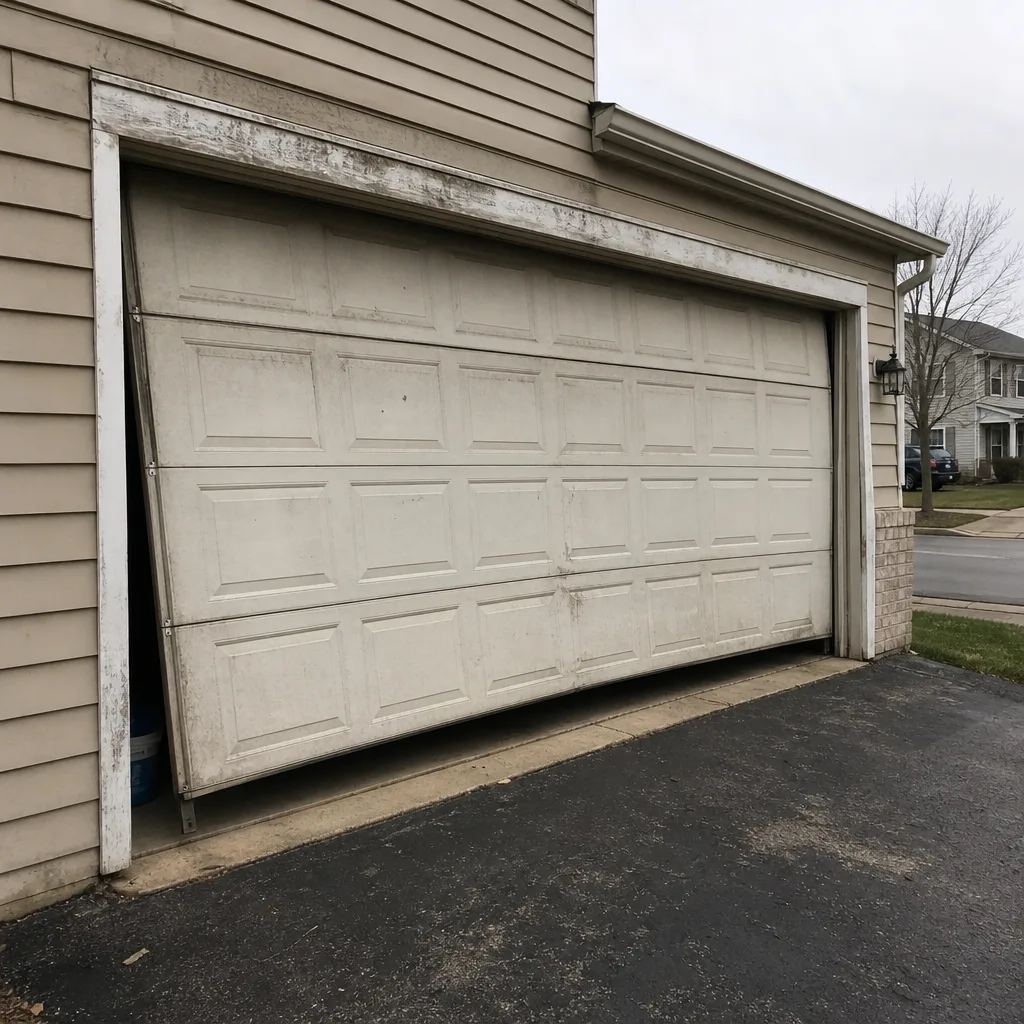 Before
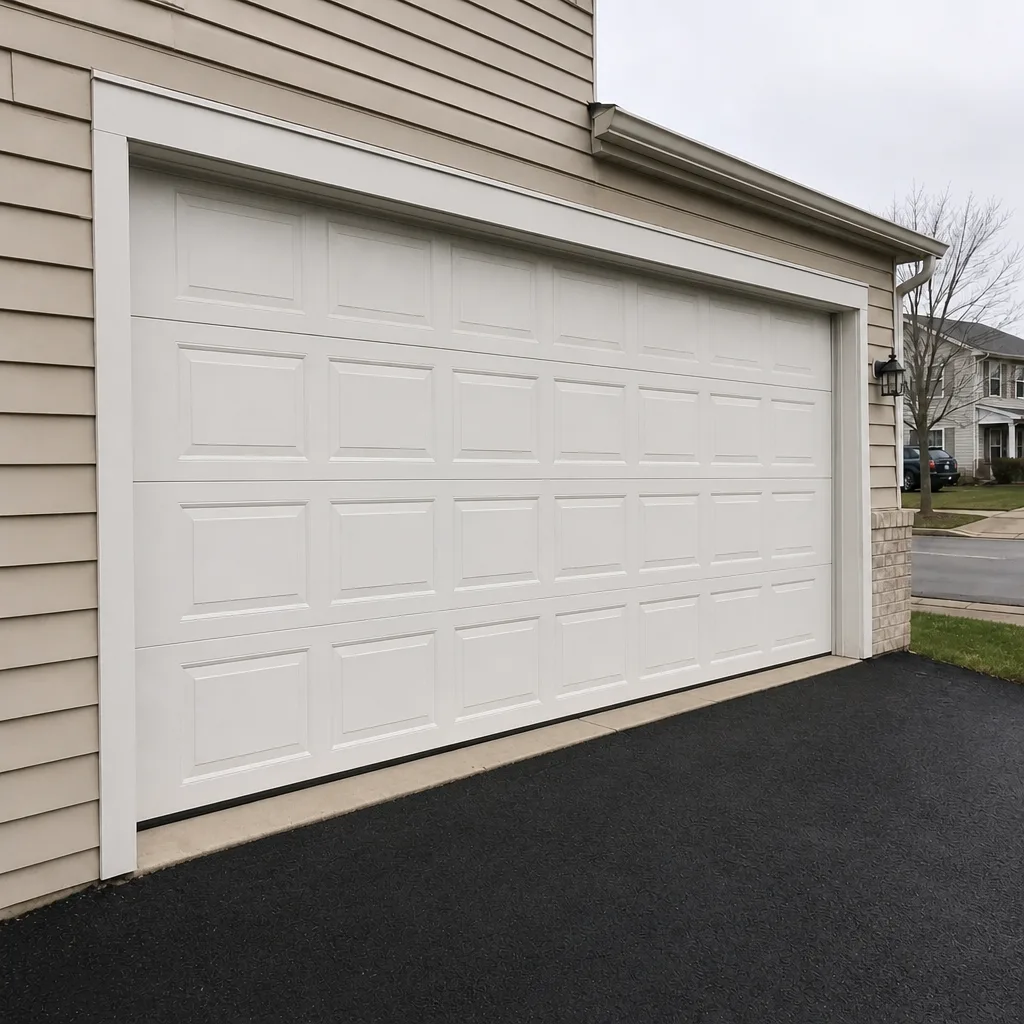 After
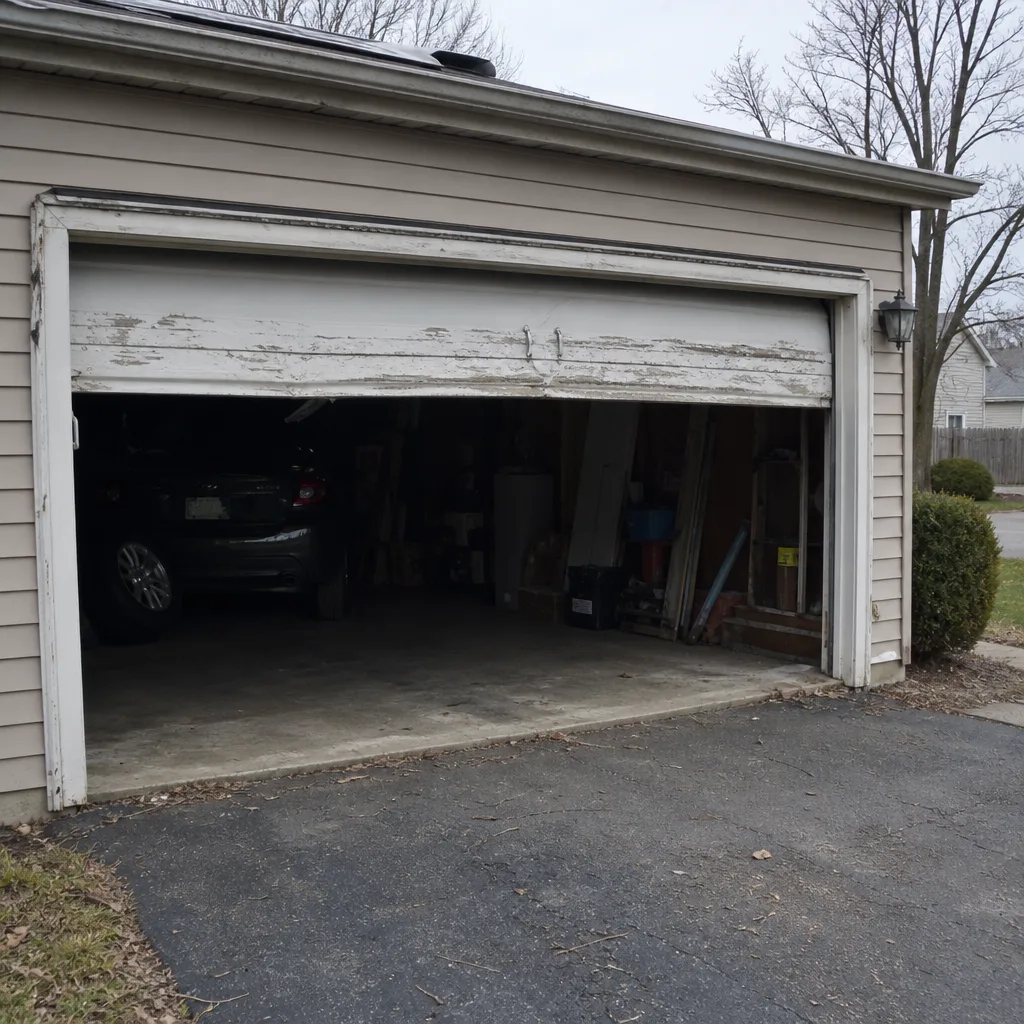 Before
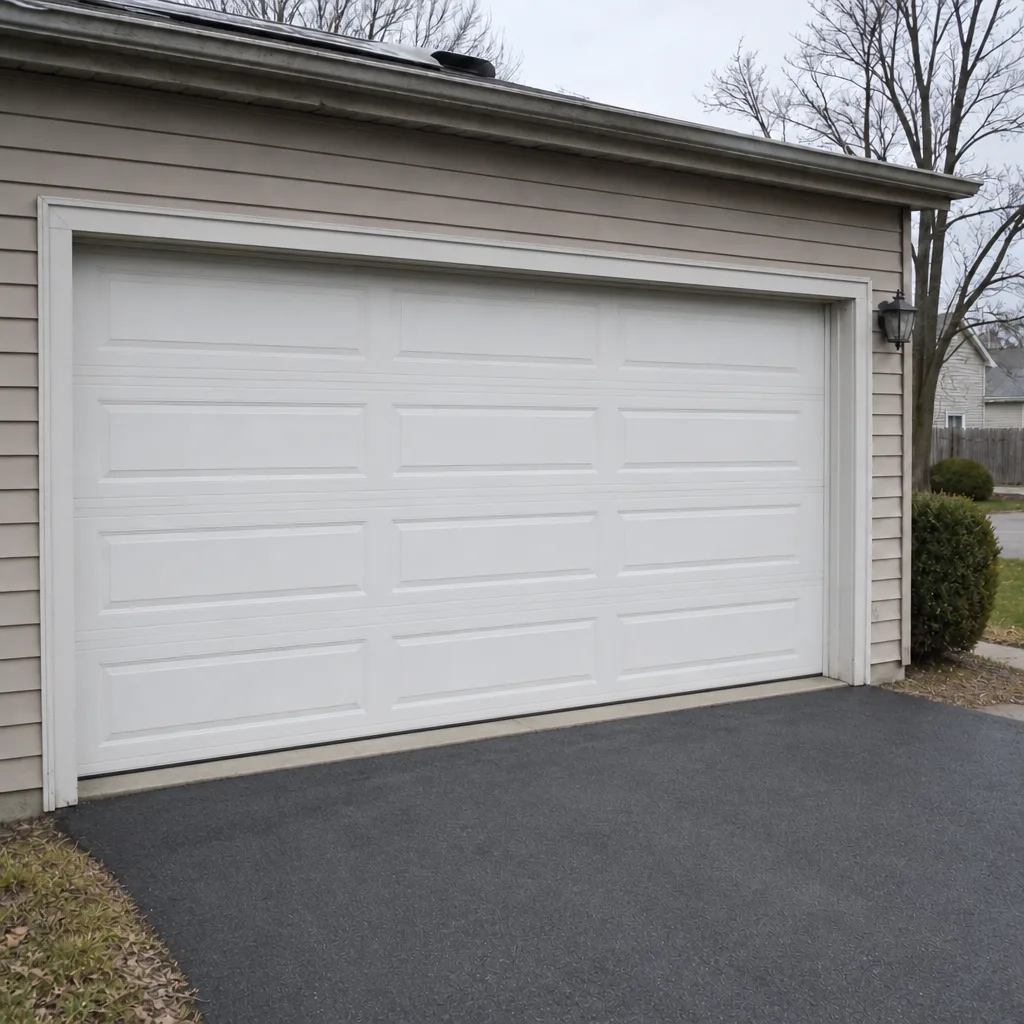 After
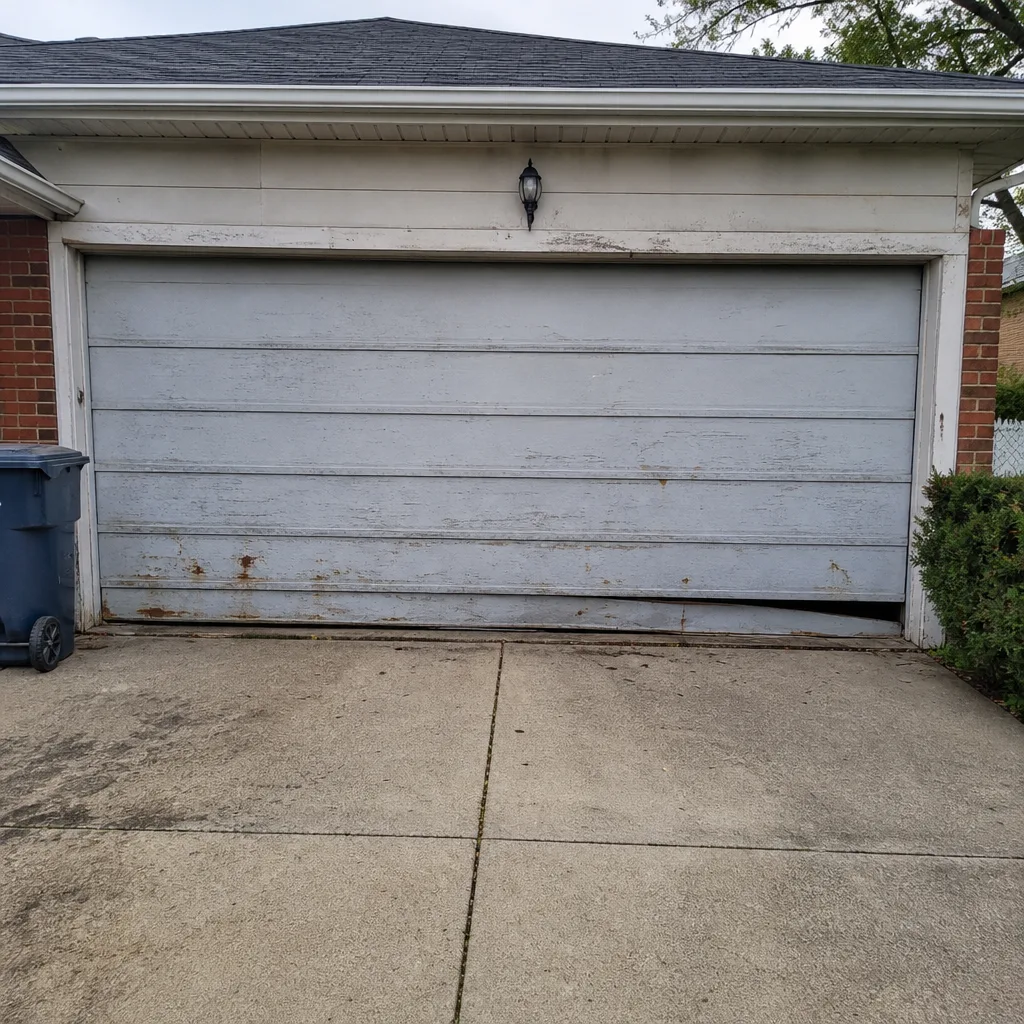 Before
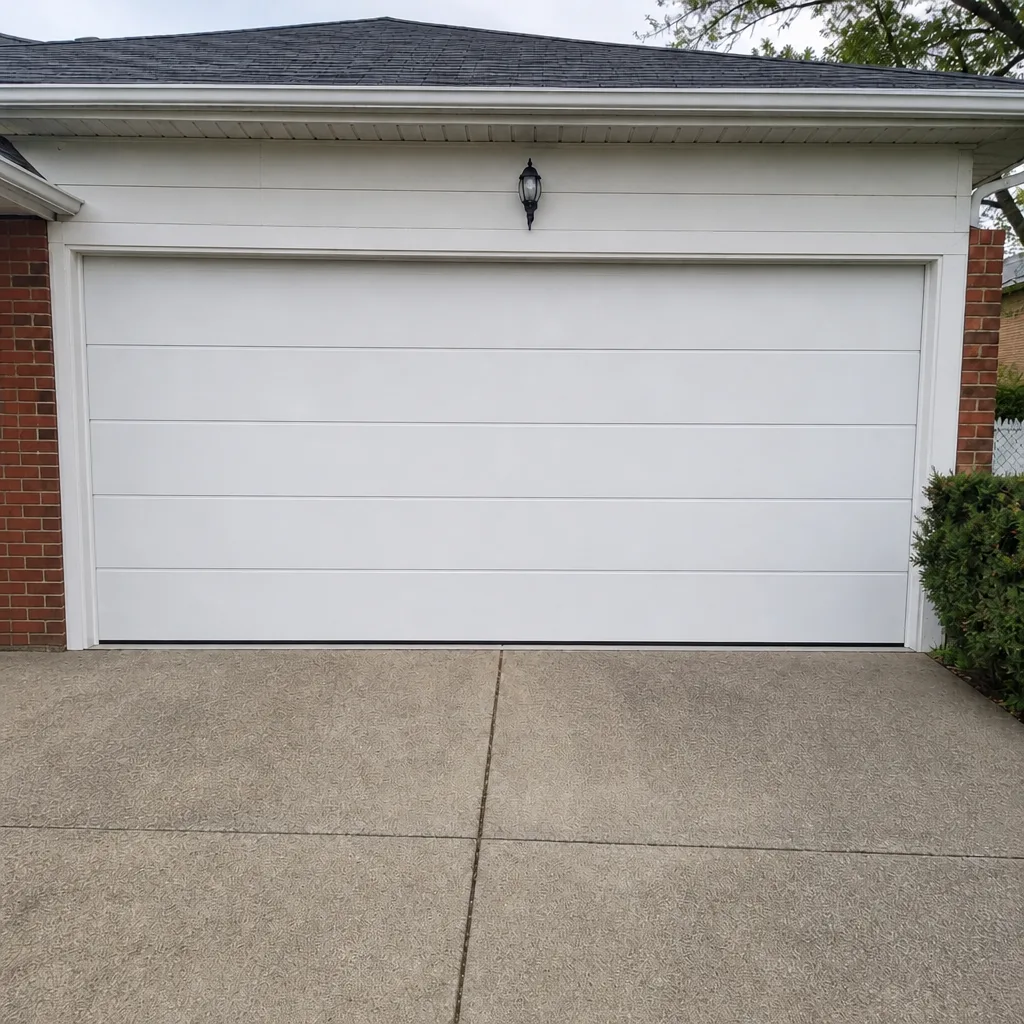 After
Frequently Asked Questions
For most Plainfield homes, an insulated steel door is the best all-around choice – it handles the Zone 5b freeze-thaw cycle better than wood composites, holds paint, and satisfies typical HOA color and style rules. Fiberglass is a solid alternative for humid summers. Wood works only if you’re committed to annual sealing and refinishing. Call (877) 792-6208 for an exact quote – estimates are free.
Most garage door repairs in Plainfield run $150 – $650 depending on the part: a single spring is typically $180 – $340 (a matched pair is about twice that because they’re replaced together), and opener repairs run $150 – $400. The written estimate sets the final price, and the price is quoted and agreed before any work starts. Call (877) 792-6208 for an exact quote – estimates are free.
Usually yes – check your Will County subdivision’s covenants before you order. Many Plainfield HOAs restrict door color, panel style, window configuration, and sometimes material, and rules vary by subdivision. The only reliable answer is your own HOA documents, so confirm your chosen door in writing before you sign the order.
Emergency garage door service is a core offering, so call and we’ll work to get a technician out to you – a stuck or broken door is not a wait-until-next-week problem. Emergency work is same-day wherever it’s possible. Call (877) 792-6208 and tell us what the door is doing.
No – the quote we give you is the price. We look at the door, diagnose what’s actually wrong, and give you a written estimate before any work starts. If something unexpected turns up during the job, we tell you and get your agreement before continuing. You won’t get an invoice bigger than the quote.
The local professional who comes to your door is licensed and insured as their state requires. Our technicians have up to 8 years of experience and are familiar with the brands already in your garage – LiftMaster, Chamberlain, Genie, Clopay, Amarr, Wayne Dalton, Craftsman, and Raynor. Call (877) 792-6208 for a free estimate.
The Bottom Line
Plainfield’s climate, its Will County HOA covenants, and its dominant craftsman, colonial, and ranch housing stock all point to the same sensible decisions: insulated steel or fiberglass over wood, a stock profile in the right color rather than a custom spend, seals checked before you chase R-value, and an opener matched to the door’s weight class. Check your HOA before you buy, run the balance test each fall, and leave springs and cables to a trained technician. Get those basics right and the door will last. For repair, spring work, opener service, or a measured install with a written price, Garage Door Repair Plainfield Pros is one call for the whole system – get in touch for a free estimate.
Contact
Whether you need garage door repair, spring work, opener service, or a full installation, one call covers diagnosis through completion. Spring work is safety-critical; if a spring has broken, treat it as a job for a technician and keep hands off the torsion system. For dedicated garage door spring repair, we offer a free estimate and a written price before any work starts. Call (877) 792-6208 today for a free estimate and a written price on your Plainfield garage door.
Written by the team at Garage Door Repair Plainfield Pros.