Last updated November 22, 2026
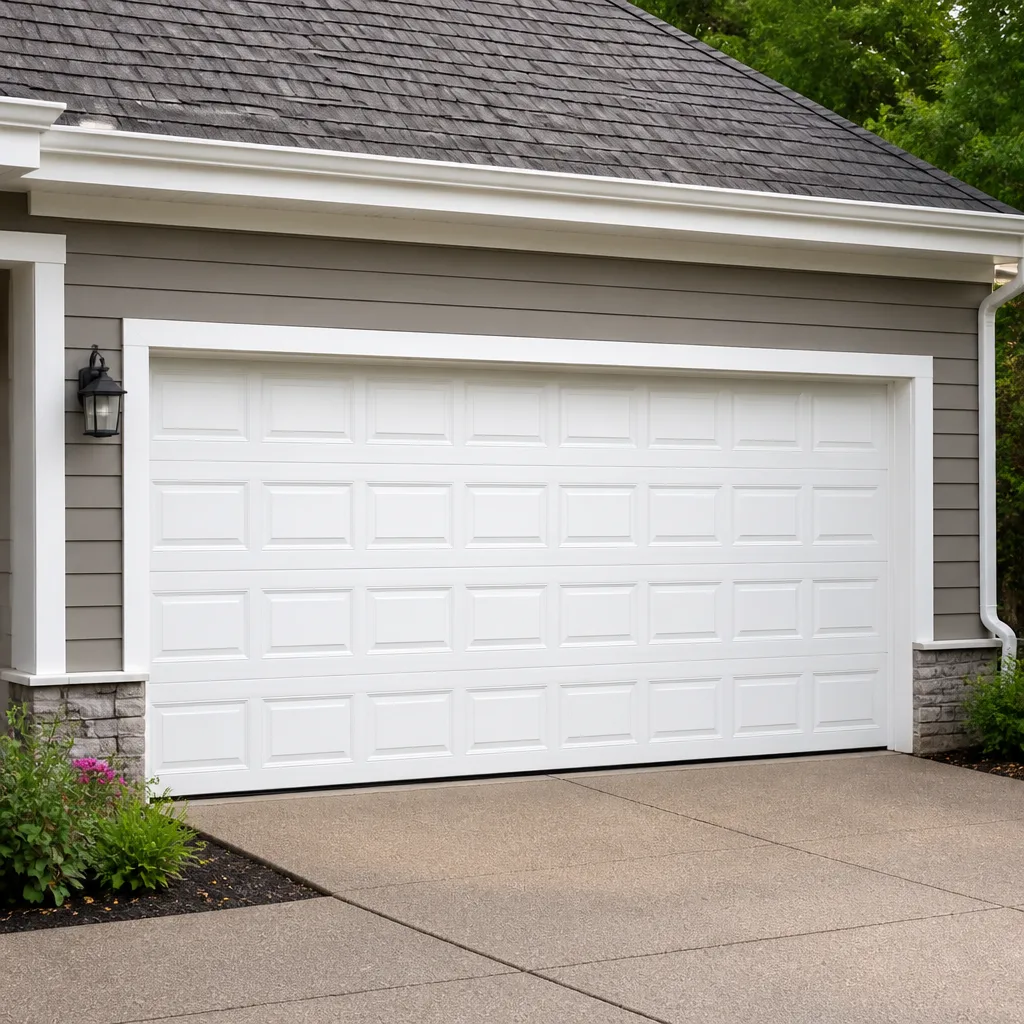 Raised-panel steel
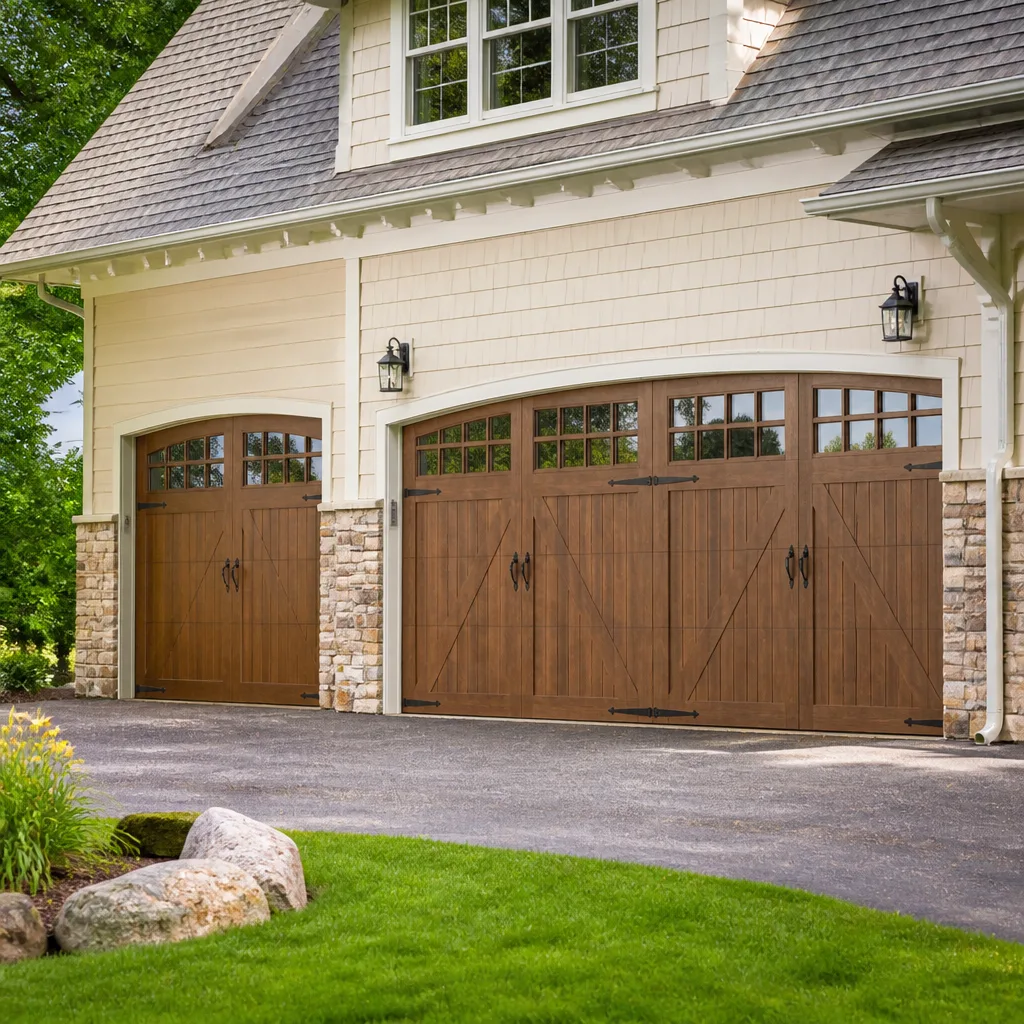 Carriage house
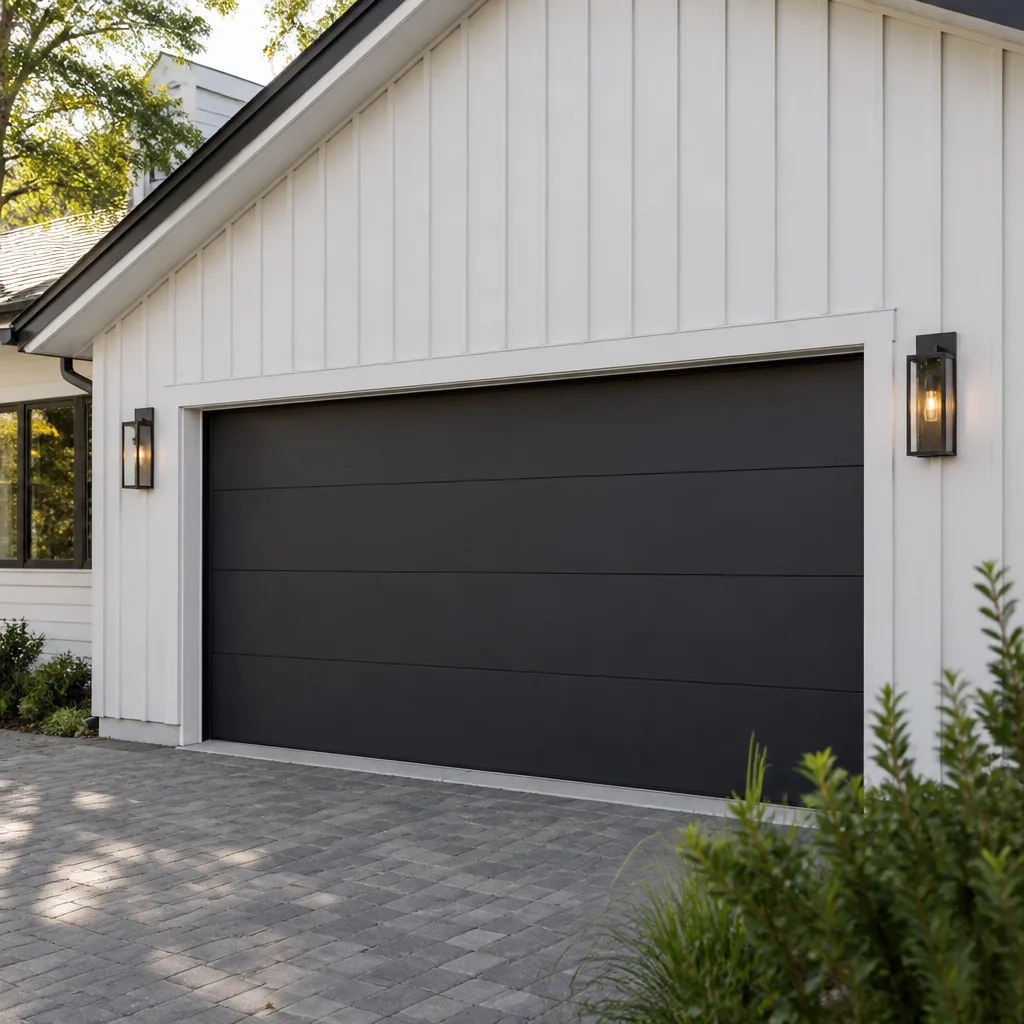 Modern flush
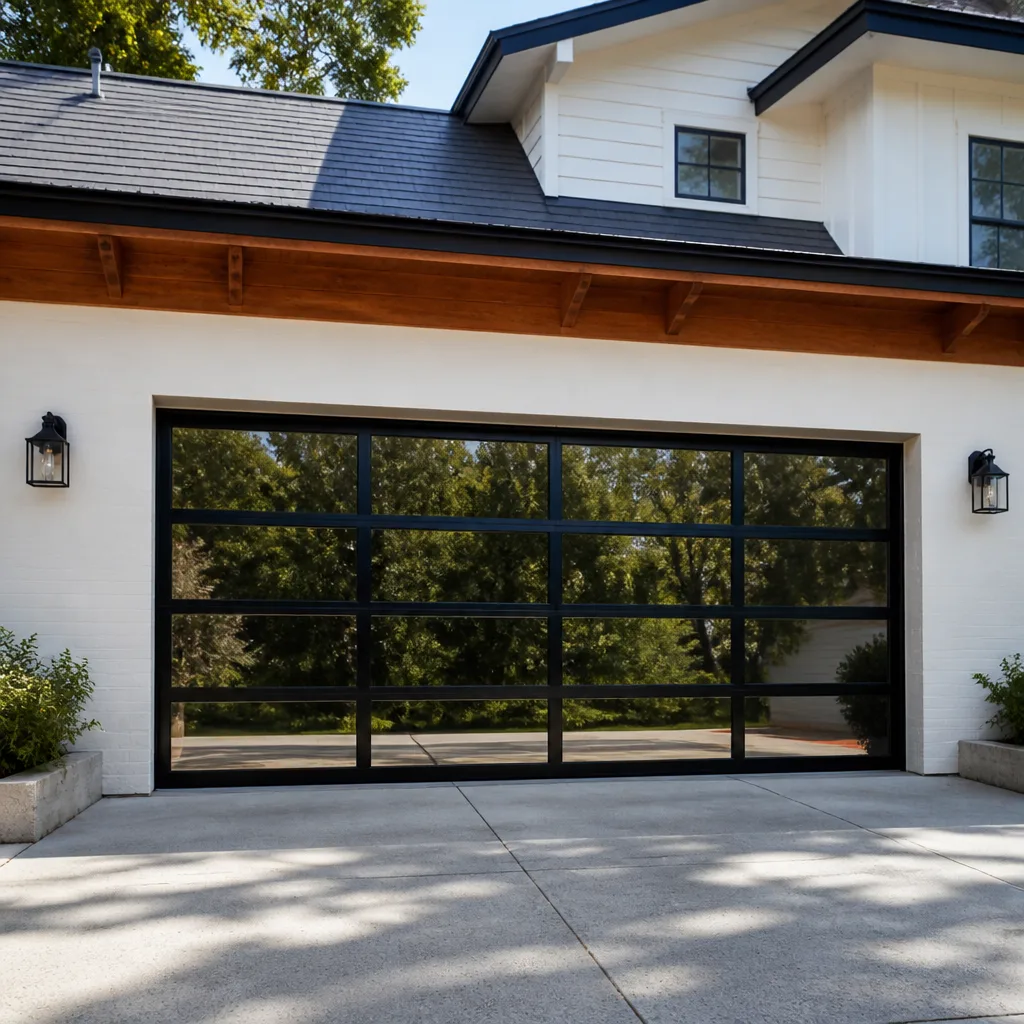 Full-view glass
 LiftMaster openers
 Chamberlain openers
Full 25-point door and opener safety check with every visit - springs, cables, rollers, tracks, and your LiftMaster or Chamberlain opener included
You get a price before we start. It does not change when the pro arrives.
Get your free estimateGarage Door Emergency Preparedness Guide for Plainfield Homes
Most homeowners treat a broken garage door as an inconvenience to deal with when it happens. That’s the mistake. The door that fails during a cold snap, a windstorm, or a routine morning departure almost never fails on a convenient schedule, and the people who get through it fastest are the ones who thought about it in advance. A few small habits and one inexpensive piece of hardware make the difference between a ten-minute fix and a door you can’t move, a car you can’t free, and a house left open. This guide walks Plainfield homeowners through the mechanics, the decision tree, and the prep work that turns a crisis into a minor errand. We’ll cover what the emergency release cord actually does, how to disengage an opener safely, how to secure an open door in a Plainfield winter, and exactly when to call versus when to wait.
Quick Answer
A garage door emergency plan comes down to three things: knowing where your emergency release cord is and what it does, owning a small hardware kit (an emergency release key, a manual lock bar, spare rollers) that costs under $40, and knowing the specific situations that require a call to a trained technician rather than a fix you attempt yourself. If the door won’t move, the opener won’t respond, or a spring or cable has snapped, that’s a call. For a stuck door after a power failure, the manual release is often all you need.
Styles & brands we work with
- Raised-panel steel
- Carriage house
- Modern flush
- Full-view glass
- LiftMaster openers
- Chamberlain openers
Table of Contents
- Understanding the Three Things That Actually Fail
- The Emergency Release Cord: What It Does and When Pulling It Is Dangerous
- How to Disengage Your Opener During a Power Outage
- The $40 Pre-Emergency Hardware Kit Every Plainfield Homeowner Should Own
- Securing an Open Door in Plainfield Winter Without Damaging the Tracks
- When to Call a Professional vs. When to Wait
- What Information to Have Ready When You Call
- Common Mistakes to Avoid
Understanding the Three Things That Actually Fail
Garage door systems fail in predictable ways. When you understand which component is responsible, you can diagnose a problem in a few seconds and make a better decision about whether to wait or call. In our experience across Plainfield garage door repair jobs, nearly every emergency falls into one of these categories.
1. Springs
These are the counterweight. A torsion spring sits above the door on a horizontal bar; extension springs run parallel to the horizontal tracks. Both store enormous mechanical energy and release it to lift the door. When a spring breaks, the door becomes dead weight, sometimes 150 to 250 pounds of it. This is the single most dangerous failure mode, and it’s the one repair we never recommend a homeowner attempt. Spring work is a trained-technician job, and our garage door spring repair service exists precisely because too many people try and get hurt.
2. Cables
Cables connect the door to the spring energy and run along the side tracks. A frayed or snapped cable will leave the door limp and dangerous to move. Like springs, cable repair is a high-tension job.
3. The Opener
The motor unit drives the door up and down through a belt, chain, or screw drive. Opener failures range from a dead remote or a misaligned safety sensor to a stripped gear or a failed logic board. Some are DIY; many need a technician who knows the specific system in your driveway. We’re factory-familiar with LiftMaster and Chamberlain units and their myQ smart-home ecosystem, and just as comfortable with older Craftsman and Raynor systems still running strong in Plainfield homes. If you’re weighing whether a repair or full replacement makes more sense, our garage door opener repair page covers the decision.
Everything else – the panels, the rollers, the hinges, the weather stripping – fails more gradually and rarely creates an emergency. The three above are what you’re planning for.
The Emergency Release Cord: What It Does and When Pulling It Is Dangerous
The emergency release cord is the red-handled rope hanging from the trolley that rides on the opener’s rail. Pulling it disconnects the door from the opener’s drive mechanism, which allows you to lift a door that the motor can’t move on its own. It’s the tool you’ll reach for during a power outage, a dead motor, or a stuck door.
What it does not do is disarm the door’s weight. Once that release is pulled, the door is under the springs’ tension alone. That is a critical distinction, and it’s where people get hurt.
When Pulling the Cord Is Safe
- The door is fully closed.
- You’re standing clear of the door’s path and well outside the frame.
- No one is standing under or beside the door.
- You intend to lift the door by hand gently and only via the bottom section.
When Pulling the Cord Is Dangerous
- The door is partially open or stuck mid-travel. Pulling the cord releases the door’s tension control, and the door can slam down on a person, a car, or a pet. If the door is open and stuck, leave the cord alone and call.
- A spring or cable has snapped. The door is already in an unstable state. Pulling the release in this situation can send the door crashing.
- You cannot physically control the weight of the door. If you can’t lift it reliably by hand, don’t pull.
If you’re unsure which situation you’re in, treat it as the dangerous category. Call us at (877) 792-6208 before touching the cord.
How to Disengage Your Opener During a Power Outage
Plainfield sits square in the path of the northern Illinois storm corridor. Ice storms, high winds, summer thunderstorms, and the occasional February cold snap can knock power out for hours. A door stuck in the down position means a car you can’t move. A door stuck in the up position means a house left unsecured. Here’s the sequence.
- Verify the power is actually out. Check the opener’s wall switch and a nearby light. If the rest of the house has power and only the opener is dead, it’s the opener, not the grid – close the door manually if you can, then call.
- Locate the release cord. It hangs from the trolley on the rail. If you’ve never pulled it, test it once when the door is closed and the car is out – a fire drill, not a crisis.
- Confirm the door is fully closed. Never disengage a door that’s open or mid-travel.
- Pull the cord straight down firmly. You should feel the trolley disconnect. The door is now free of the motor.
- Lift the door by hand. Grab the bottom section in the center, lift slowly. It should move smoothly. If it lurches or feels heavier than usual, stop – a spring may be broken.
- Open the door only as far as needed. Get the car out, then close it by hand slowly, guiding it down.
The Common Mistake That Leaves the Door Unable to Re-Engage
When power returns, most people simply run the opener. That doesn’t work. Once the manual release has been pulled, the trolley is disconnected from the drive, and running the opener will only drive the trolley along the rail without moving the door. Some homeowners do this repeatedly, which can damage the opener’s gear.
To re-engage: pull the cord down once more to reset the release mechanism (some units do this automatically), then run the opener in one direction while standing inside. As the trolley passes the engagement point, it should snap back into the door’s arm. If it doesn’t, run the opener fully to one end of the rail and back. If it still won’t engage, stop – the carrier or the trolley is damaged, and it’s a job for a technician.
The $40 Pre-Emergency Hardware Kit Every Plainfield Homeowner Should Own
A handful of inexpensive parts prevents most of the emergencies we see on Plainfield service calls. Keep them in a labeled bag on a shelf near the door or in the utility drawer. Total outlay is under $40.
- Emergency release key (or lock-bar release kit). The single most overlooked piece. If your door has a manual lock bar or an older-style exterior handle, the release key lets you disconnect the door from outside during a power failure – without breaking in or calling a locksmith. It costs a few dollars and prevents an entire class of lockout.
- Manual lock bar. For homes without an opener, or for securing a disengaged door from the inside, a heavy steel bar that fits the side tracks keeps the door from being lifted during an outage.
- Spare rollers and a couple of hinge pins. Rollers wear and can break free from the track. A spare lets you get the door moving enough to call a technician.
- A flashlight and a small adjustable wrench. The flashlight is for finding the release cord in the dark. The wrench is for the manual lock bar and a quick visual inspection of the bolts.
- A written note with your door’s brand and model. Clopay, Amarr, and Wayne Dalton doors all have different panel and hardware designs. Knowing yours speeds up the call.
None of these items will repair a broken spring or a snapped cable. What they do is prevent a lockout or an unsecured home during the hours between when the problem happens and when a technician arrives.
Securing an Open Door in Plainfield Winter Without Damaging the Tracks
An open garage door in January is a serious problem. Wind-driven snow blows into the garage, temperatures inside drop toward the outside reading, and any pipe or appliance in an attached garage is exposed. But the way many people try to close a stuck door in the cold is worse than leaving it open.
- Never pry or force the door. Cold weather contracts metal and stiffens the rubber weather seal. Forcing a frozen door bends tracks and can snap a weakened spring.
- Check the tracks for ice first. If the door is stuck near the bottom and the tracks are visibly frosted, the door may be frozen to its seal, not broken. Warm the seal with a hair dryer on low from the inside – not a torch, not hot water.
- If the door can be lifted by hand, close it slowly. Once down, insert the manual lock bar or a heavy C-clamp on the inside tracks to prevent the door from being lifted from outside.
- If the door can’t be closed, secure the opening. A fitted piece of plywood braced against the inside frame is a temporary answer for the shortest possible time, and a call for help is a better one.
- Keep space heaters away from the door mechanism. Direct heat warps seals and can damage the opener’s electronic components.
Don’t run the opener repeatedly hoping to break ice. The motor will strain, the gear will wear, and the door still won’t move. If a door is frozen shut, our garage door repair service handles it as a routine call.
When to Call a Professional vs. When to Wait
Not every failure is an emergency. Some can wait for a scheduled visit; others shouldn’t be touched. The line is clear.
Call Now (Emergency Service)
- A spring or cable has snapped. The door may be unstable and dangerous.
- The door is stuck open and can’t be secured.
- The door is stuck closed and a vehicle or exit is blocked.
- The door came off the track or is visibly crooked.
- You’ve disengaged the release and now the door won’t re-engage with the opener.
- You hear a loud bang from the garage and the door won’t lift.
Schedule a Non-Emergency Visit
- One opener remote doesn’t work.
- The safety sensor flickers or complains (try cleaning the lens first).
- The door reverses occasionally but still moves.
- The door is noisy or squeaks.
- The weather seal is worn or the door has a visible gap at the bottom.
Wait It Out
- A slight delay or groaning sound that resolves itself on the next cycle. Note it and mention it next time you have the door serviced.
For any spring or cable failure, do not attempt the repair. A torsion spring stores enough energy to cause severe injury. The safe path is a trained technician with the right tools and tension rods. Call (877) 792-6208 and we’ll connect you with a licensed, insured local pro. Estimates are free, and the price is agreed before any work starts.
What Information to Have Ready When You Call
A dispatcher needs a few specifics to prioritize your call and send the right technician. Having these ready cuts the call in half and can put you higher in the queue. If you’ve built the prep kit above, most of this is already on a note.
- The door’s brand and model (if you know it) – Clopay, Amarr, Wayne Dalton, and others have different track and hardware designs.
- The opener’s brand and model – LiftMaster, Chamberlain, Craftsman, Genie, and Raynor all have distinct diagnostics and parts.
- What happened – the sound (a bang, a snap, a grind), the state of the door (up, down, mid-travel), and whether any lights on the opener are blinking a specific pattern.
- Whether you can get a car in or out – determines whether you’re an emergency or can wait.
- Whether the door is secured – if the door is open and can’t be closed, say so.
- Your address and access details – gate codes, parking, pets.
Blinking opener lights are the system’s error code. On a LiftMaster or Chamberlain myQ unit, the number of blinks usually points to the failing component. That single detail can save a technician ten minutes on arrival.
Common Mistakes to Avoid
- Pulling the emergency release while the door is open. The single most dangerous mistake. The door can slam down on a person or vehicle. Only disengage a fully closed door.
- Assuming the door will re-engage on its own after a power outage. It won’t. Running the opener without re-engaging the trolley can damage the drive gear. Follow the reset sequence or call.
- Trying to adjust or replace a torsion spring. High-tension springs and cables are a trained-professional job. There’s no safe DIY version of spring repair.
- Forcing a frozen door in winter. Cold-weather contraction and ice build-up make the door brittle. Forcing it bends tracks. Plainfield’s freeze-thaw cycles punish a door where the tracks weren’t cleared.
- Running the opener repeatedly hoping it will catch. The motor strains, the gear strips, and the initial motor fault becomes a full opener replacement.
- Ignoring a blinking safety sensor. A misaligned or dusty sensor can make a door periodically stop mid-travel. Cleaning the lens with a soft cloth is usually the whole fix; ignoring it lives to strand you another day.
- Not having an emergency release key. If your opener fails with the door closed and you have no exterior release, you’re locked out of your own garage – and the fix costs a few dollars at the hardware store.
See the difference
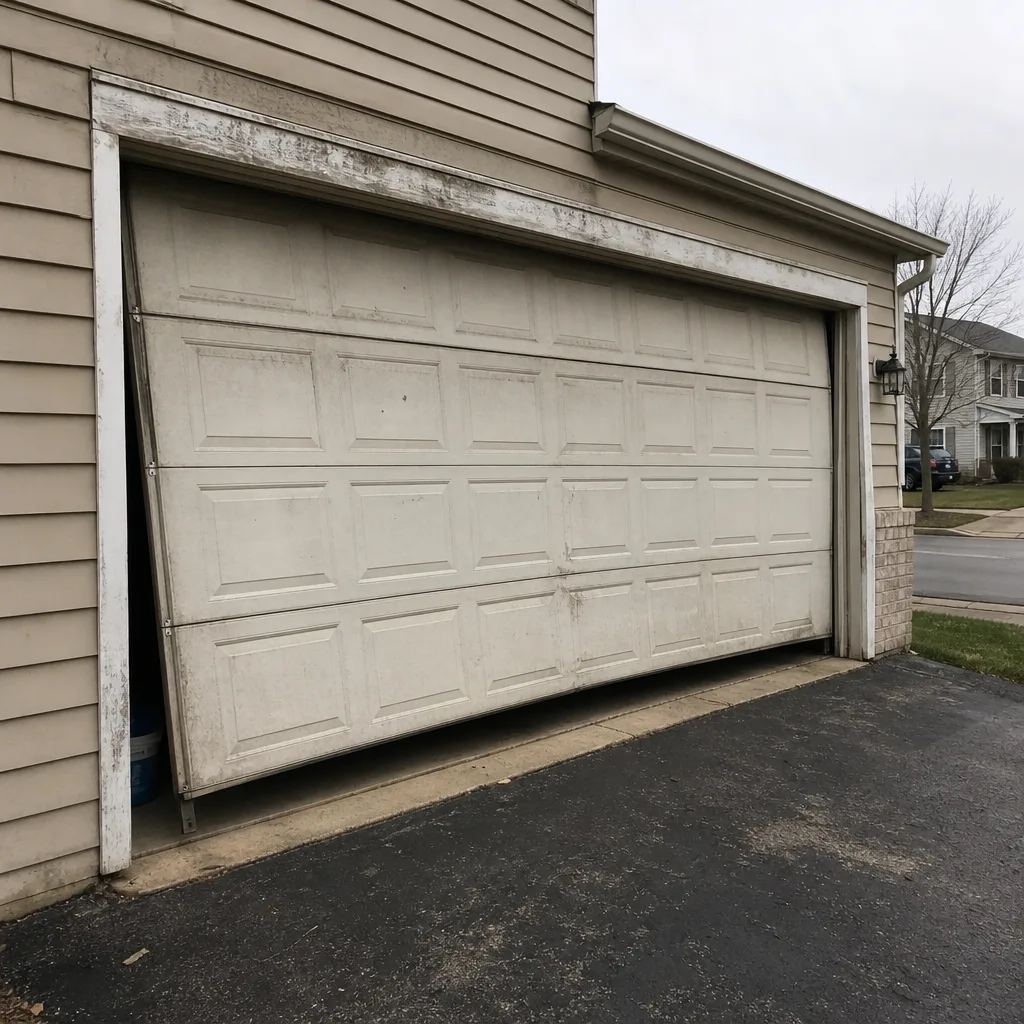 Before
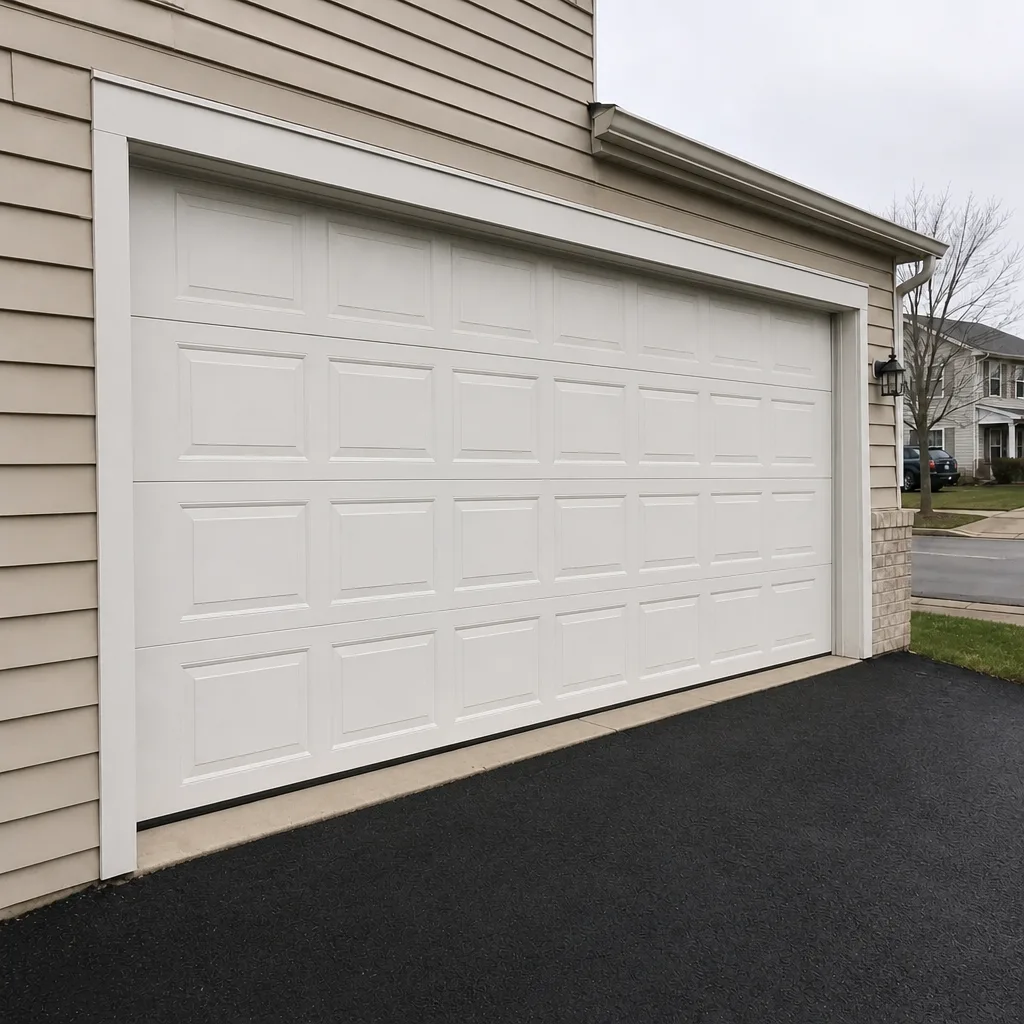 After
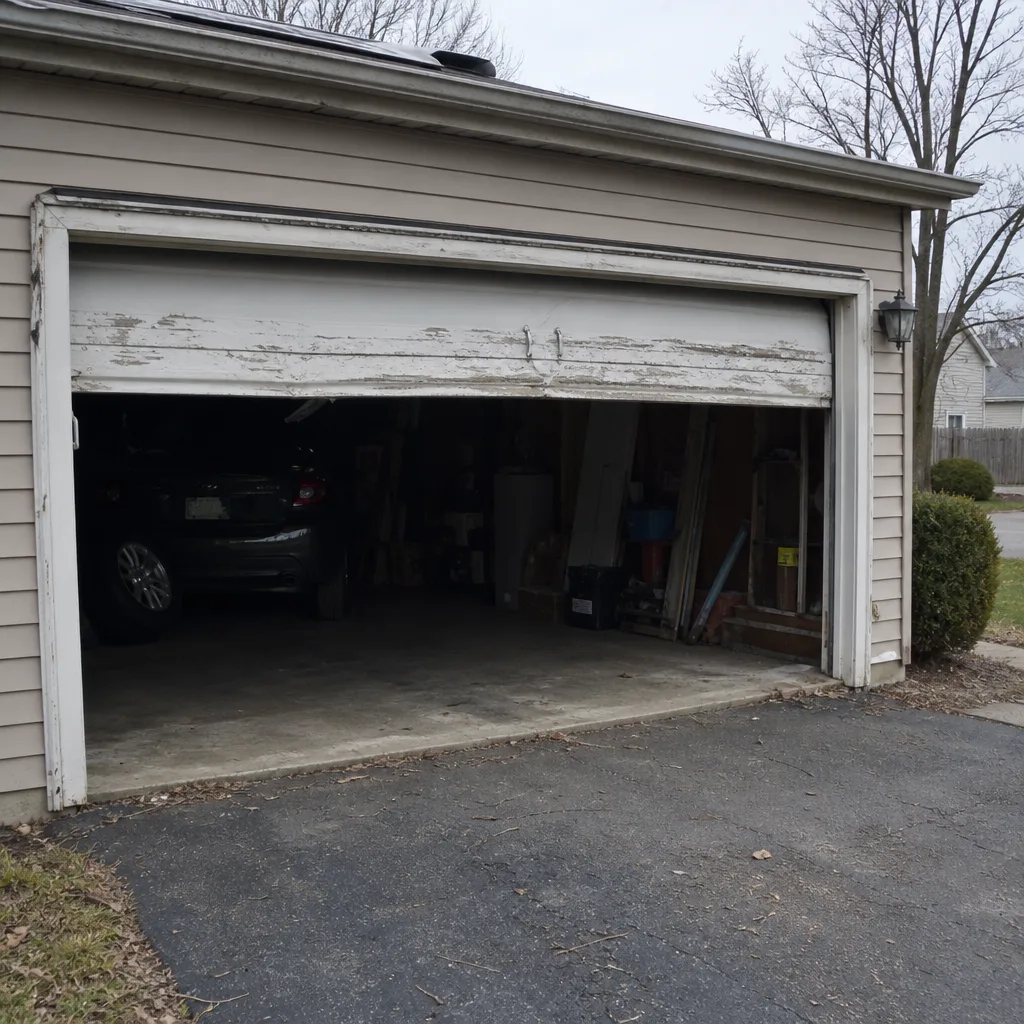 Before
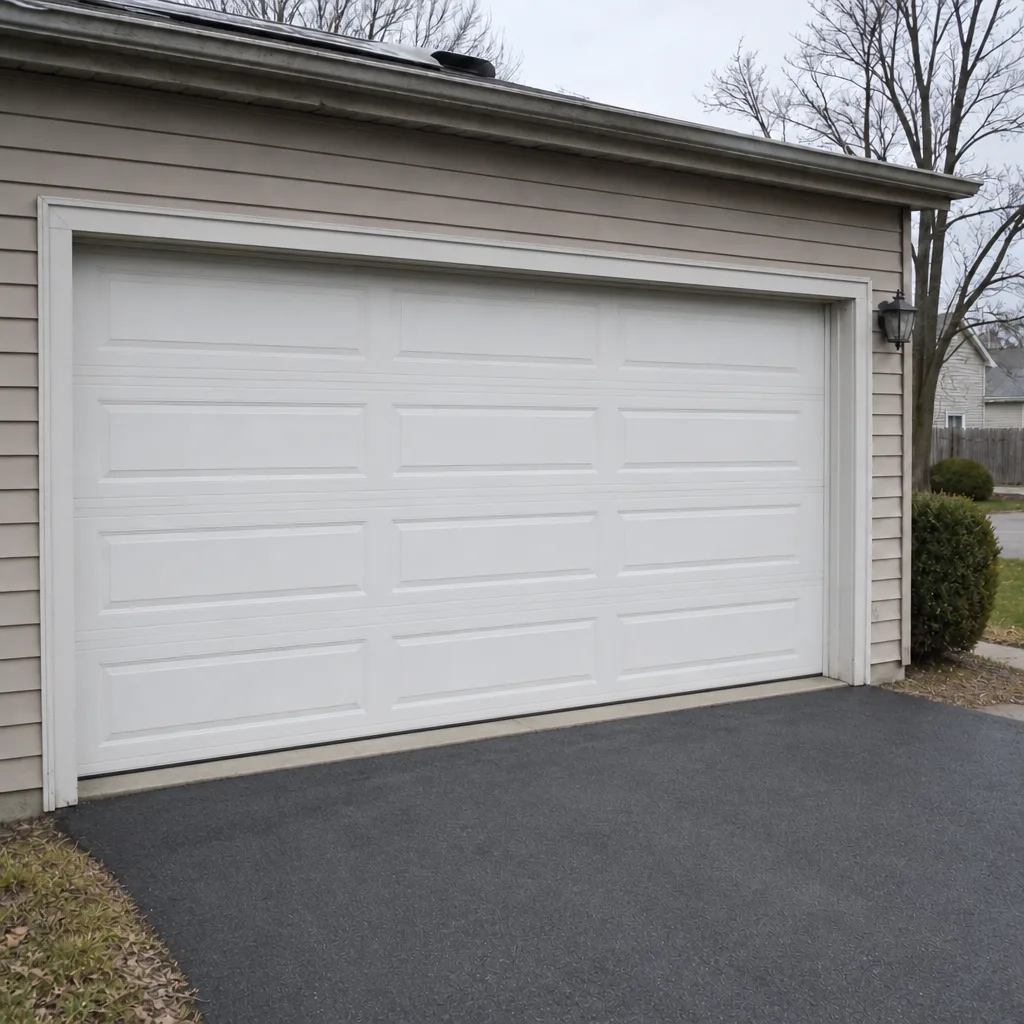 After
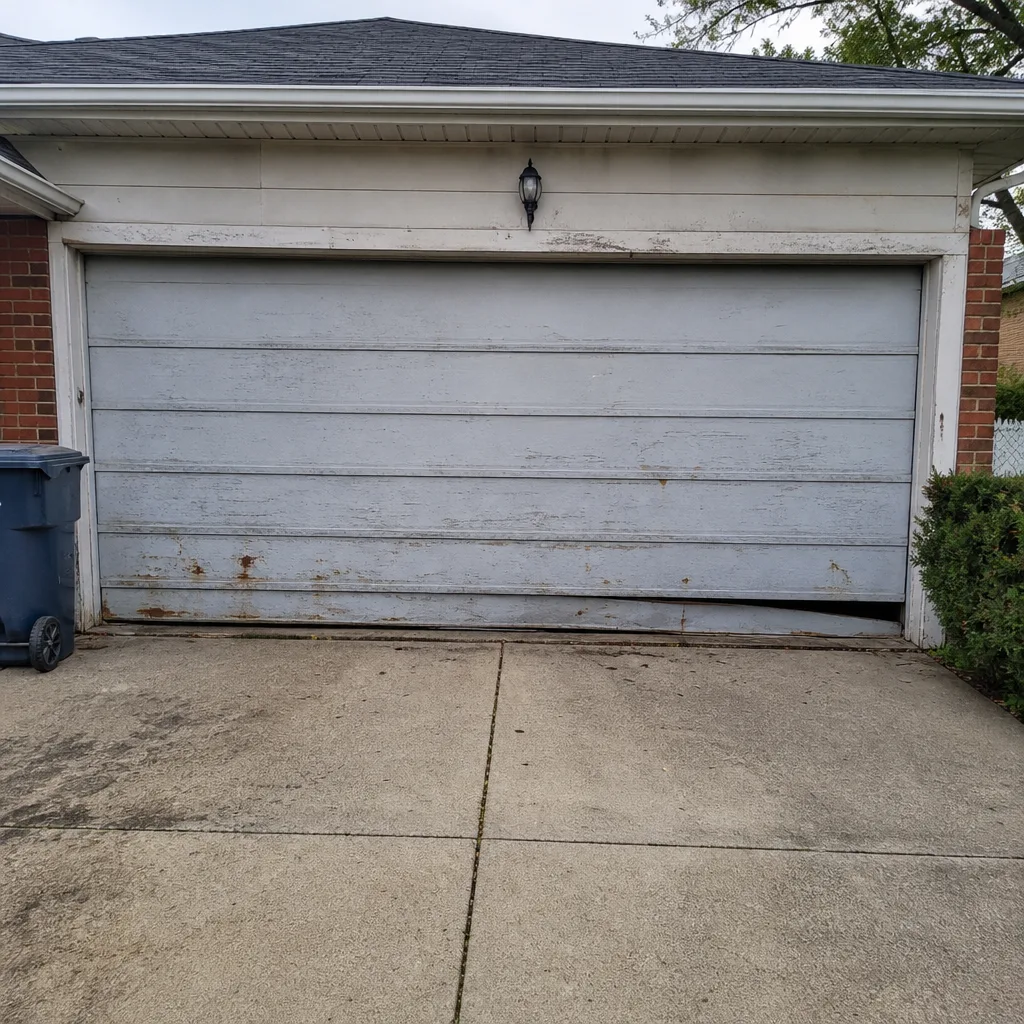 Before
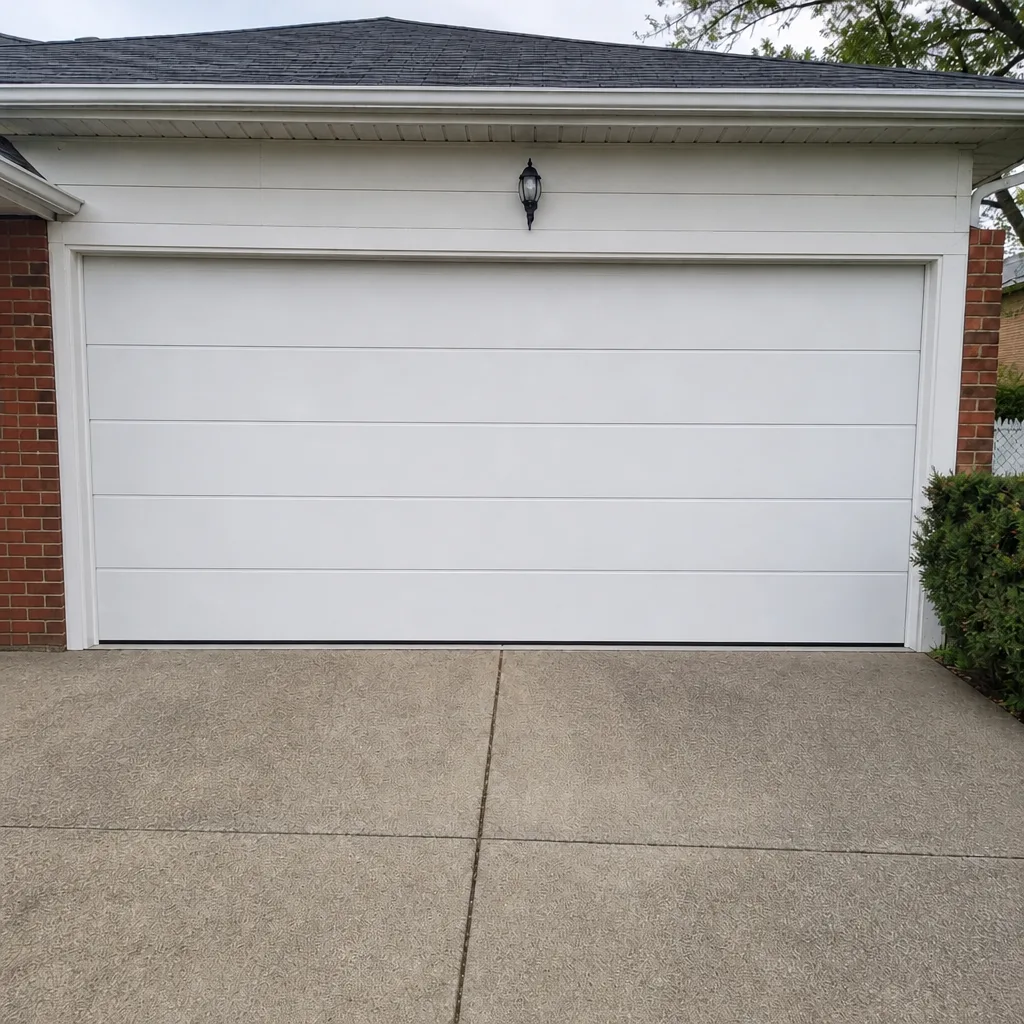 After
When to Call a Professional
Call a professional for any broken spring or cable, a door off its track, a door that came down on a vehicle or a person, an opener that smokes, sparks, or blows a fuse, or any situation where you’re not sure the door can be safely moved. Also call for a door that’s stuck open with no way to secure it, and for any opener that won’t re-engage after a manual release. Garage Door Repair Plainfield Pros offers free estimates in Plainfield – call (877) 792-6208. Our technicians have up to 8 years of experience and work on the brand already in your garage, whether that’s a modern LiftMaster or a Craftsman unit you’ve had for a decade.
Frequently Asked Questions
Emergency garage door repair in Plainfield typically runs in a range that depends entirely on the failing component – a spring, cable, opener, or track. The written estimate you agree to before any work starts sets the final price. Call (877) 792-6208 for an exact quote – estimates are free, and the price is confirmed with you before anything is touched.
Yes, a door stuck open is treated as an emergency because it leaves the home unsecured. When you call, tell the dispatcher the door is open and can’t be closed – that detail determines priority. Call (877) 792-6208 and we’ll connect you with the nearest available technician.
Use the emergency release cord. First confirm the door is fully closed, then pull the cord straight down to disconnect the trolley from the opener. Lift the door slowly by hand. When power returns, you must re-engage the trolley – it won’t re-engage on its own. If the reset won’t take, call (877) 792-6208.
No, the written estimate you agree to before the work begins is the price you pay. If a technician discovers a second issue – a worn roller behind a broken spring, for example – you’ll be shown the additional cost and asked to approve it before any extra work is done. Call (877) 792-6208 for an exact quote.
The local professional who performs the work is licensed and insured as the state of Illinois requires. Our role is to connect you with a vetted, qualified technician who can diagnose and repair your specific brand of door and opener. Call (877) 792-6208 to book.
A broken torsion spring is usually obvious: a loud bang from the garage, followed by a door that won’t lift (or lifts only a few inches), sometimes a visible gap in the spring above the door. A worn spring shows subtle signs first – the door gets heavier, the opener strains, the door lifts slower than it used to. Never diagnose a spring by touching it. Call (877) 792-6208 – spring repair is a trained-professional job.
Leave the emergency release cord alone – pulling it while the door is partially open can cause the door to slam down. If the tracks are clear and the door can be lifted by hand, close it slowly and brace it with a lock bar; otherwise, call for help. In Plainfield’s winter, snow blowing into an open garage is an immediate problem, so treat it as urgent. Call (877) 792-6208.
The Bottom Line
Garage door emergencies are almost always preventable or manageable, and the difference comes down to preparation. Know where your emergency release cord is. Own an emergency release key, a manual lock bar, and a couple of spare rollers – under $40 total. Never disengage a door that isn’t fully closed. Never touch a spring or cable. In Plainfield’s cold winters, don’t force a frozen door. When you do call, have your door and opener brand, the state of the door, and whether you’re locked in or out ready – those details determine how fast a technician gets there. If the door is stuck open, blocking a car, or showing signs of a snapped spring or cable, call (877) 792-6208 for a free estimate and same-day emergency service.
Written by the team at Garage Door Repair Plainfield Pros.