Last updated November 22, 2026
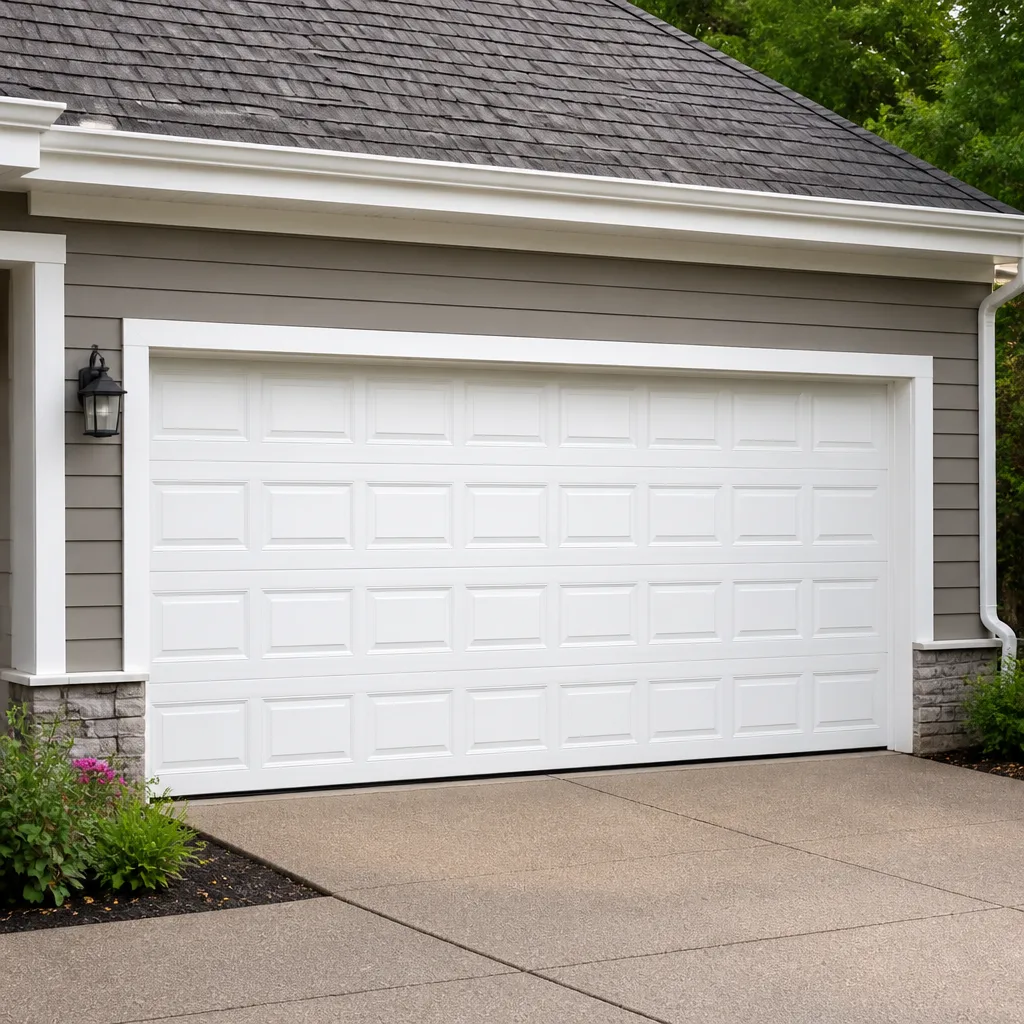 Raised-panel steel
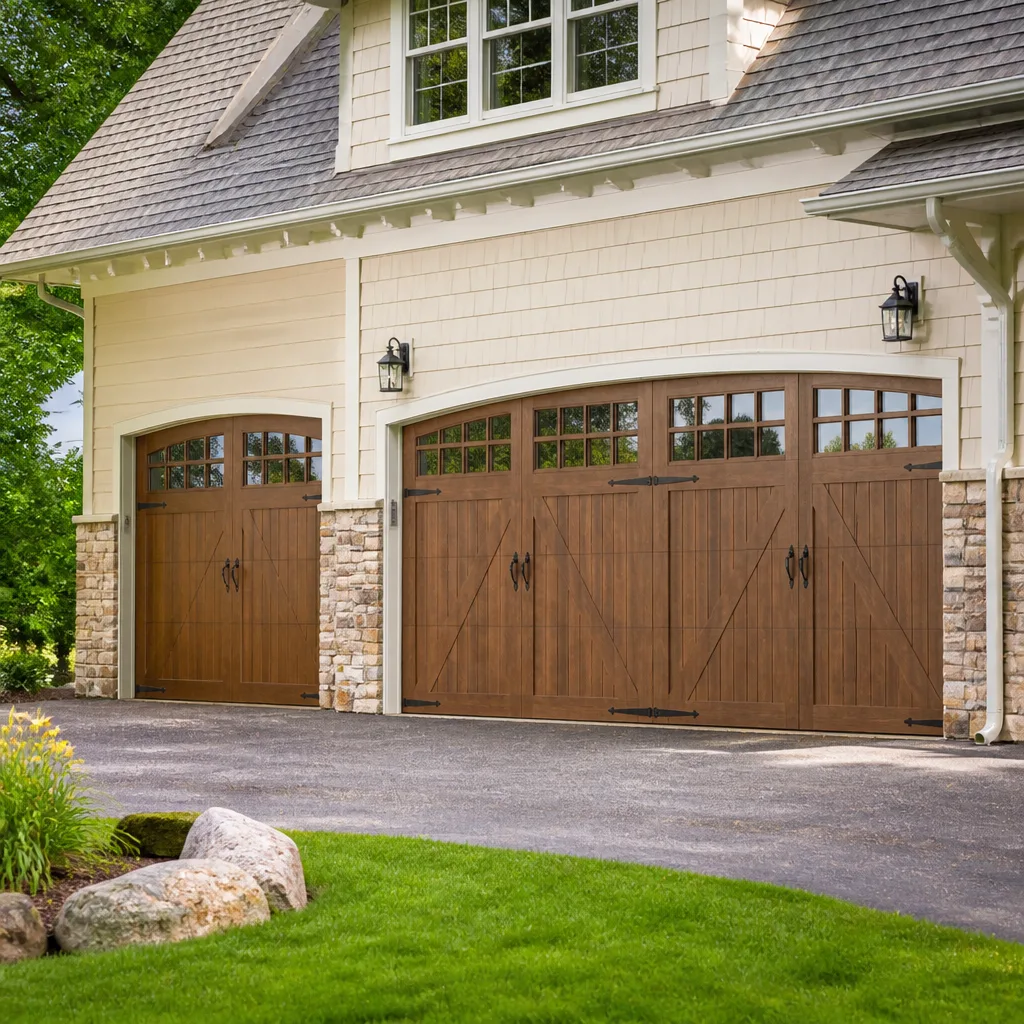 Carriage house
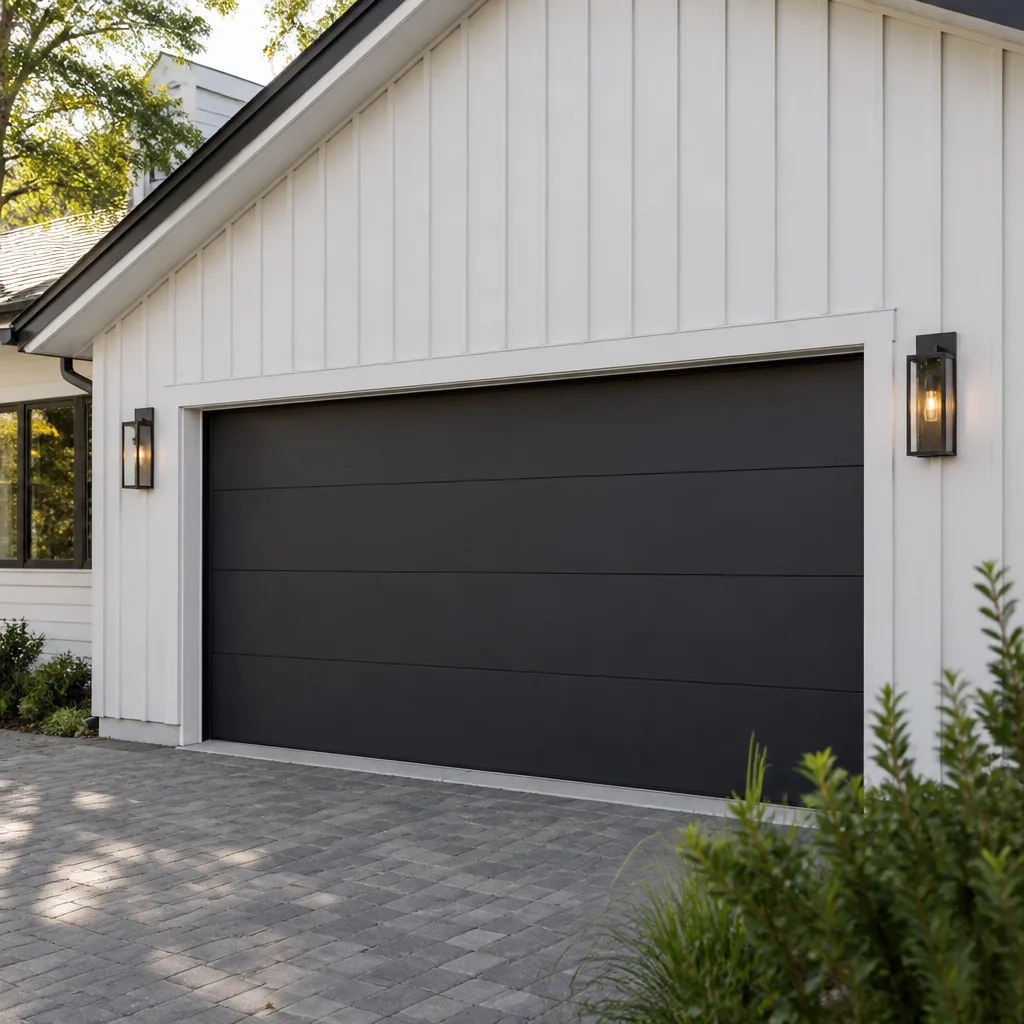 Modern flush
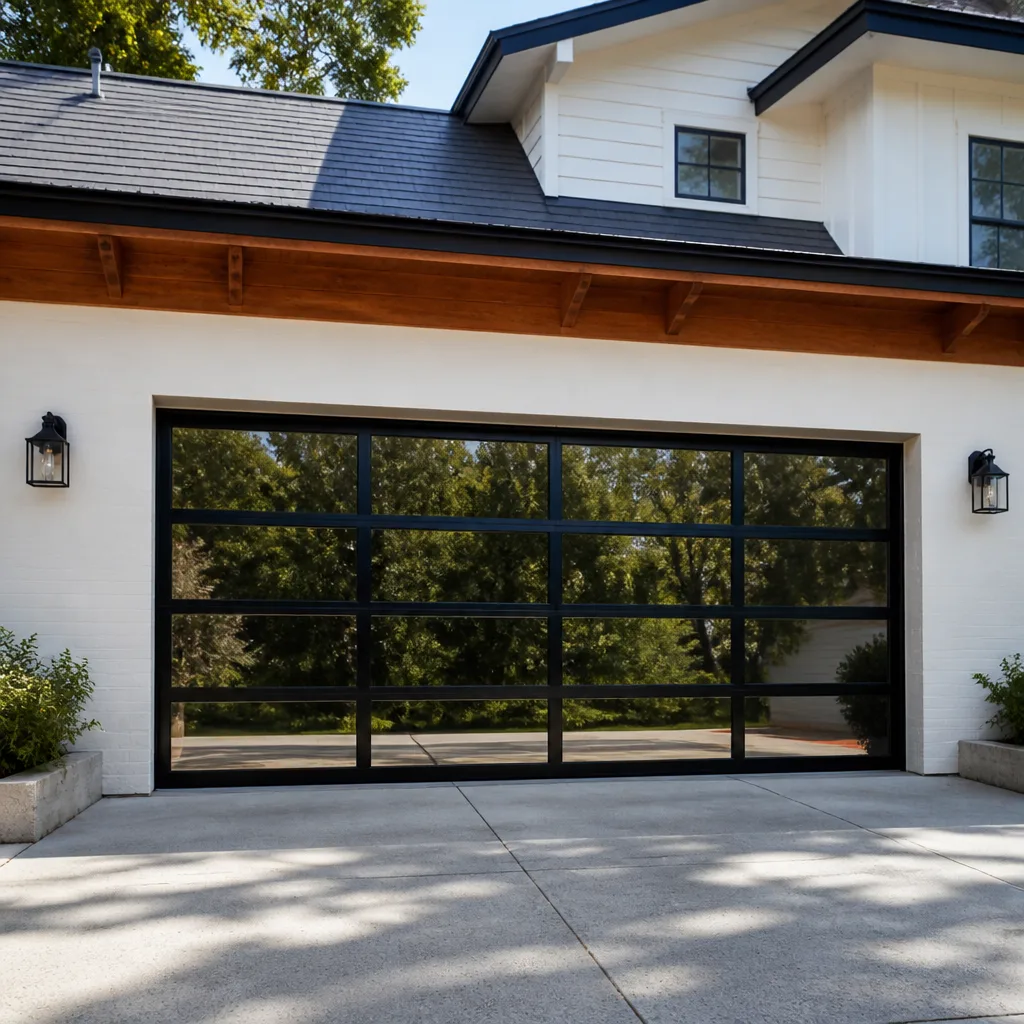 Full-view glass
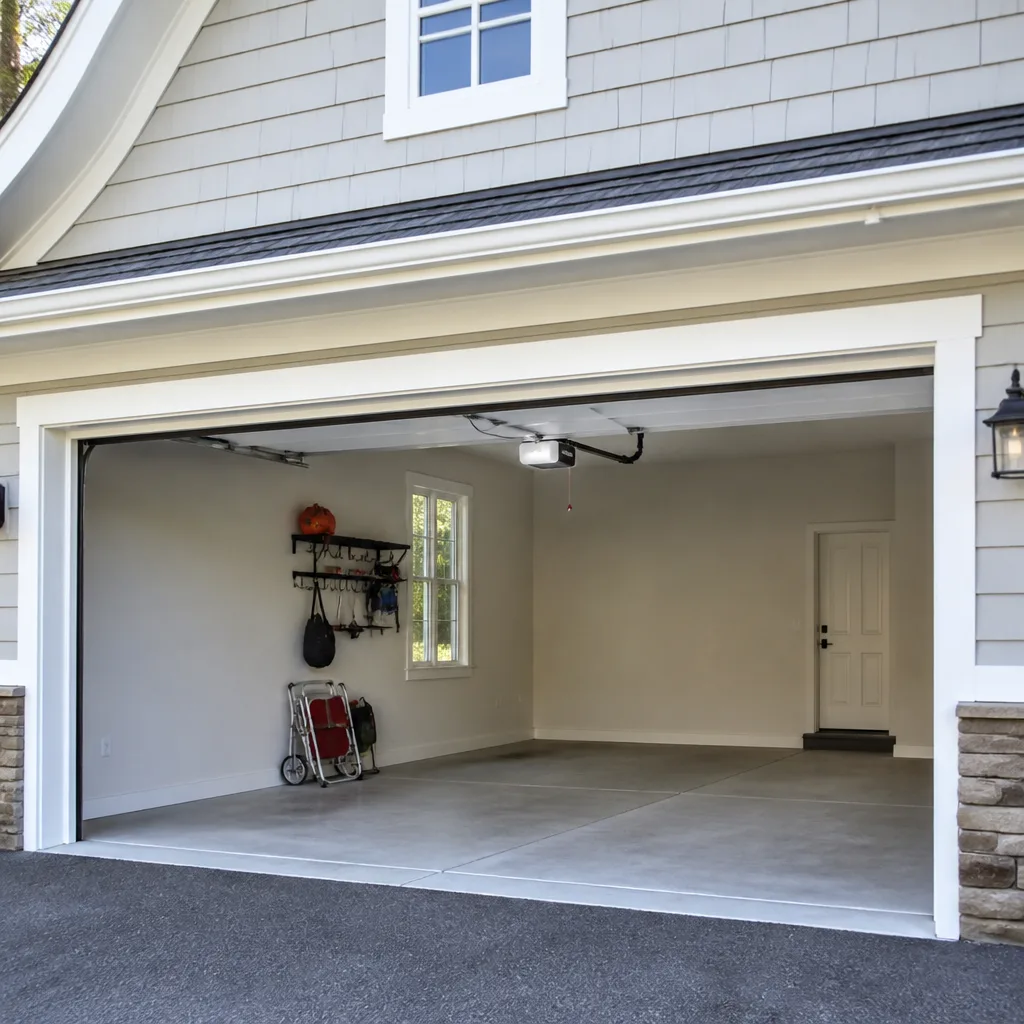 LiftMaster openers
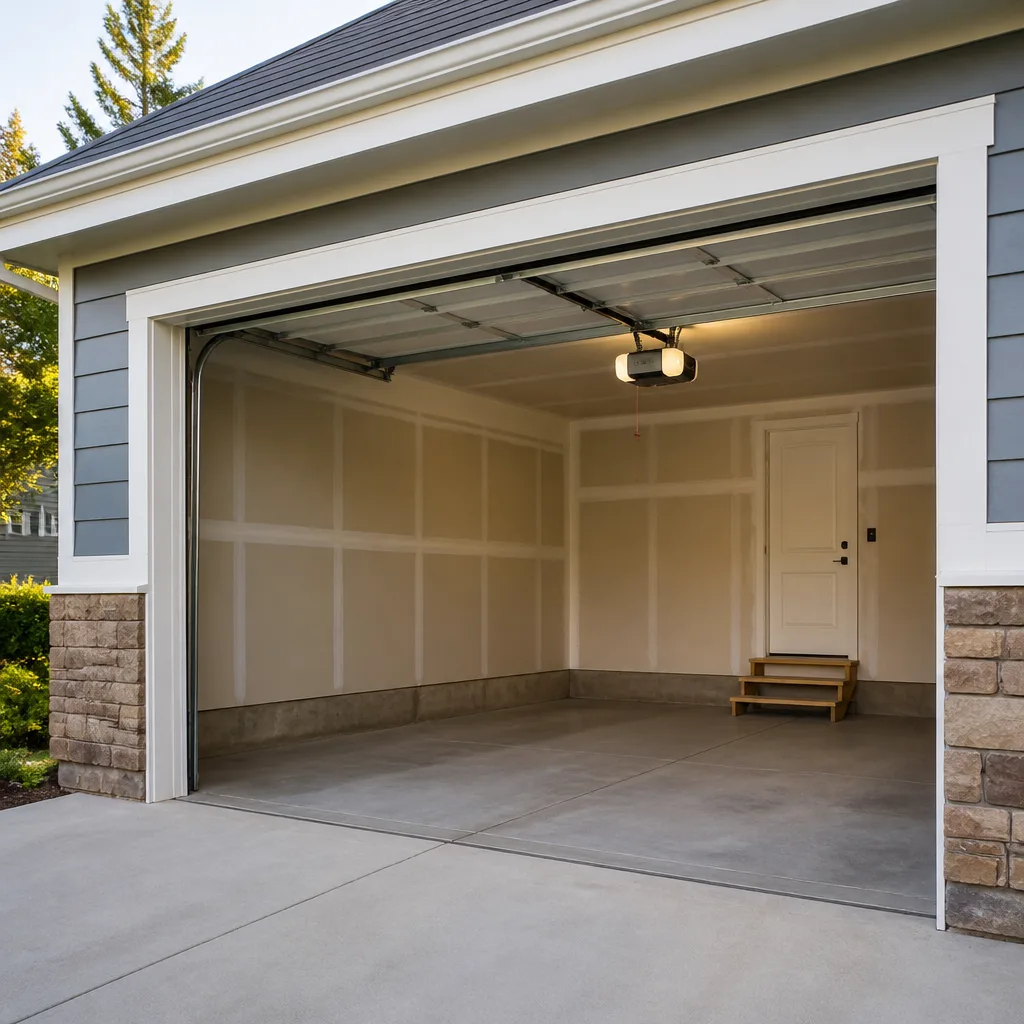 Chamberlain openers
Full 25-point door and opener safety check with every visit - springs, cables, rollers, tracks, and your LiftMaster or Chamberlain opener included
You get a price before we start. It does not change when the pro arrives.
Get your free estimateGarage Door Warning Signs: A Plainfield Homeowner’s Reference Guide
Most garage doors announce trouble long before they break. The problem is that few homeowners know what they’re hearing. A garage door that hesitates for two seconds before moving isn’t a minor annoyance – it’s the opener’s force settings fighting a mechanical resistance that will burn out the motor within months if the underlying cause isn’t fixed. In Plainfield, where the garage is often the main way in and out of the house, that failure always seems to happen at the worst possible time. This guide maps each symptom to its likely cause so you can describe the problem accurately, tell a safe-to-wait issue from a stop-use-now one, and avoid paying for repairs you don’t actually need.
Quick Answer
The most serious garage door warning signs in Plainfield are a snapped spring or a cable hanging loose from its drum – both call for immediate stop-use. Less urgent signs include grinding rollers, a jerky door, an opener that reverses on its own, and a door that won’t fully close. The key is knowing which is which, and describing the symptom precisely when you call for service.
Styles & brands we work with
- Raised-panel steel
- Carriage house
- Modern flush
- Full-view glass
- LiftMaster openers
- Chamberlain openers
Table of Contents
- What is your garage door trying to tell you?
- The symptom-to-cause matrix
- Visual warning signs you can spot from a safe distance
- Opener problem or door problem? How to tell the difference
- Which warning signs are dangerous – and which can wait
- How to describe the problem accurately when you call
- Why Plainfield winters stress your door more than summer
What Is Your Garage Door Trying to Tell You?
Your door is a mechanical system with seven or eight wearable parts, and each one fails in a way that sounds distinct. Grinding, squealing, popping, and banging aren’t interchangeable problems. A grinding sound at the top of the door almost never means the same repair as a squeal at the bottom. This is where homeowners get upsold: if you tell a technician “it’s making a noise,” the diagnosis starts from scratch and the parts list can get long. If you tell them “there’s a metallic grind coming from the rollers on the left side as the door comes down,” the diagnosis is faster and narrower.
We work on the brand already in your garage – LiftMaster, Chamberlain, Genie, Clopay, Amarr, Wayne Dalton, Craftsman, Raynor – and each system has its own characteristic wear patterns. A Clopay door with a Chamberlain opener will develop its own signature sounds as the rollers and hinges age. Our technicians have up to 8 years of experience listening for exactly these differences in Plainfield homes.
Start here: does the sound come from the door itself (the panels, rollers, and tracks) or from the opener (the motor unit mounted to the ceiling)? That single question narrows half the diagnosis before anyone arrives.
Here’s what each common sound usually points to:
- Grinding or scraping – worn steel rollers, dry hinges, or a door panel rubbing against the track.
- Squealing or chirping – dry bearings, unlubricated hinge pivots, or worn nylon rollers.
- A loud pop or bang – a spring that has just broken, or a cable that has come off its drum.
- Rhythmic banging as the door moves – a loose panel, a bent hinge, or a track that’s out of alignment.
- Rattling – loose bolts on the hinge plates or the opener’s rail joining hardware.
If the door still opens and closes but the noise is new, that’s your early window. That’s also when a service call is cheapest – we’re diagnosing one worn part, not a chain reaction of failures. If you’ve already stopped using the door entirely, that’s a different call and usually a faster one, because an emergency garage door repair visit is what’s needed, not a scheduled tune-up.
The Symptom-to-Cause Matrix
Use this table the next time something sounds off. It’s built from the repairs we see most often in Plainfield, but it’s meant as a starting point, not a diagnosis in itself.
- Squealing that starts the moment the door begins to move: most likely dry or worn rollers and hinges. This is usually a maintenance fix, not a replacement.
- Grinding at the top corner near the spring shaft: worn bearing plates or a dry torsion shaft. Left alone, the friction transfers stress to the spring.
- A single loud pop, then the door references all its weight: a broken torsion or extension spring. Stop using the door.
- Banging on the way up: a cable that’s come loose from its drum, or a panel that’s out of alignment. Stop using the door.
- Door moves a few inches, then reverses: an obstruction, a misaligned safety sensor, or a force setting that’s masking a mechanical resistance.
- Door drops a few inches when it stops: a balance problem – the springs have lost tension or were set wrong.
- Opener runs but the door doesn’t move: a broken spring, a disconnected carrier, or a stripped gear inside the opener.
- Door opens, but only from the wall button, not the remote: a remote, battery, or antenna issue that has nothing to do with the door’s mechanics.
Each of these is a different repair. A spring replacement is not an opener fix, and an opener fix won’t solve a balance problem. That’s why the symptom description matters more than the sound itself.
Visual Warning Signs You Can Spot from a Safe Distance
You can catch a great many serious problems with your eyes, standing safely in front of your garage door in Plainfield, without touching anything. Look for these:
- A gap in the torsion spring. The spring coils should sit tight together. If you see a gap in the middle of the coil, the spring has broken. It is now holding nothing back.
- A stretched or sagging extension spring. On older Clopay and Amarr doors, extension springs stretch along the horizontal track. If one looks longer than the other, it’s worn out.
- A cable that’s hanging loose. Both cables should run straight and taut alongside the door. A cable that’s slack, tangled, or off the drum is a stop-use warning.
- Rollers that squeak when you nudge them (don’t – just look). Check for rollers with flat sides, cracks, or visible rust. Flat or cracked rollers cause the door to lurch.
- A visibly bent or damaged track. Stand back and look for tracks that curve inward or outward. The door can’t track straight in a bent rail.
- Panels that have shifted. Look for uneven gaps between panels. A door that’s even on one side and crooked on the other has a hinge or panel problem.
Springs and cables hold tension even when the door is closed – never touch them to check. Take a photo from a few feet away, don’t reach in. Spring repair is dangerous, and it isn’t a DIY job.
If any of these checks turn up a spring or cable issue, call for garage door spring repair and don’t run the door until someone’s looked at it. A spring that’s already broken isn’t a nuisance – it can cause the door to drop suddenly if the opener is used anyway.
Opener Problem or Door Problem? How to Tell the Difference
This is the single most important distinction in the whole guide, because an electrical issue and a mechanical issue present almost identically. Both can make the door reverse, refuse to close, or act like it’s lost its mind. But they require completely different repairs – and you don’t want to pay for an opener replacement when a hinge was loose the whole time.
Here’s how to separate them before you call, using only facts you can observe without tools:
- Does the door move freely when the opener is released? If you pull the manual release and push the door by hand (gently – don’t force it), and the door moves smoothly along its track, the door’s mechanics are probably fine and the issue is in the opener. If it feels heavy or sticks, the door has a mechanical problem the opener is just reporting.
- Does the opener’s light flash? Most LiftMaster and Chamberlain units flash a diagnostic code when they detect an obstruction or a sensor problem. That flashing is the opener talking. A Genie unit will usually behave differently.
- Does the safety sensor work? Wave a hand or a piece of cardboard in front of the photo-eye while the door is trying to close. If the door reverses, the safety sensor is fine and the issue is elsewhere. If it ignores you, the sensor or its wiring is the problem.
- Does the door respond from the wall button but not the remote? If so, you have a remote problem, not an opener failure.
- Does the opener hum but the door doesn’t move? That’s often a stripped gear inside the opener, or a broken spring that’s now beyond what the opener can move.
In our experience, a healthy opener that suddenly struggles is almost always reporting a mechanical problem it can’t overcome. The opener isn’t broken. The door is. If that’s the case, an garage door opener repair visit will make the diagnosis clear in minutes.
Modern smart-home openers add one more wrinkle. A LiftMaster or Chamberlain with myQ that won’t respond to the app, but works from the wall button, has a Wi-Fi connection problem, not a mechanical one. A Genie Aladdin Connect behaving the same way has the same answer. Smart-home openers are great, but they turn “the door won’t open” into a three-way question: mechanical, electrical, or network.
Read the opener’s manual if you have it – most list the flashing-light error codes. If you don’t, describing the flash pattern to a technician is often enough to identify the fault before anyone arrives.
Which Warning Signs Are Dangerous – and Which Can Wait
Not every warning sign needs the door locked out. Knowing which is which keeps you from panicking over a squeak, and equally, from dismissing something that could drop a 200-pound panel on a car.
Stop using the door immediately if you see any of these:
- A broken torsion or extension spring – a snapped spring holds no counterweight, and the opener alone cannot safely lift the door.
- A cable that’s come off its drum, tangled, or hanging loose.
- A door that’s visibly out of square, or a panel that has come out of its track.
- A door that has come completely off one track and is hanging.
- Any sound that was a single loud pop followed by the door refusing to move on its own.
These can wait for a scheduled service visit while you use the door gently:
- Squealing or grinding during normal operation.
- Rollers that look flat or cracked but the door still runs.
- A remote that needs to be closer to the door than it used to.
- A safety sensor that’s misaligned, but the door still closes when the sensor is clear.
- Loose hinge bolts (tighten gently by hand, or hand the door to a technician).
If you’re in the first list, call for emergency help. When the door won’t move, we move fast. In Plainfield, that’s the call you don’t want to put off until the next day.
How to Describe the Problem Accurately When You Call
This is where a homeowner saves money. A technician who arrives with a clear symptom report can diagnose faster and measure the exact repair needed. A vague description makes every part suspect and increases the chance something gets replaced that didn’t need to be.
Before you call, take two minutes to gather these facts:
- The door brand and opener brand. Clopay, Amarr, Wayne Dalton, or another door brand – and LiftMaster, Chamberlain, Genie, Craftsman, or Raynor for the opener. These are usually on a sticker on the door frame or the opener housing.
- Where the sound comes from. “Top left near the spring” is far more useful than “the door.”
- When it happens. Opening only, closing only, or both directions.
- Whether the door reverses on its own. And at what point – a few inches, halfway, or at the bottom.
- Whether the opener light flashes. How many times, in what pattern.
- Whether the door moves by hand when the opener is released. Smoothly? Stiffly? Not at all?
- How long you’ve noticed it. Days, weeks, months.
- A short video from your phone. If the door still runs, film from a safe distance. Ten seconds of video can replace ten minutes of guessing.
With this report in hand, you’re likely to get a firm diagnosis faster and an accurate quote the first time. “One call, full fix” is the goal, but you can help it along by giving the technician the story of the door, not just the fact that it’s broken.
Why Plainfield Winters Stress Your Door More Than Summer
The climate here does one thing to garage doors: it makes them work harder. Plainfield winters mean cold, contraction, and a lot of freeze-and-thaw cycles. That has concrete effects:
Lubrication thickens. The grease that keeps hinges and rollers smooth gets stiff in cold weather. A door that squeaked quietly in September can grind audibly in January.
Moisture expands and contracts. Wooden panels and older track systems move more in the cold. Gaps that were tight can loosen. Loose hardware can rattle.
Rubber seals stiffen. The bottom weather seal gets hard and brittle in a cold snap, which can make the door harder to close and easier to damage.
Cold weather makes springs slightly more brittle. A spring at the end of its life can snap in cold weather when a warm-weather door would have squeaked through another month.
That last point is why Plainfield homeowners should look more carefully at their springs in late fall and early winter. It’s also why a door that acts fine over the summer can start misbehaving in November without anything else having changed.
If you want to be proactive, plan a check before cold weather hits. A simple visual check of the springs and cables, plus a listen for new sounds as the temperature drops, catches most of the problems the season causes. Our technicians have up to 8 years of experience working with Plainfield’s climate and can flag a worn spring before it fails.
Common Mistakes to Avoid
- Running the door after you’ve seen a broken spring. The opener will try to lift a 200-pound door with no counterweight. That strains the motor and can cause the door to drop. Stop using the door and call for spring service.
- Assuming a noisy door needs a full replacement. Grinding, squealing, and rattling are almost always roller or hinge issues – a small repair, not a new door. Get it looked at before you replace anything.
- Adjusting the opener’s force settings to “fix” a struggling door. If the door struggles, the problem is mechanical. Increasing the opener’s force just lets it fight harder and hides the real cause until something breaks.
- Describing the problem as “it’s just making a noise.” A precise symptom description is the difference between a fast diagnosis and a long parts list. Use the checklist above before you call.
- Skipping annual spring checks in late fall. The cold is when springs fail. A visual check in October or November can catch a worn spring before it snaps.
- Tightening a loose cable or tracking down a broken end by hand. Cables and springs are under tension. This is not a DIY area. Call a technician.
- Calling an emergency line for a squeak. Save emergency service for a door that’s stuck open, stuck closed, or unsafe. A scheduled visit is faster and easier for a maintenance issue.
See the difference
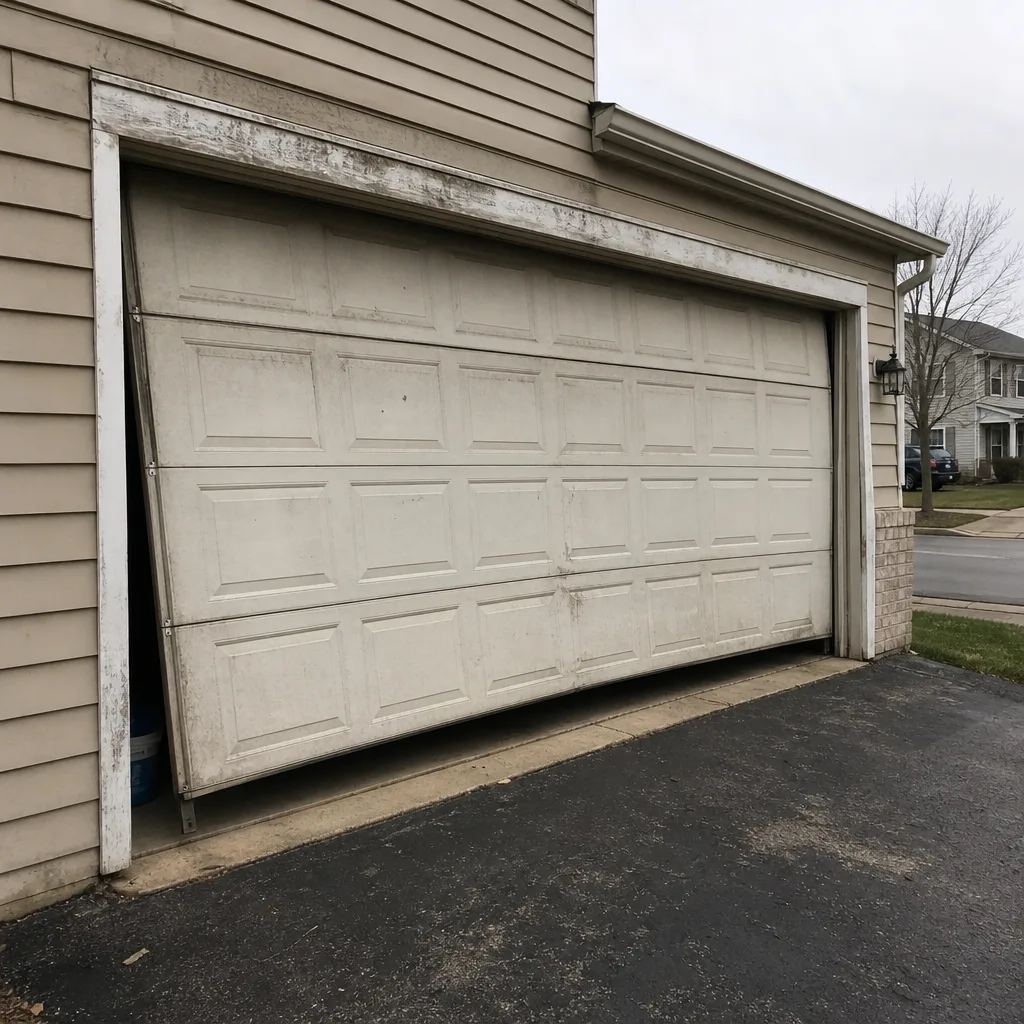 Before
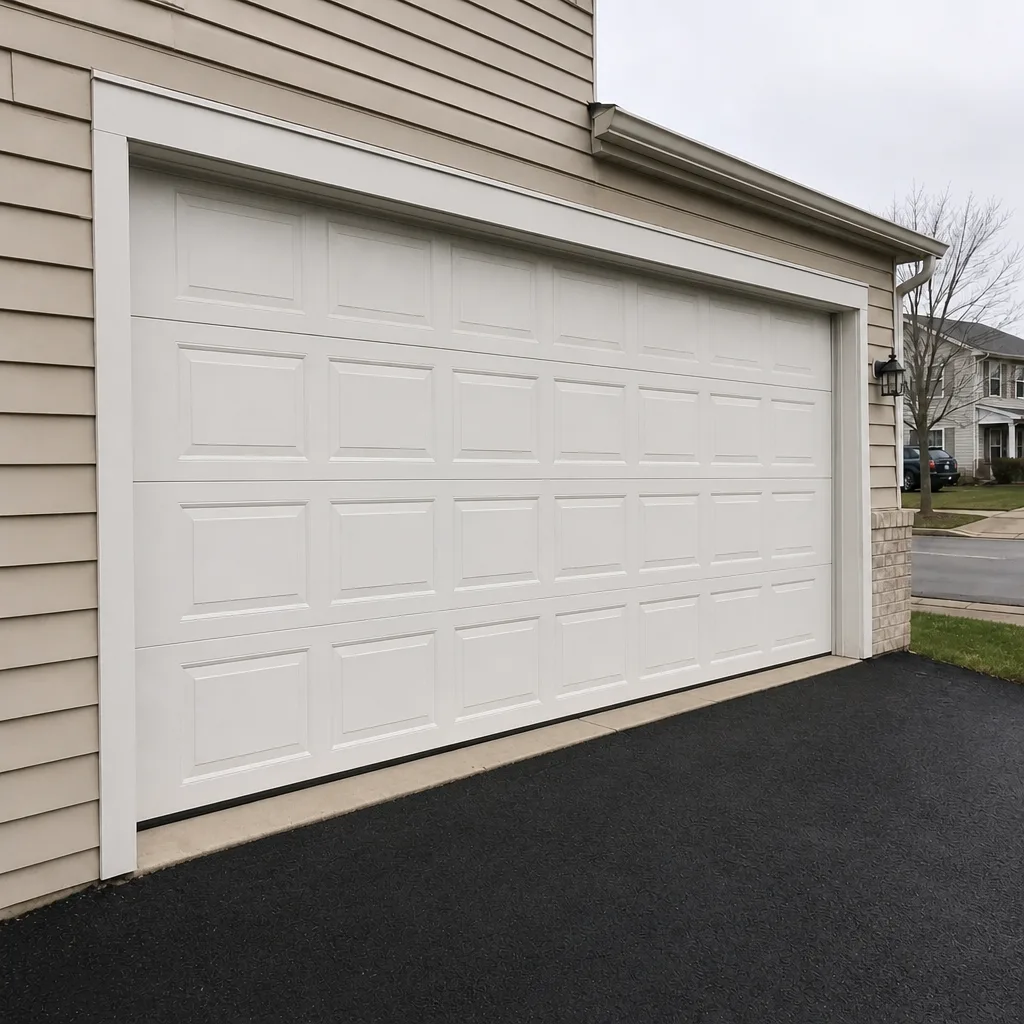 After
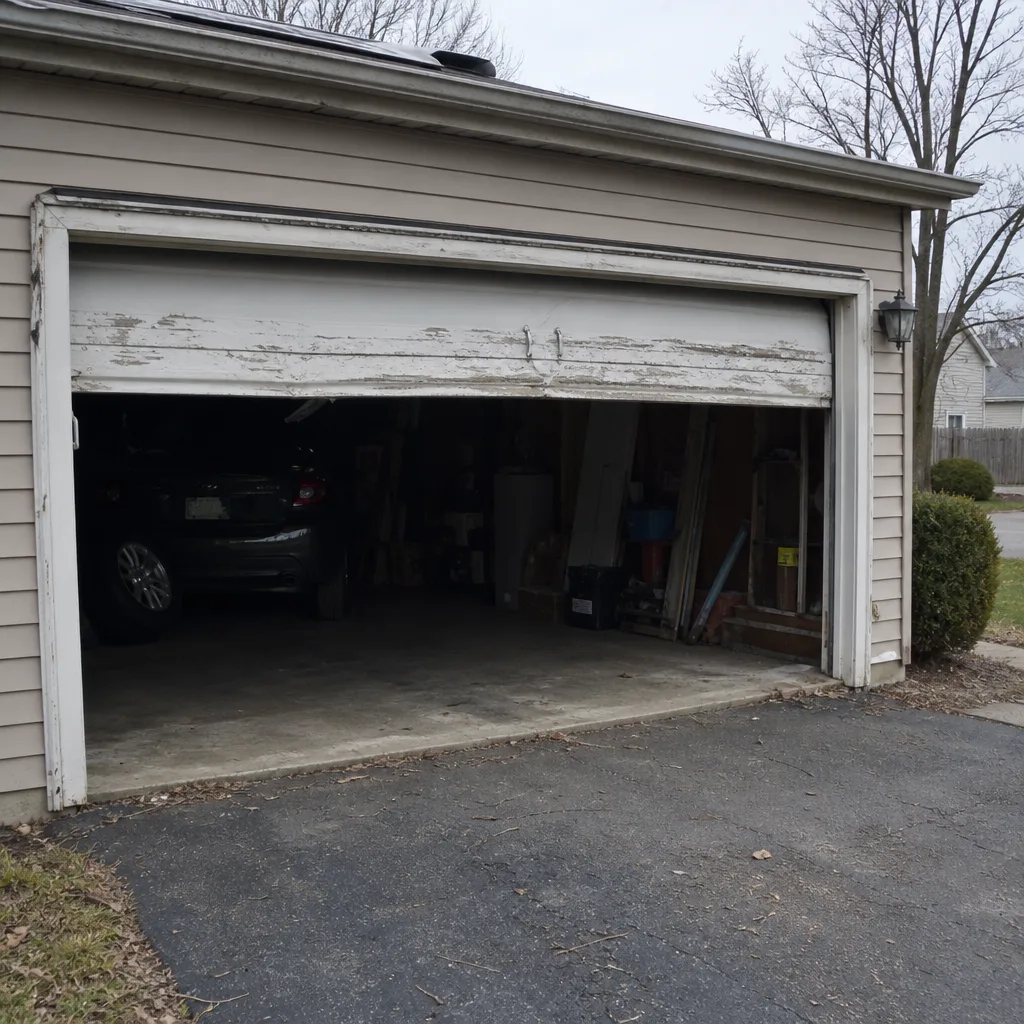 Before
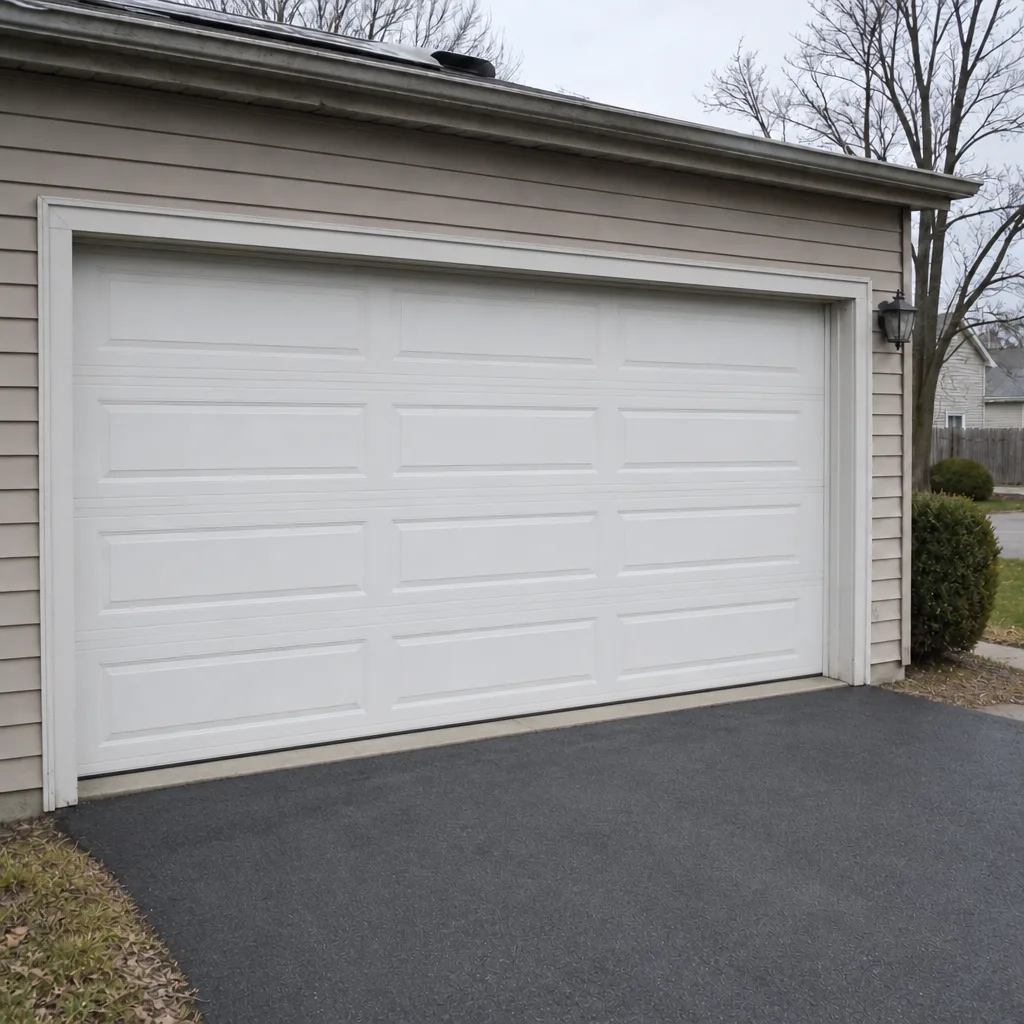 After
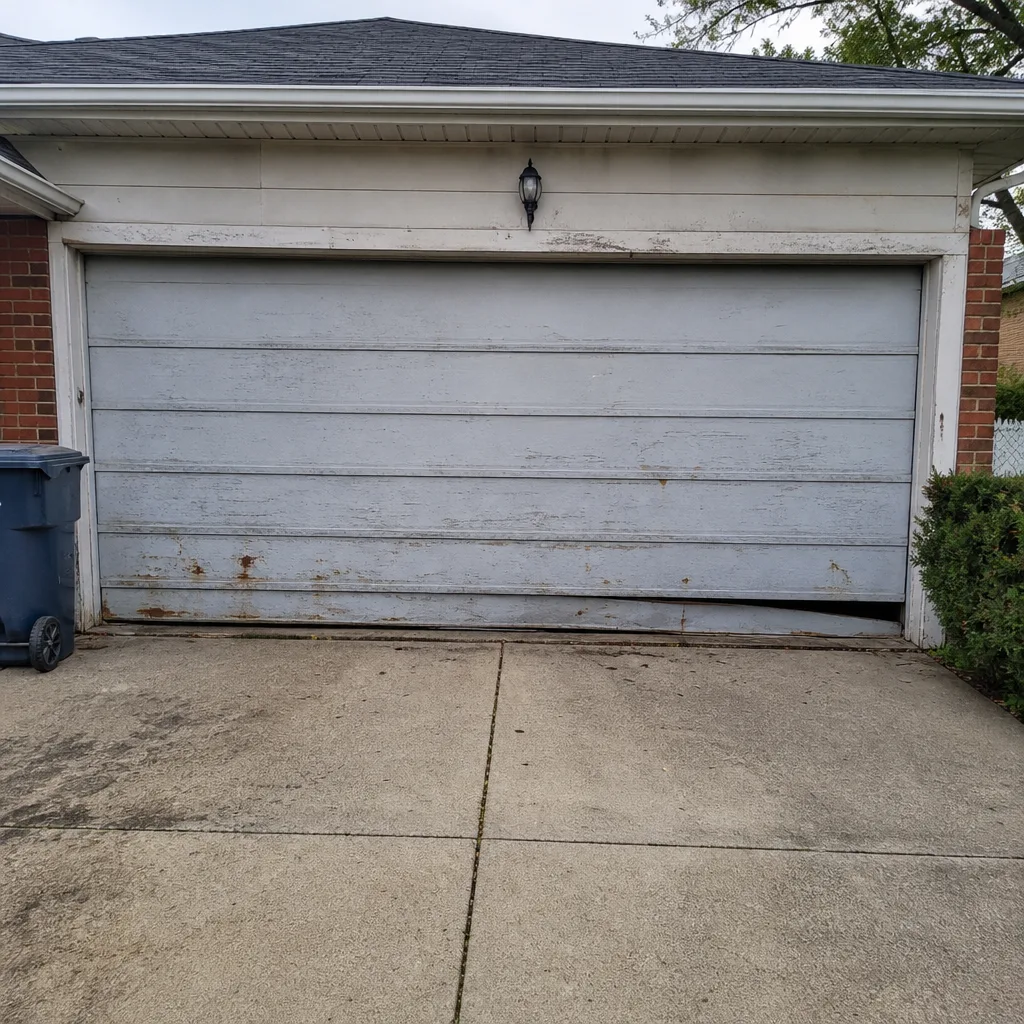 Before
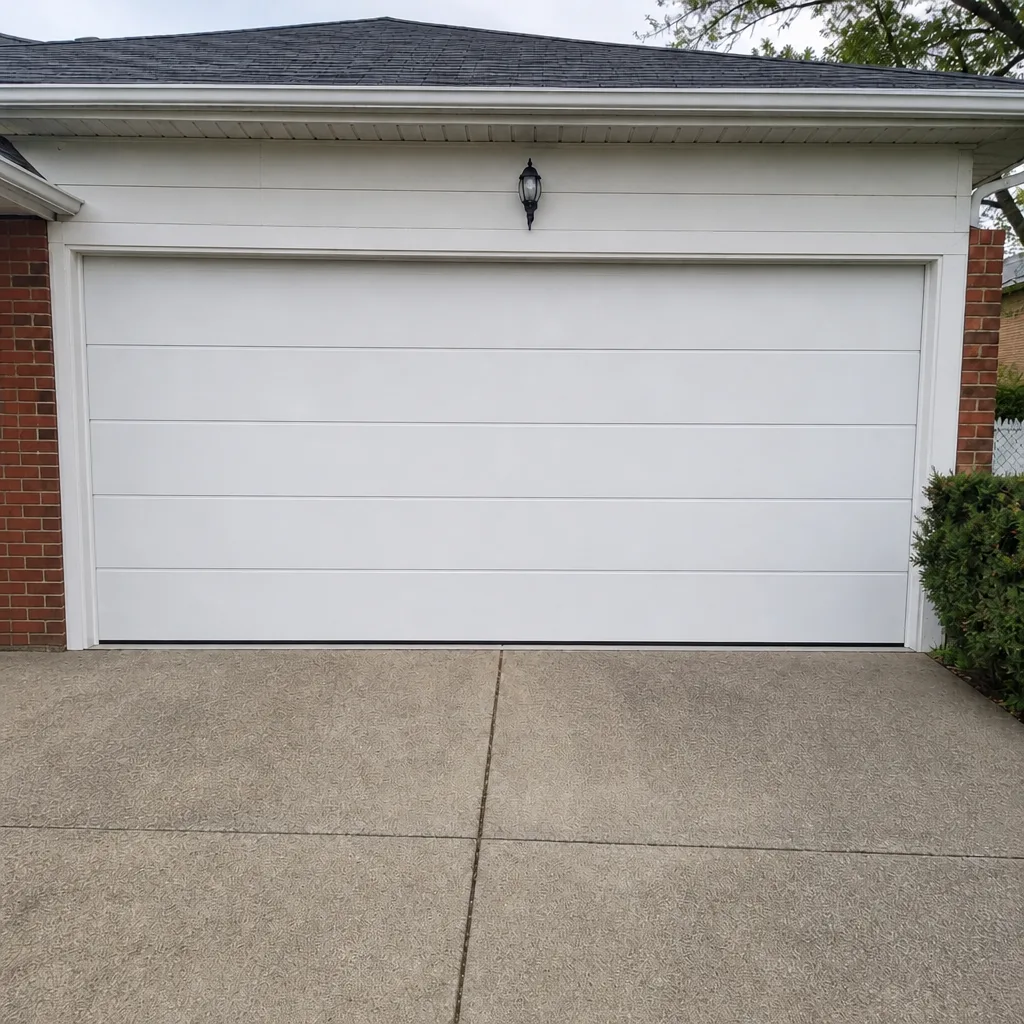 After
When to Call a Professional
Call a professional whenever a spring or cable looks wrong, when the door has come off its track, when the door drops on its own, when the opener hums but the door doesn’t move, or when any warning sign on the “stop-use” list above applies. In Plainfield, that’s a call worth making early rather than late. Garage Door Repair Plainfield Pros offers free estimates in Plainfield – call (877) 792-6208. We handle repair, garage door opener repair, spring service, new installs, and emergency calls, and we work on the brands already in your garage. When it’s just a squeak or a new rattle, a scheduled service visit will save you both time and money – and answer the question before it turns into a bigger repair.
Frequently Asked Questions
Spring repair in Plainfield is typically a single-spring job, and the cost depends on whether it’s one spring or a matched pair. A single spring is one price; a matched pair is usually replaced together and runs about twice that. We quote the price before any work starts, so you’ll know the number before we begin. Call (877) 792-6208 for an exact quote – estimates are free.
Stop using the door immediately. A loud pop is usually a broken torsion or extension spring, and the opener alone cannot safely lift a door without a counterweight. Don’t run the door, don’t try to lift it by hand, and call for spring service. A technician can replace the spring safely.
Release the opener and try pushing the door by hand. If it moves smoothly, the door’s mechanics are probably fine and the issue is in the opener. If it’s heavy or sticks, the door is the problem. A flashing light on a LiftMaster or Chamberlain unit usually reports an obstruction or sensor issue, while a Genie unit may behave differently. Call (877) 792-6208 for a free diagnostic visit.
Usually yes, if the only issue is squealing, grinding, or rattling and the door still opens and closes smoothly. Noise is rarely urgent on its own, but it’s a warning that a part is wearing. A scheduled Garage Door Repair Plainfield Pros visit is a good idea before the noise turns into a failure.
The local pro we connect you with is licensed and insured as their state requires. We only connect Plainfield homeowners with professionals who meet that standard. Call (877) 792-6208 to schedule an appointment or a free estimate.
Yes – a door stuck open is a security problem and a safety problem. It’s exposed to weather and to anyone who wants to get in, and it can’t be closed safely. Emergency garage door service is a core offering here, so call (877) 792-6208 and we’ll get someone out.
Once a year is a sensible baseline, and late fall – before the cold weather arrives – is the best time. That’s when springs are most likely to fail, and an inspection catches a worn spring before it snaps. It also gives you a chance to lubricate the door and check for loose hardware before cold weather makes everything stiffer.
The Bottom Line
Your garage door warns you before it fails. A grind, a squeal, a pop, a gap in the spring, a loose cable – each one is a signal, and each one has a probable cause. The homeowner who can describe what they’re hearing and seeing gets a faster diagnosis, a narrower repair, and a firmer quote. Plainfield homeowners who follow this guide can confidently separate the dangerous from the merely annoying, avoid the common upsell, and know when to call for help. If any warning sign on the stop-use list applies, don’t wait. Garage Door Repair Plainfield Pros makes free estimates easy, and one call covers diagnosis through completion.
Call (877) 792-6208 for a free estimate. Our technicians have up to 8 years of experience, and we work on the brand already in your garage – LiftMaster, Chamberlain, Genie, Clopay, Amarr, Wayne Dalton, Craftsman, or Raynor. When the door won’t move, we move fast.
Written by the team at Garage Door Repair Plainfield Pros.