Last updated November 22, 2026
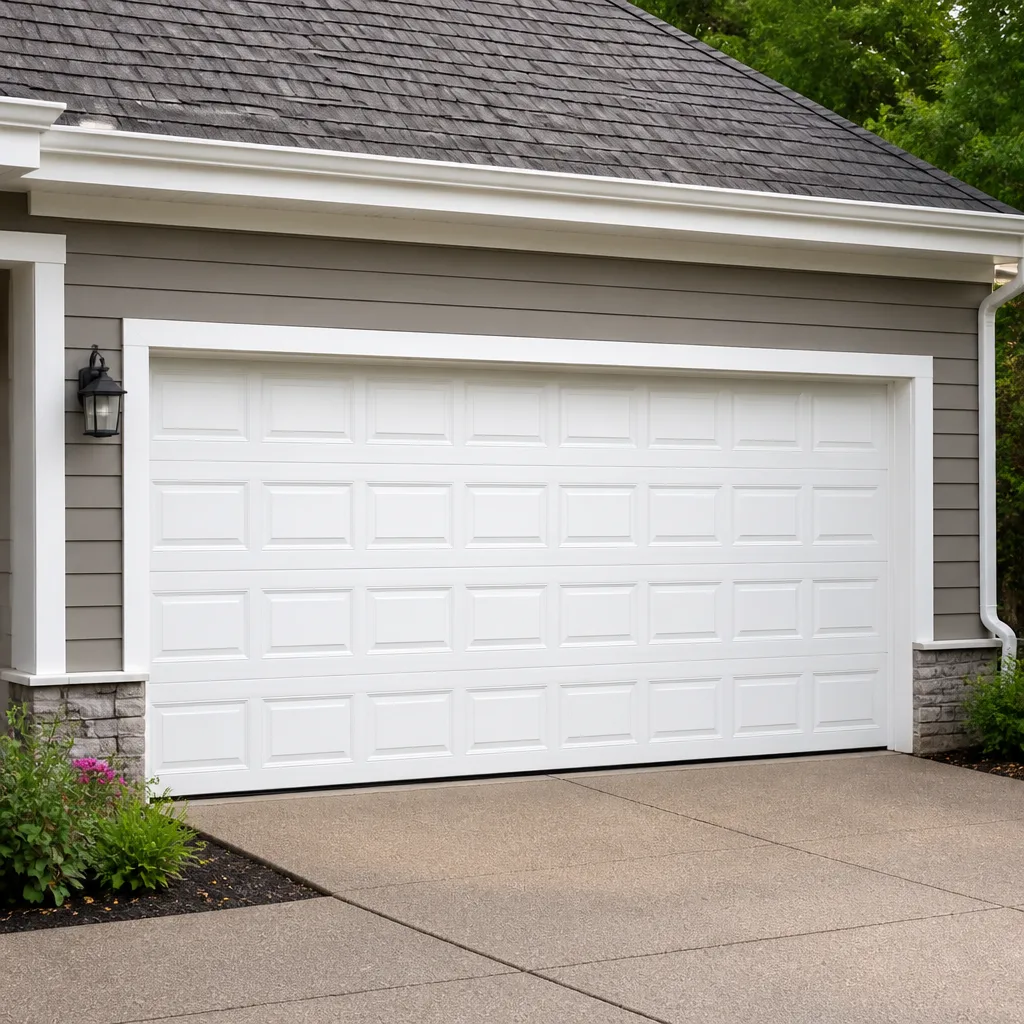 Raised-panel steel
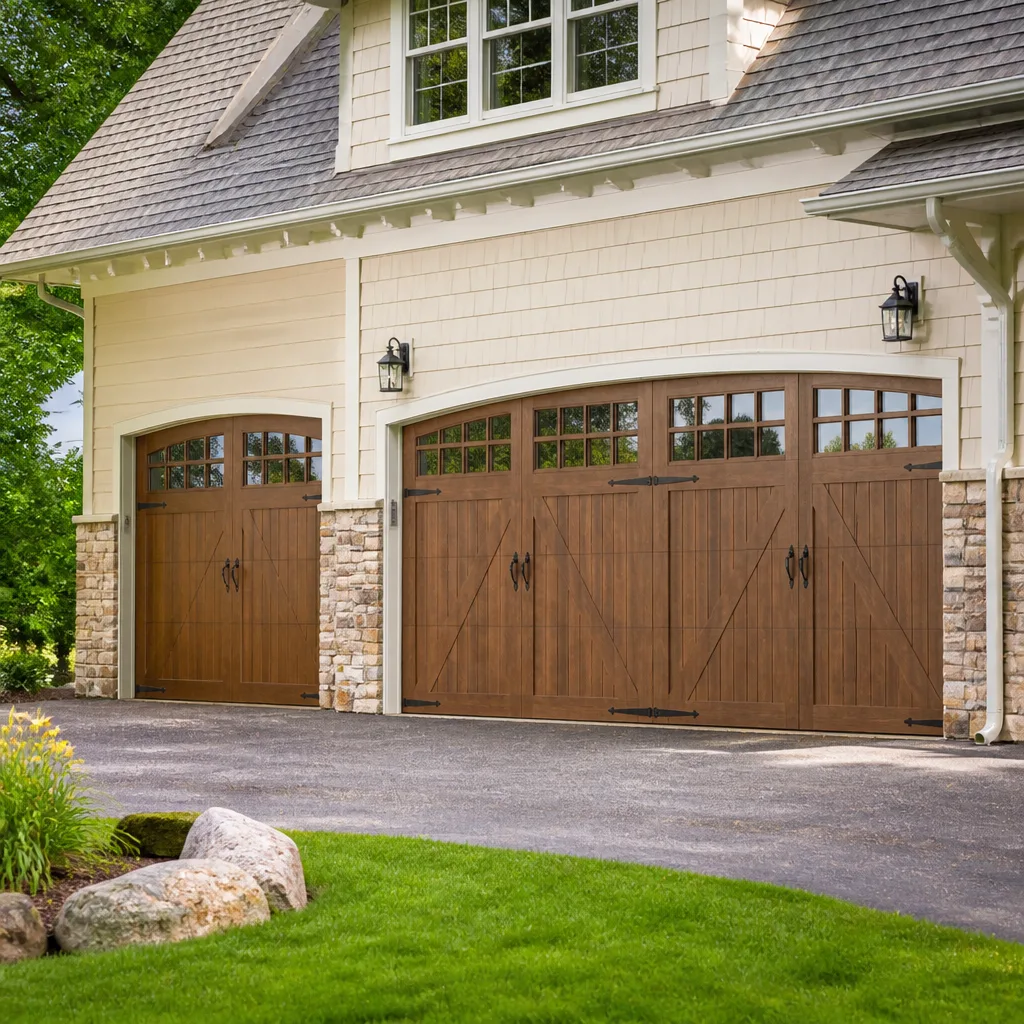 Carriage house
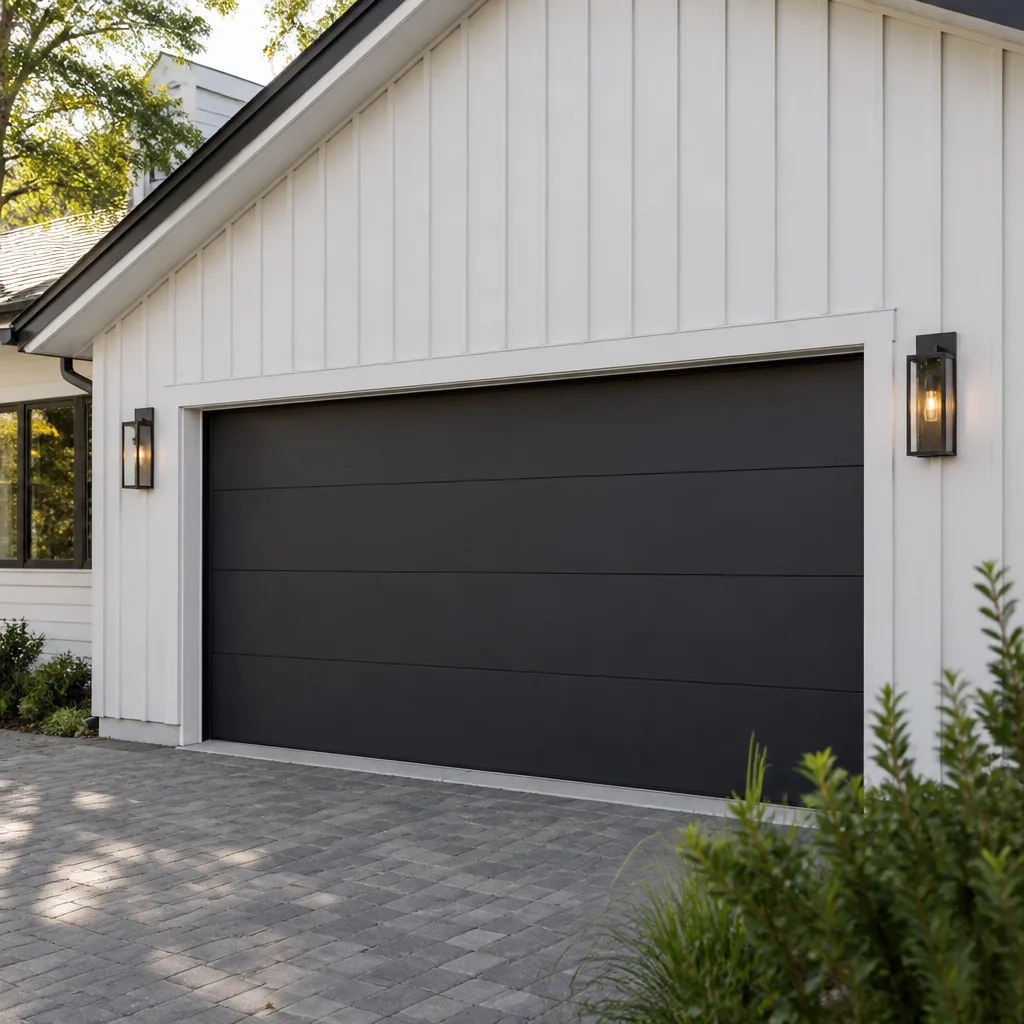 Modern flush
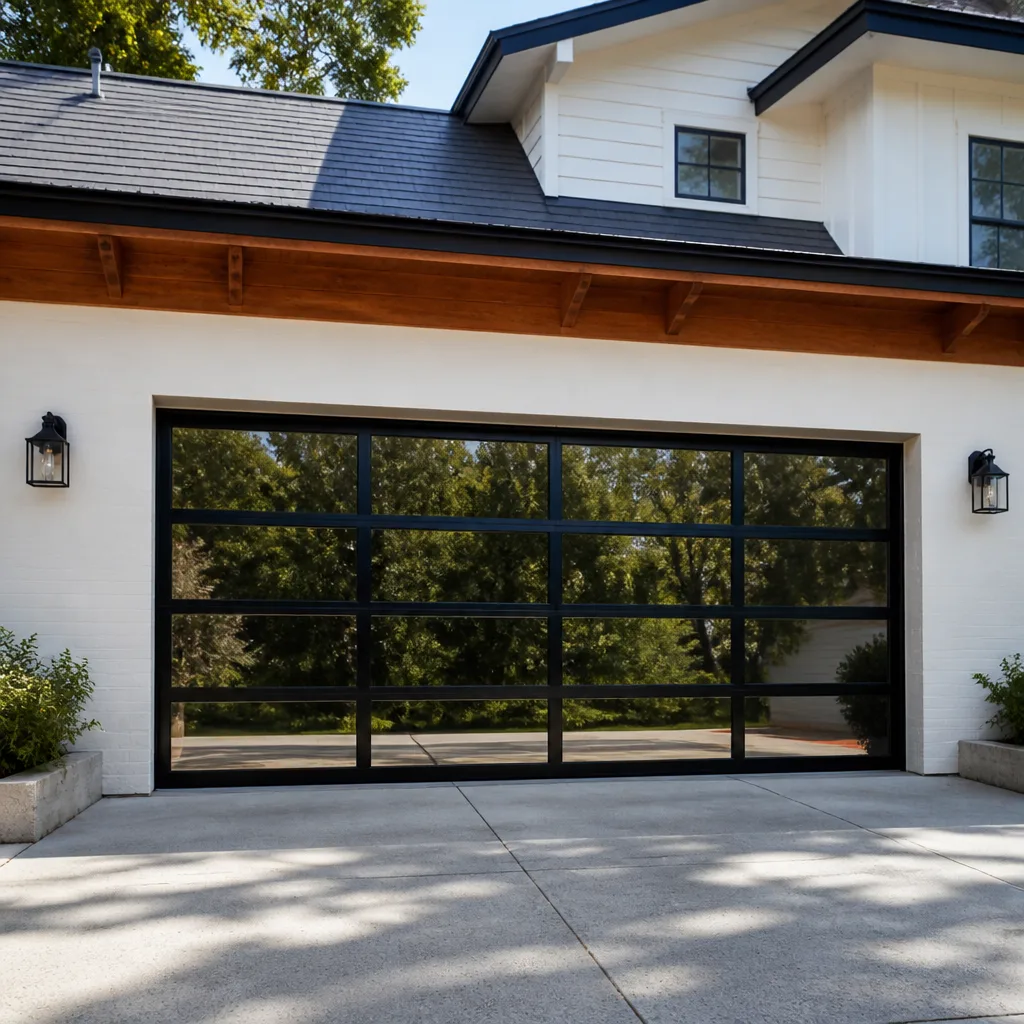 Full-view glass
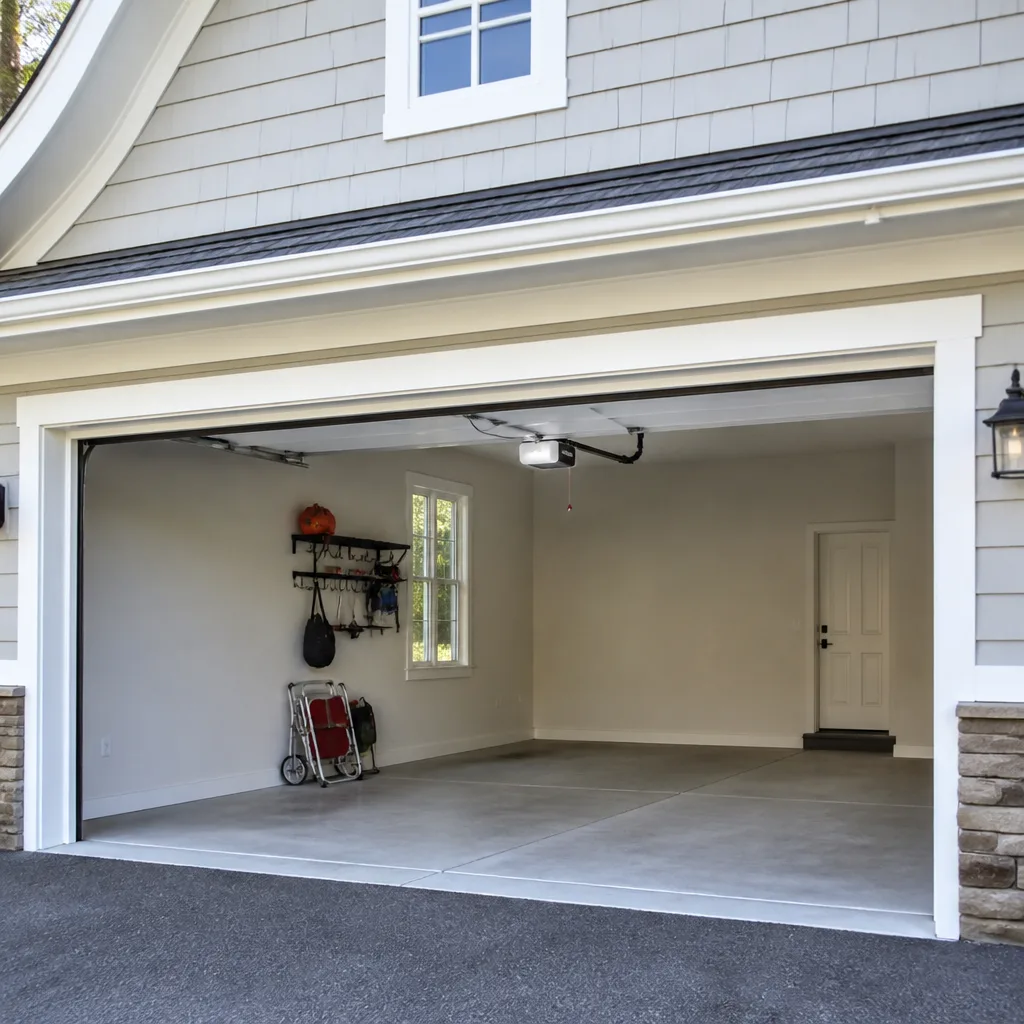 LiftMaster openers
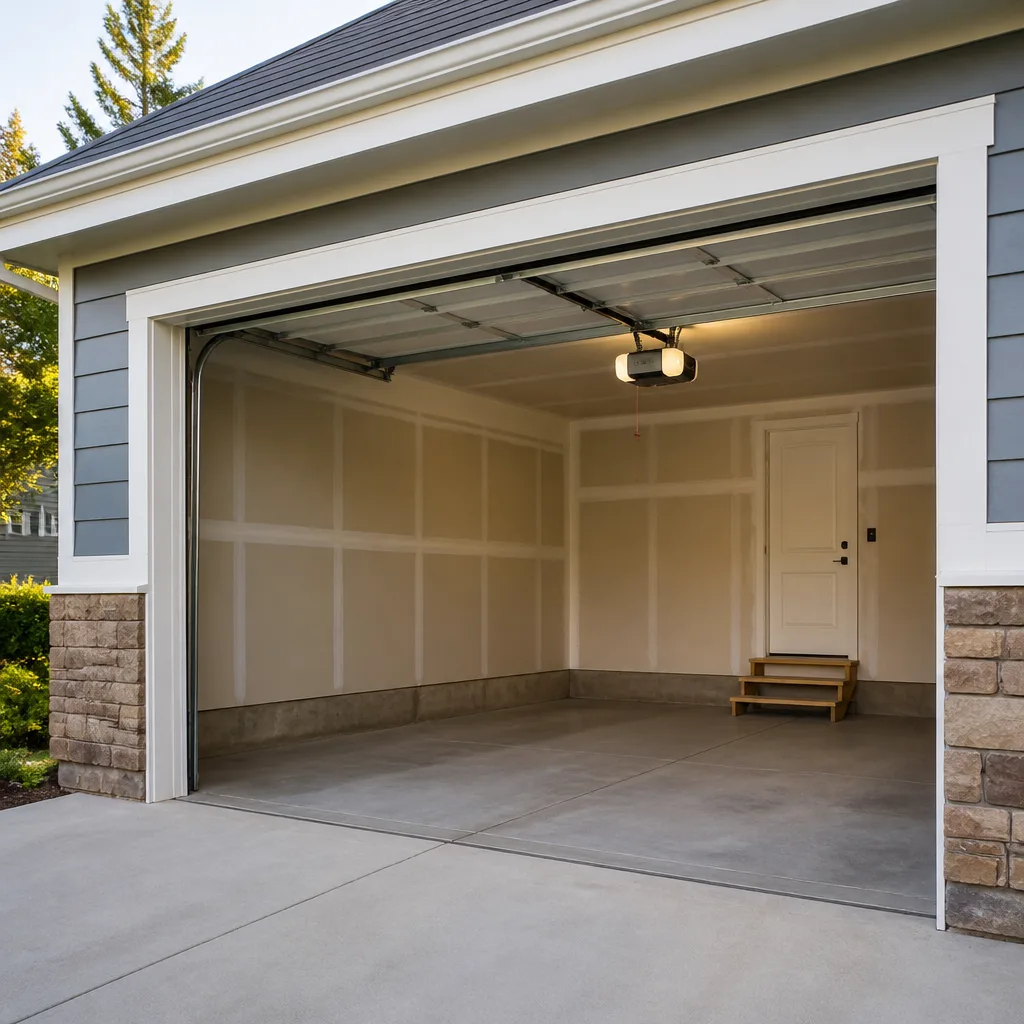 Chamberlain openers
Full 25-point door and opener safety check with every visit - springs, cables, rollers, tracks, and your LiftMaster or Chamberlain opener included
You get a price before we start. It does not change when the pro arrives.
Get your free estimateHow to Hire a Garage Door Contractor in Plainfield: A Step-by-Step Guide
Most homeowners hire a garage door contractor the way they hire a plumber: they find whoever answers first and hope for the best. That works fine for a running toilet. It doesn’t work for a 200-pound door carried by high-tension springs, operated dozens of times a week, right through a Plainfield winter. The distinction matters because the questions that expose a real door specialist are different from the questions that expose a bad general contractor. In this guide, we walk through exactly how to hire a garage door contractor in Plainfield: the five technical questions to ask before you schedule, what Illinois licensing and insurance actually mean for this trade, how to compare quotes that spec different component grades, and the red flags specific to this local market. It’s written from the perspective of a company that does this work every day.
Styles & brands we work with
- Raised-panel steel
- Carriage house
- Modern flush
- Full-view glass
- LiftMaster openers
- Chamberlain openers
Quick Answer
Hiring a garage door contractor in Plainfield means asking technical questions a generalist can’t answer on the spot, confirming the contractor carries general liability and workers’ comp insurance, and comparing quotes line by line on spring grade, roller type, and opener model rather than on bottom-line price alone. A true specialist calculates spring sizing from the door’s weight and height, recognizes the brand already installed in your garage, and puts a written scope of work in front of you before any labor starts. If a contractor can’t discuss those three things clearly, keep calling.
Table of Contents
- The One Question That Separates a Specialist From a Generalist
- The Five Technical Questions to Ask Before You Schedule
- Illinois Licensing and Insurance: What Actually Matters
- How to Compare Garage Door Quotes Accurately
- Red Flags Specific to the Plainfield Market
- What a Written Scope of Work Should Include
- Why Plainfield Winters Test the Installer’s Work
- The Hiring Process, Step by Step
- Common Mistakes to Avoid
- When to Call a Professional
- Frequently Asked Questions
- The Bottom Line
The One Question That Separates a Specialist From a Generalist
Here’s the single question that will tell you more than any review or sales pitch: ask what torsion spring size your door needs. A garage door specialist can answer without seeing it first. They’ll ask you the door’s height and width, roughly what it’s made of (steel, wood, aluminum), and whether it has windows, then calculate the wire gauge and inside diameter the spring should be. That math is what every spring replacement depends on, and it’s the math a true door technician does in their head before the truck ever rolls.
A generalist will say something like “I’d have to come out and look at it.” That sounds responsible. It isn’t. It’s a signal that springs are outside their normal work, and they’re hoping the door’s original spring still has a legible tag or that they can just measure whatever’s on the door and match it. Matching a worn spring is how doors end up with the wrong tension, which is exactly what shortens the door’s life and puts stress on the opener.
Ask that question on the phone, before you commit to a visit. If the person on the other end of the line can walk you through spring sizing, you know you’re talking to someone who repairs doors for a living, not someone who fills gaps between handyman jobs. That one question is why we lead with spring repair as a dedicated service – it’s not something we fit in around other work. It’s the reason garage door spring repair is treated as a high-tension, safety-critical specialty rather than a routine fix.
If they clear that bar, you’re talking to the right kind of contractor. If they don’t, keep dialing. The rest of this guide builds on that first filter – the questions below go deeper.
The Five Technical Questions to Ask Before You Schedule
These five questions, asked in sequence, will take about five minutes on the phone and tell you everything you need to know about whether you’re hiring a specialist. A knowledgeable answer is specific. An evasive answer is a sale.
- What spring size does my door need? A specialist asks about height, width, and door material, then gives you a wire gauge and inside diameter. A generalist tells you they need to see it. The specialist may still need to verify once on-site, but they can calculate an estimate before they arrive.
- What’s the brand of opener in my garage? If you tell them it’s a LiftMaster or a Chamberlain, they should recognize the ecosystem immediately – the wall control style, the safety sensor setup, the way the motor couples to the rail. If you tell them it’s a Genie or Raynor, they should know those systems too. Brand fluency isn’t a marketing line; it’s the difference between replacing one part and replacing three because the installer guessed.
- What grade of torsion spring do you install? All springs aren’t created equal. A standard cycle spring will get a fraction of the cycles of a high-cycle spring. Neither is wrong – but a specialist can tell you which they’re installing and why. A generalist will say “a good spring” and leave it there.
- Do you install nylon rollers or steel? The rollers on your door take a beating. Nylon rollers are quieter and last considerably longer. Steel rollers are cheaper but noisier and wear out faster. A contractor who specs the cheaper option to make the bid look lower is telling you something about how they manage the whole job.
- How do you secure a door that’s come off its track? A door off its track is dangerous – the springs are still loaded. Anyone worth hiring will describe a safe process: don’t force the door, don’t try to lift it back into the track, and don’t cut anything under tension. Anyone who says “that’s a quick fix, I can be there this afternoon and get it back on” without asking anything else might be a risk. Safety language is a sign of an actual specialist.
The pattern is consistent: specialists give specific answers, generalists give vague ones. If the person on the phone can’t answer any one of those five, hang up and try the next number. That is the entire filter, and it’s worth more than any review count.
Illinois Licensing and Insurance: What Actually Matters
Garage door installation and repair in Illinois is often misunderstood by homeowners, because there isn’t a single statewide trade license specific to garage door work the way there is for electricians or plumbers. That doesn’t mean nobody’s regulated – it means the responsibility for checking falls on you. What matters is confirming the contractor carries general liability insurance and workers’ compensation insurance before anyone touches your door.
General liability covers damage to your home or property if something goes wrong. Workers’ comp covers the technician if they’re injured on your property. Without both, a mistake or an injury could become your problem. Ask for a certificate of insurance – a real contractor will email it without hesitation.
- General liability: should cover the full value of the job and any property damage. Confirm the coverage amount.
- Workers’ compensation: non-negotiable if the contractor uses employees. Ask specifically.
- Local business registrations: some municipalities require a local business registration or permit for certain work. Call the City of Plainfield building department to ask what applies to your project.
- Written confirmation: a verbal “yes, we’re insured” isn’t worth the paper it isn’t printed on. Get the certificate before you book.
Here’s the honest reality: a lot of the crews that show up after a storm or a bad batch of door failures work without insurance. They may be skilled, but if something goes wrong, you’re exposed. The state-licensed, insured contractor is the one you can hold accountable. Ask for proof, keep the certificate, and don’t let anyone start working in your garage until you’ve seen it.
When the job itself involves a heavy, spring-loaded system that can seriously injure someone, ask for proof of insurance before you hand over a single dollar for an estimate. A contractor who won’t provide it isn’t a contractor you can trust with a garage door repair job that might go wrong.
How to Compare Garage Door Quotes Accurately
Two quotes can have the same bottom-line number and be worth totally different amounts. That’s because garage door components vary widely in grade, and a cheap quote usually gets there by downgrading something you won’t notice until it fails. Comparing quotes requires comparing line items, not totals.
What to look at on every quote:
- Spring grade and cycle rating: a standard spring and a high-cycle spring look almost identical but perform very differently. Ask for the cycle rating in writing.
- Roller type: nylon vs. steel. Cheap steel rollers save the contractor a few dollars and cost you quiet operation and years of life.
- Opener model, not brand: “LiftMaster” covers a wide range of models. Be sure you know which model is spec’d, its horsepower, belt or chain drive, and whether smart-home features are included.
- Hinge and bracket quality: these wear items are often swapped out for lower-quality parts without you noticing.
- Labor: shown separately, with a clear description of what’s included.
- Disposal: old door, spring, or opener removal should be stated. If it’s not, ask who takes it away.
- Warranty terms: labor and parts warranties are separate. Get both in writing.
When you look at the numbers, ask: “What brand and model of spring, roller, and opener are in this quote?” A real contractor will answer without hesitation. A generalist will scramble, because they haven’t specified. Our approach is to write it all down before you sign, so you’re comparing identical specs, not just totals.
One more thing worth checking: some quotes will lump parts and labor into one number. Ask them to break it out. It forces the contractor to show their work, and it gives you a benchmark if you decide to get a third quote later.
Red Flags Specific to the Plainfield Market
Plainfield’s growth pattern has created a specific set of hazards in the garage door hiring market that don’t exist in older, slower-growing communities. The most important: after severe weather events or a wave of door failures around the same neighborhood, out-of-area crews appear with flyers and door-knock pitches. They may be competent. They may not. The problem is you can’t tell in advance, and by the time a warranty issue surfaces, they’re unreachable.
Watch for these signals:
- Door-knocking or same-day discount offers after storms: a crew that appears because a big storm rolled through and offers an immediate discount has decided the work is worth leaving the previous job for. That’s not a guarantee of quality, but it’s a signal they’re optimized for volume, not long-term accountability.
- No local address or business page that predates the storm: a business card with only a cell number and no verifiable local history is a warning sign.
- “We can start today, we just need a deposit”: urgency plus a large upfront payment is the classic storm-chaser pattern. Legitimate garage door contractors don’t need large deposits for standard repairs.
- Vague warranty language: “Warrantied” without specifics is meaningless. Ask for the terms on paper.
- No interest in the brand already in your garage: a specialist recognizes the LiftMaster or Chamberlain unit in your garage. A generalist treats it as generic hardware.
- Quotes without a site visit or with an inflated estimate after the site visit: a specialist can give a solid estimate after asking a few questions. A generalist quotes low, then “discovers” problems on-site.
None of these are automatically deal-breakers – some out-of-area crews are perfectly good. But they require more vetting, not less. If a contractor can’t show you a local business presence and can’t give a technical answer to any of the five questions, keep looking. Plainfield has plenty of homeowners who’ve learned that the hard way; you don’t have to be one.
What a Written Scope of Work Should Include
A written scope of work is your protection. It’s the document that says exactly what the contractor will do, with what materials, for how much – and it’s the thing that prevents a “we found a problem” surprise halfway through the job. Before you sign anything, make sure it includes these elements.
- Specific brands and models for every part being replaced or installed. Not “a spring,” but “high-cycle torsion spring, 2-inch inside diameter, cycle rating X.”
- Labor description. What’s being removed, what’s being installed, what’s being adjusted. “Repair door” is not a scope of work. “Replace torsion spring and rebalance door” is.
- Post-work testing and adjustment. Safety reverse test, balance test, opener force calibration. These should be listed as line items or described in a service-delivery note.
- Cleanup and disposal. Who takes the old door, old spring, and old opener away. It’s not a small detail – disposal fees can be substantial.
- Warranty terms for parts and labor, separately. Length, what it covers, and what voids it. Get it in writing.
- Payment schedule. Down payment, progress payment, final payment. A specialist shouldn’t require a large deposit for common repairs.
- Change-order process. If the contractor discovers an issue, how is it priced and approved before work continues? You should be told about any extra cost and agree to it before it happens.
Ask for the scope of work before you sign anything. If a contractor won’t provide a written one, that alone is enough to keep looking. A written scope protects both of you: you know exactly what you’re paying for, and they know exactly what they’re responsible for.
If you’re installing a new door, the scope of work should include the rough opening measurements, the exact door model and color, panel and window options, and the opener model. This is the difference between a Plainfield installation that holds up for fifteen years and one that needs adjustment every spring.
Why Plainfield Winters Test the Installer’s Work
Plainfield winters are hard on garage doors. The freeze-thaw cycle that runs through most of Will County and the surrounding area causes the panels to expand and contract, which stresses hinges, rollers, and the door itself. A door that was set up loose in the summer will start to sag and bind once the temperature drops. A door that was installed with cheap hardware in a mild season will start to rattle and stick by January.
That’s why the quality of the installation matters more here than in warmer climates. A generalist who installs a door the way they’d install it in Florida will have a customer calling back in three months with a door that won’t close properly. A specialist knows to check the balance point, set the right spring tension for the door’s weight, and make sure the track is plumb so the door doesn’t fight its way down in cold weather.
Here’s the practical version for hiring: ask the contractor about their installation process in winter conditions. Ask whether they adjust the springs for seasonal temperature ranges. Ask whether they account for the way cold affects the track. If they look at you blankly, that’s your answer. The right installer in Plainfield knows the door has to work on the coldest morning of the year, not just on the day it’s installed.
This is also the reason we recommend against hiring a contractor who only shows up for installs and disappears when something goes wrong. The work that holds up is the work that was tailored to the climate in the first place.
The Hiring Process, Step by Step
Here’s the whole hiring process in order, from the first phone call to the signed scope of work. Follow the steps and you’ll have a solid contractor on the job; skip them and you’re taking your chances.
- Start with the phone filter. Call two or three contractors and ask the five technical questions from the earlier section. Eliminate anyone who can’t answer them.
- Request proof of insurance. Ask for a certificate of general liability and workers’ compensation coverage. Verify the coverage amounts and confirm they’re current.
- Request a written estimate. Not a verbal quote, not a text message – a written estimate that breaks out parts, labor, and disposal.
- Compare line items, not totals. Check spring cycle rating, roller type, opener model, and warranty terms on every quote. Ask about any item that isn’t clearly specified.
- Ask for local references. A contractor with a real local presence can give you a Plainfield address they’ve worked at recently. Ask if you can call the homeowner. If they won’t provide references, that’s a red flag.
- Get the scope of work in writing. Make sure it includes brand and model numbers, labor description, cleanup and disposal, warranty terms, and a change-order process.
- Schedule the work, and confirm the final price before the first day. Any reputable contractor will confirm the exact cost in writing before starting. If something changes once they’re on-site, they should stop and get your approval first.
That’s it. The whole process takes an afternoon of phone calls, and it saves you from the calls you’d otherwise be making three months from now. If you’re working through this list and want a specialist who can answer every one of those questions on the spot, that’s exactly what Garage Door Repair Plainfield Pros is here for. Our technicians have up to 8 years of experience and have worked on the LiftMaster, Chamberlain, Genie, and Raynor systems most often found in Plainfield garages.
One thing worth noting: for installations, make sure you schedule the work far enough in advance. Installation isn’t a same-day project – it’s measured, ordered, and scheduled. A contractor who promises same-day installation without seeing the door first is either guessing or cutting corners. Plan on a measure-and-quote visit, an order window, and an install day. That’s how a job actually goes.
Common Mistakes to Avoid
- Hiring on price alone. The cheapest quote is often cheap because the contractor is using lower-grade springs, steel rollers, or a low-end opener. Those parts fail sooner, and the contractor is often gone by the time you notice. Compare line items, not totals.
- Skipping the insurance check. A lot of homeowners don’t ask for a certificate of insurance because they assume every contractor is covered. Many aren’t – especially the storm-chaser crews that appear after severe weather. Ask before you book.
- Believing the “same-day” phone promise on a full door replacement. A full door install involves measuring, ordering, and scheduling. A contractor who says they can do it all today before seeing your door is selling urgency, not a real plan.
- Not reading the warranty terms. A verbal “it’s covered” isn’t a warranty. Ask for parts and labor warranties in writing, with the length and what voids coverage spelled out.
- Forgetting to check the spring cycle rating. Two springs can look identical and last dramatically different amounts of time depending on their cycle rating. If the quote doesn’t spec it, ask for the number in writing.
- Scheduling a repair without confirming the price cap. Any reputable contractor will confirm the final price, in writing, before the first turn of a wrench. If the price changes on the day of the job, make them stop and show you why.
- Ignoring local references. A contractor who can’t give you a Plainfield address they worked at recently hasn’t been in the area long. Plainfield’s growth has brought in a lot of transient contractors, and local references are how you separate them out.
When to Call a Professional
Some garage door problems are predictable and safe to leave alone for a few days. Others aren’t. Call a professional right away if the door is stuck halfway and won’t budge, if you hear a loud snap from the springs, if the door comes off its track, or if the opener runs but the door doesn’t move. Call right away if the springs are visibly broken or the door slams closed instead of lowering slowly. Call right away if the door is sagging at one corner, if the opener’s safety reverse stops working, or if the door bounces or hesitates during travel. Call right away if the torsion spring is still under tension and you suspect it’s failing – this is a serious safety issue, not a weekend project. High-tension springs can cause serious injury, and any repair that involves unloading one needs a trained technician with the right tools.
Garage Door Repair Plainfield Pros offers free estimates in Plainfield – call (877) 792-6208. Our technicians have up to 8 years of experience and work on the brand already in your garage, whether that’s a LiftMaster, Chamberlain, Genie, Raynor, or one of the other major systems in the area.
Frequently Asked Questions
Most garage door repairs in Plainfield fall in the low hundreds of dollars for common fixes like roller or hinge replacement, and higher for spring repair or opener replacement. Spring work is often the most expensive repair because it’s a safety-critical, high-tension job. We give a written estimate before any work begins, so you know the price up front. Call (877) 792-6208 for an exact quote – estimates are free.
Ask what torsion spring size your door needs. A specialist can calculate it from your door’s height, width, and material before they see it. A generalist will tell you they need to come out and look. That’s the fastest single test. Follow it with the four other questions in this guide, and you’ll know within five minutes whether you’re talking to the right contractor.
Some repairs and most full door replacements require a permit. The rules vary by municipality and by the scope of the work, so the reliable answer is to call the City of Plainfield building department and ask specifically about your project. A professional contractor will tell you whether a permit is needed and can help you file. If a contractor tells you “no permit is ever needed” without checking, that’s a red flag.
Spring lifespan is measured in cycles, not years. A standard spring is rated for a specific number of cycles, and a high-cycle spring is rated for significantly more. The number of cycles a door completes per day determines how long it lasts. If your door opens and closes ten times a day, a standard spring will wear out faster than if it’s used twice. Ask for the cycle rating in writing on any quote.
You can, but check for local references and a verifiable business presence. Out-of-area crews that appear after storms are the biggest risk in the Plainfield market. If they can’t give you a local address they worked at recently and can’t answer the technical questions, keep looking. Local contractors are easier to hold accountable when something goes wrong.
Garage door work in Illinois doesn’t have a single statewide trade license the way electrical or plumbing does, so homeowners need to verify general liability and workers’ compensation insurance directly. Ask for a certificate of insurance before booking. The local pro who comes to your door should be licensed and insured as their state requires, and they’ll provide proof when you ask. Call (877) 792-6208 to schedule a free estimate.
The Bottom Line
Hiring a garage door contractor in Plainfield comes down to five questions, one insurance certificate, and one written scope of work. Ask about spring sizing, brand familiarity, spring grade, roller type, and how they secure an off-track door. Get proof of general liability and workers’ compensation insurance. Compare quotes line by line, not by the bottom number. And when you’re ready to schedule for a Plainfield home, make sure the contractor can put the specific parts, models, and warranty terms in writing before the first day. The right contractor will answer all of that without hesitation. The wrong one will tell you they need to come look at it. Our technicians have up to 8 years of experience and work on the brand already in your garage. We handle garage door repair, garage door opener repair, and spring repair as core services, and we’re ready when you are. Call (877) 792-6208 for a free estimate.
Written by the team at Garage Door Repair Plainfield Pros.
See the difference
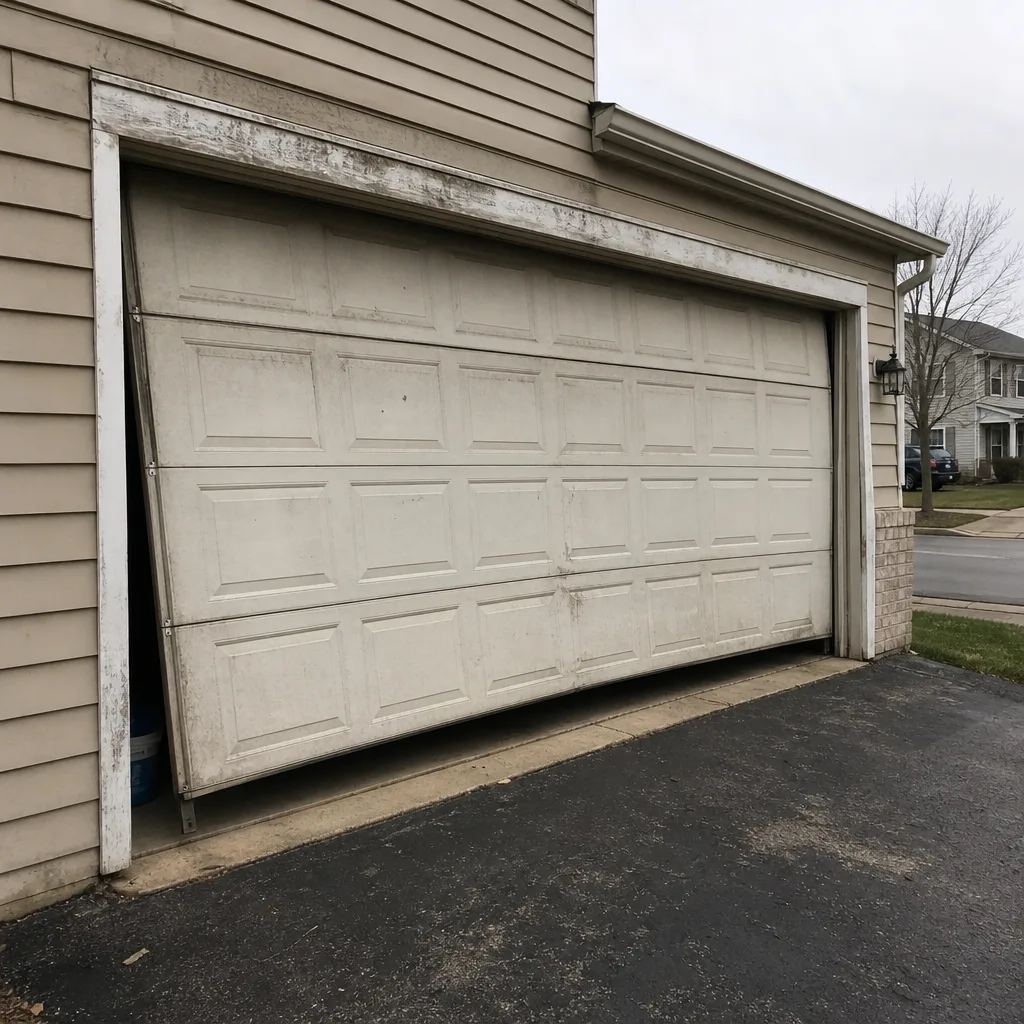 Before
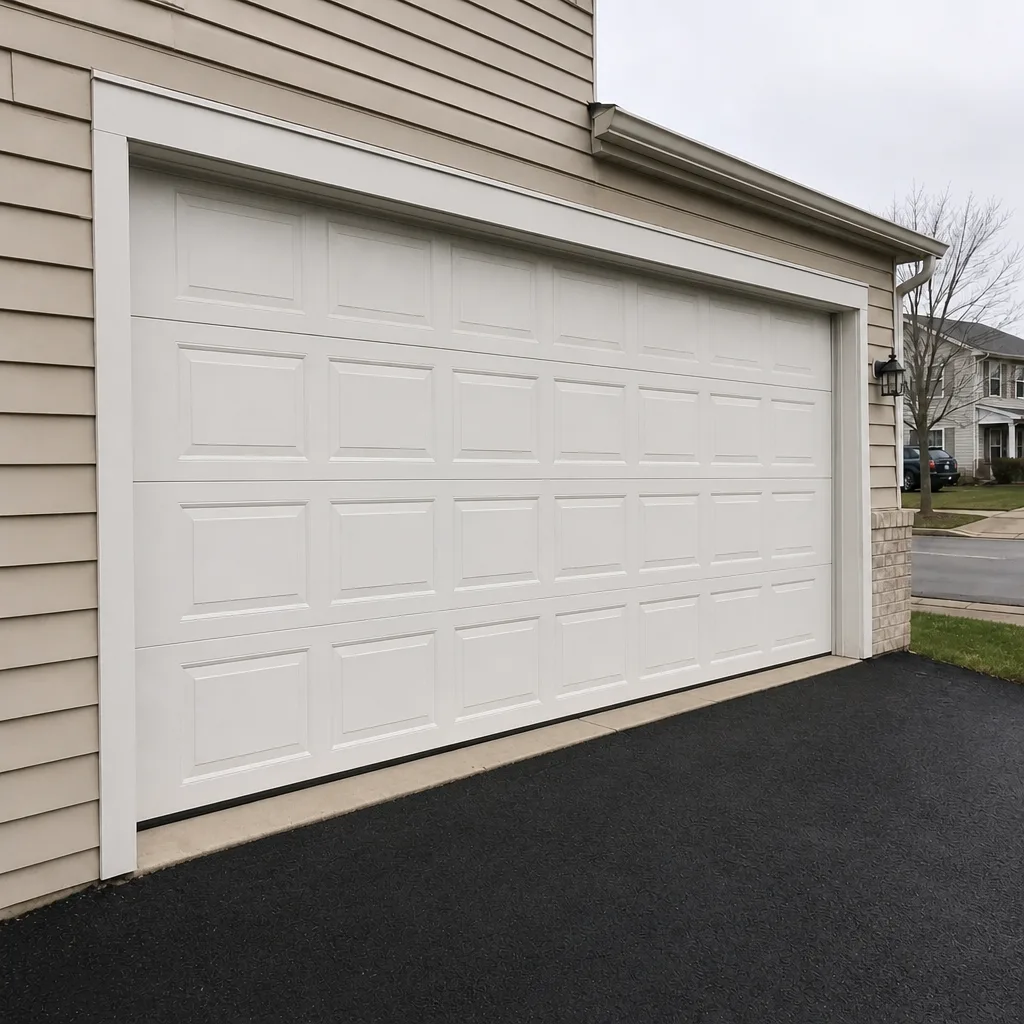 After
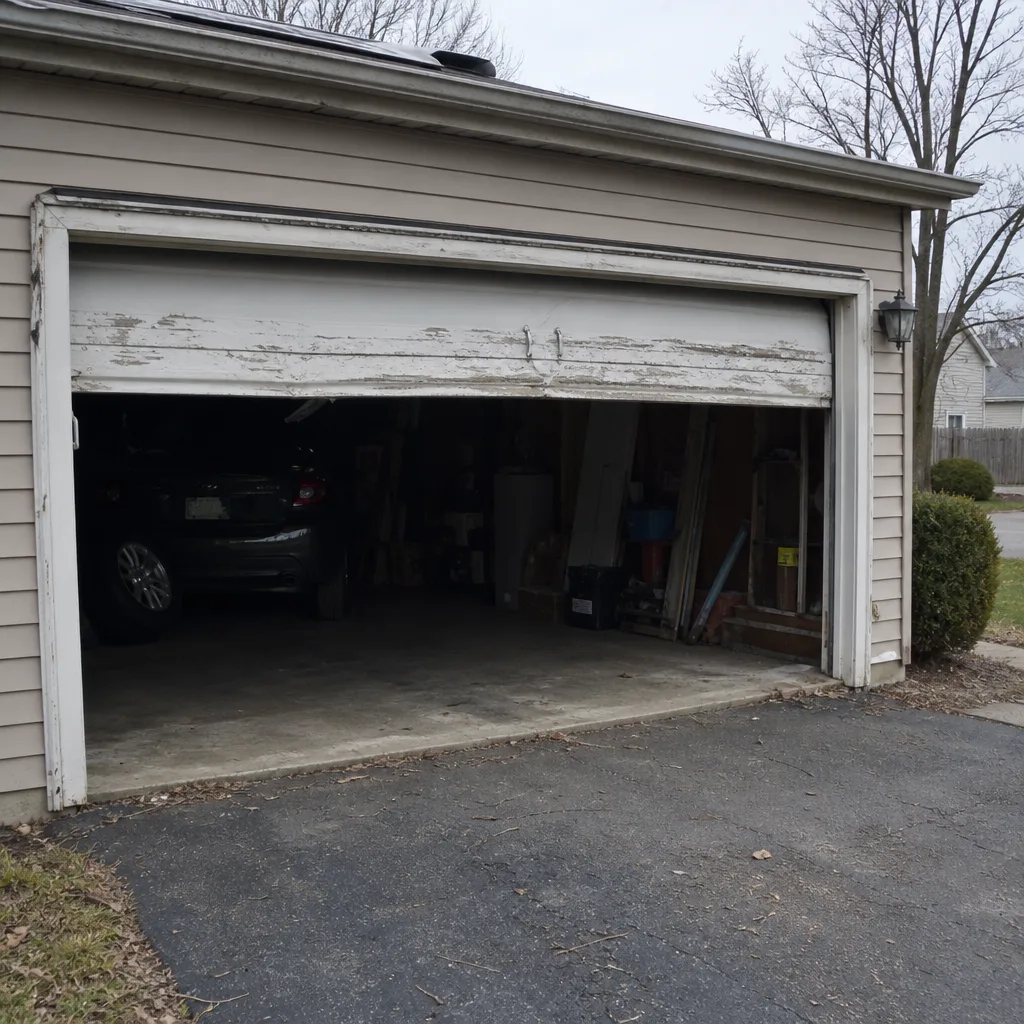 Before
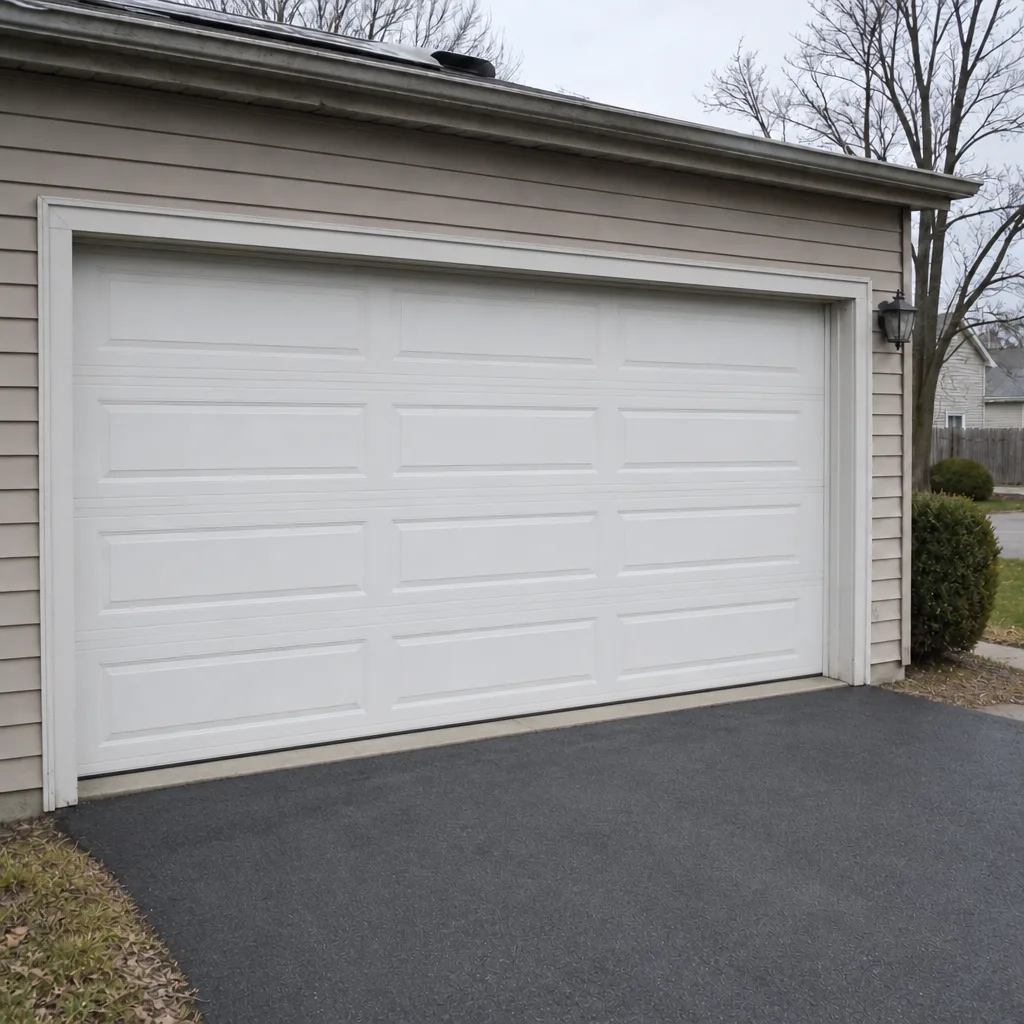 After
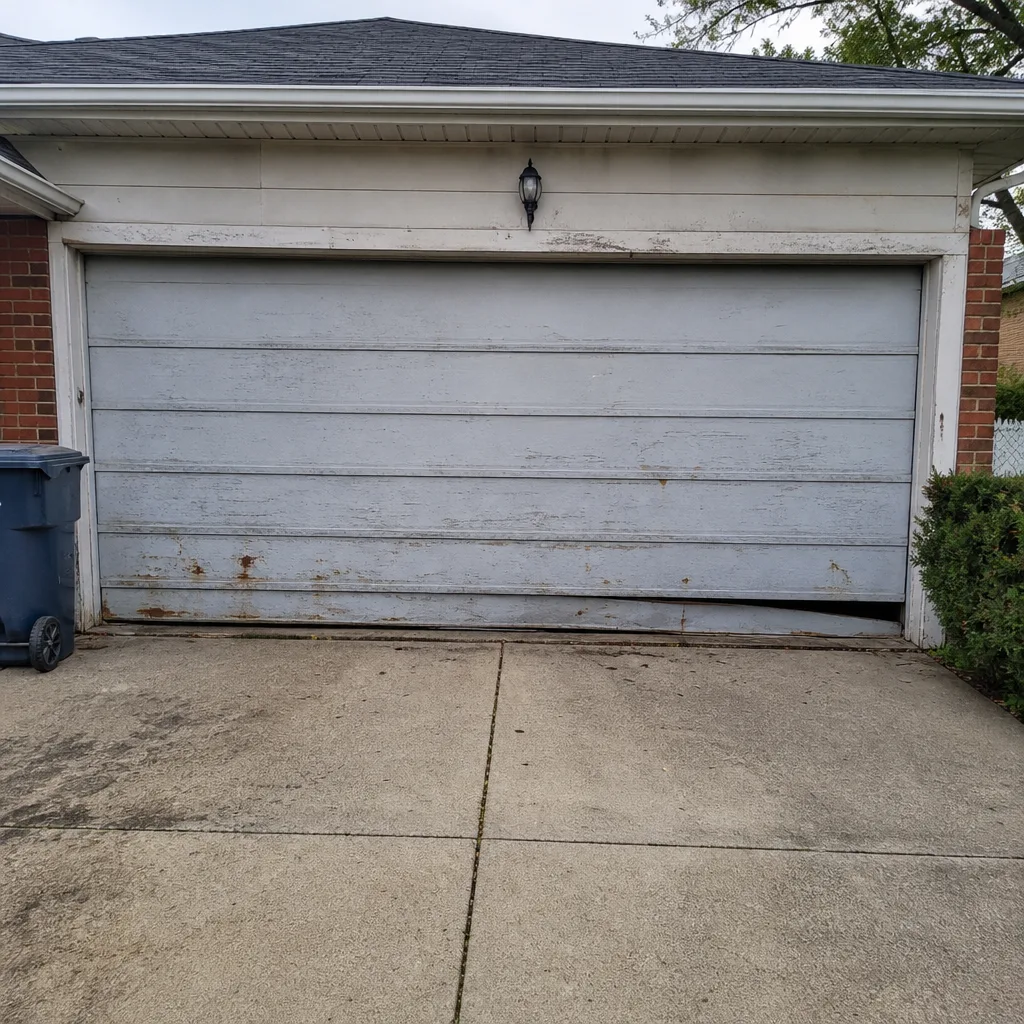 Before
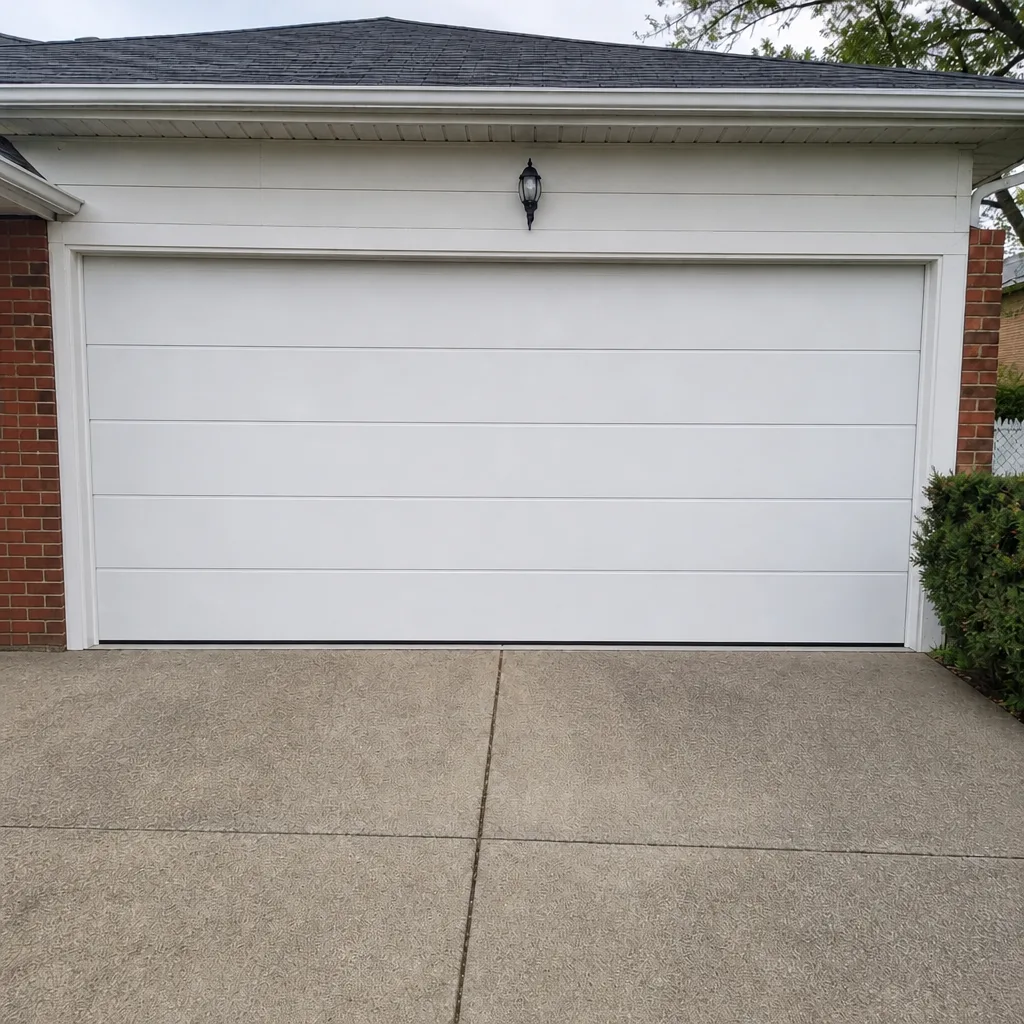 After