Last updated November 22, 2026
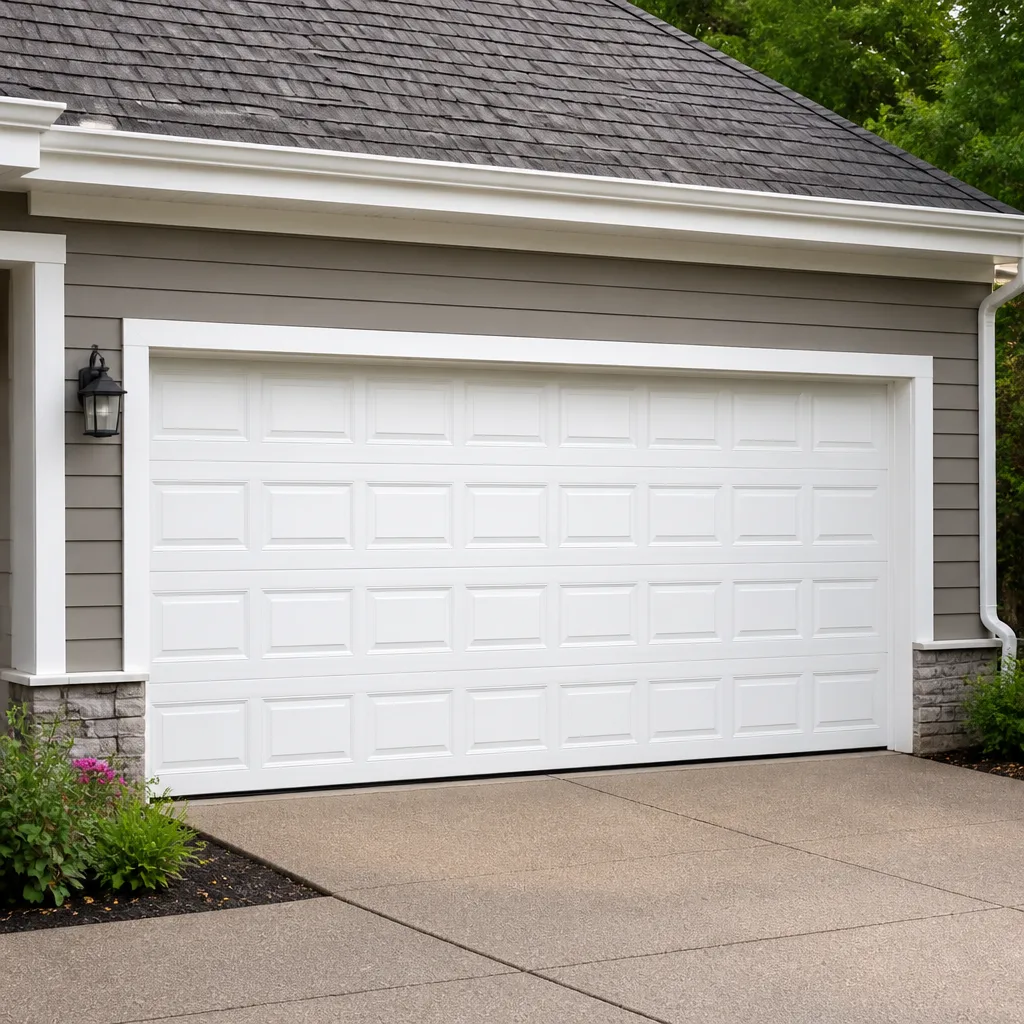 Raised-panel steel
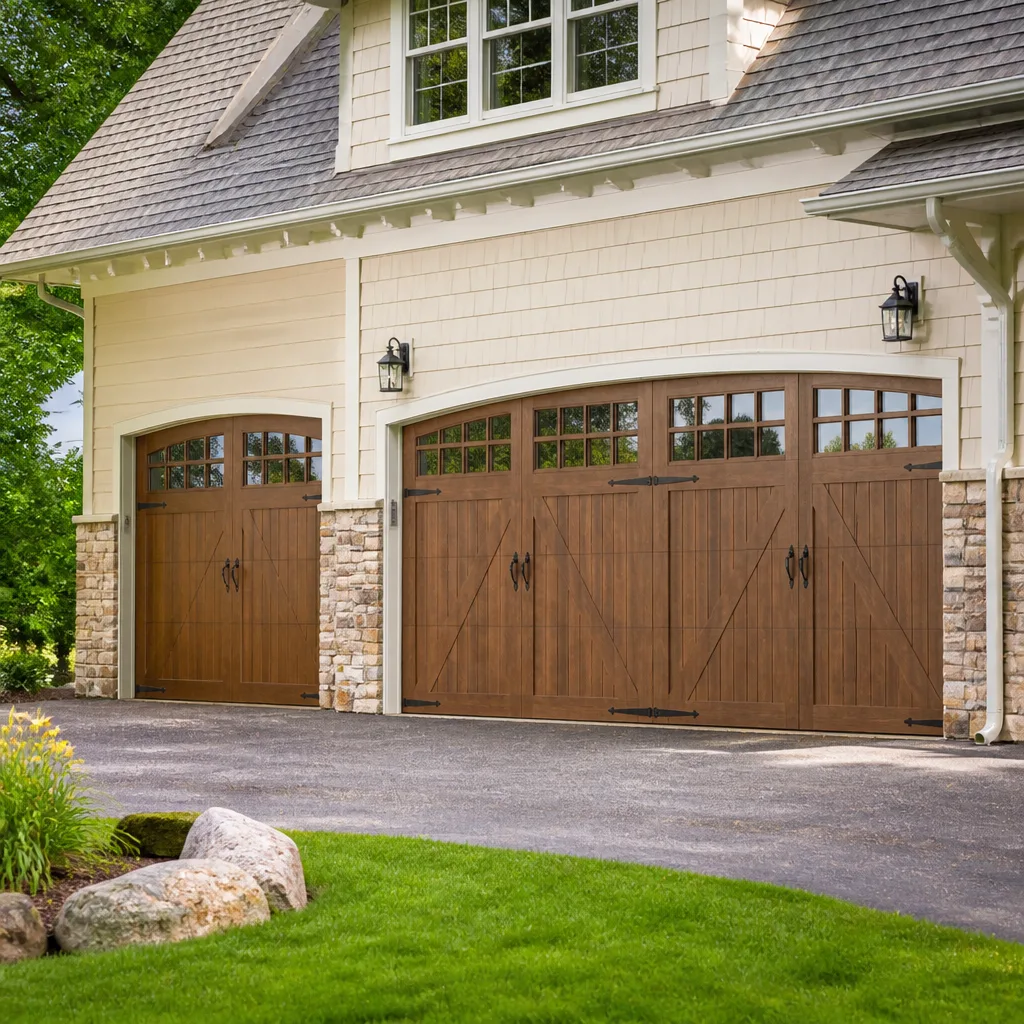 Carriage house
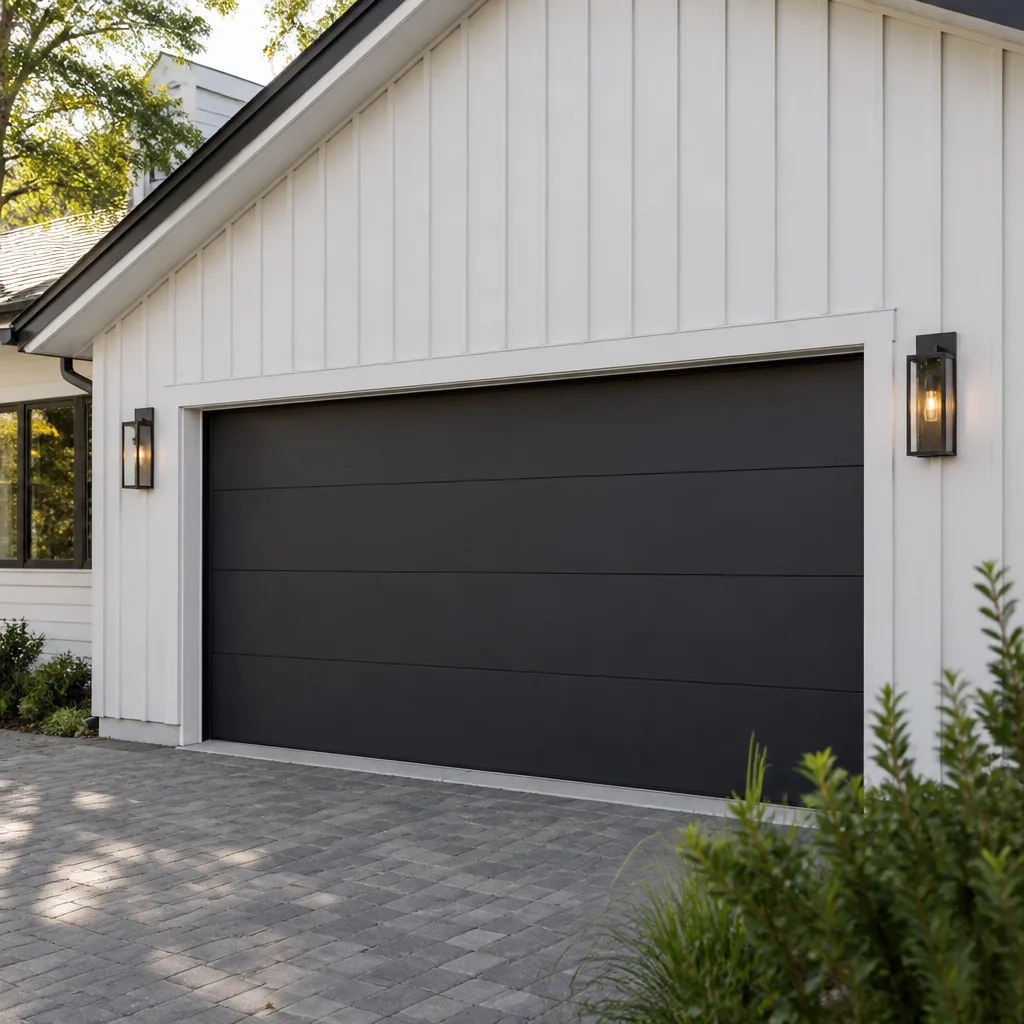 Modern flush
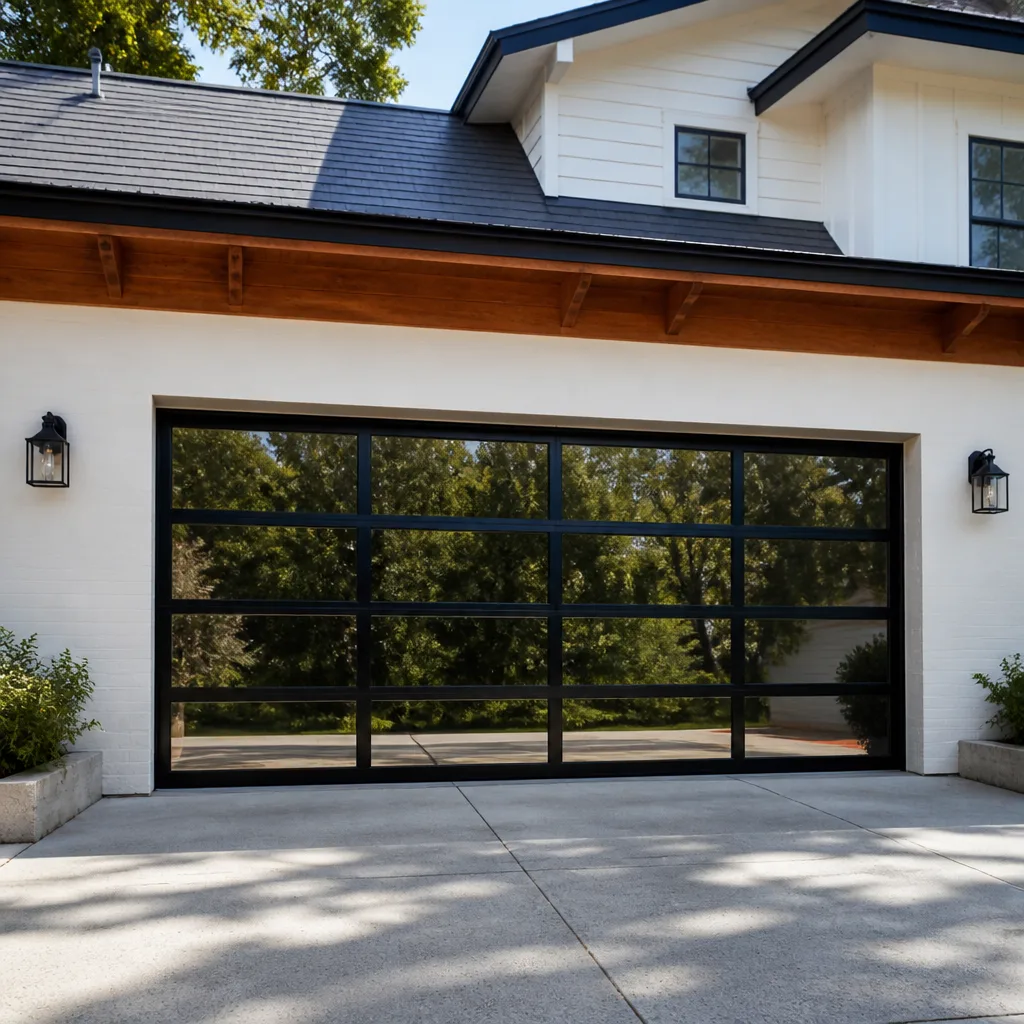 Full-view glass
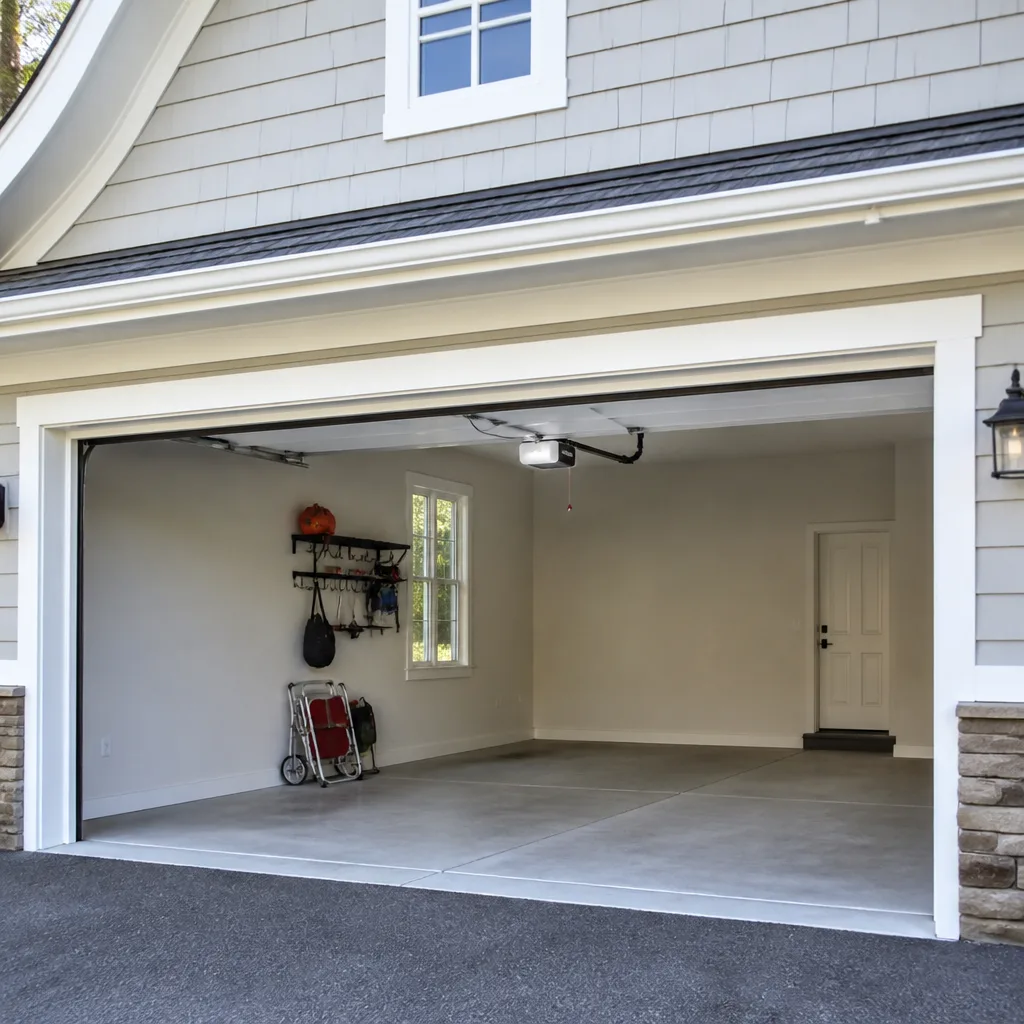 LiftMaster openers
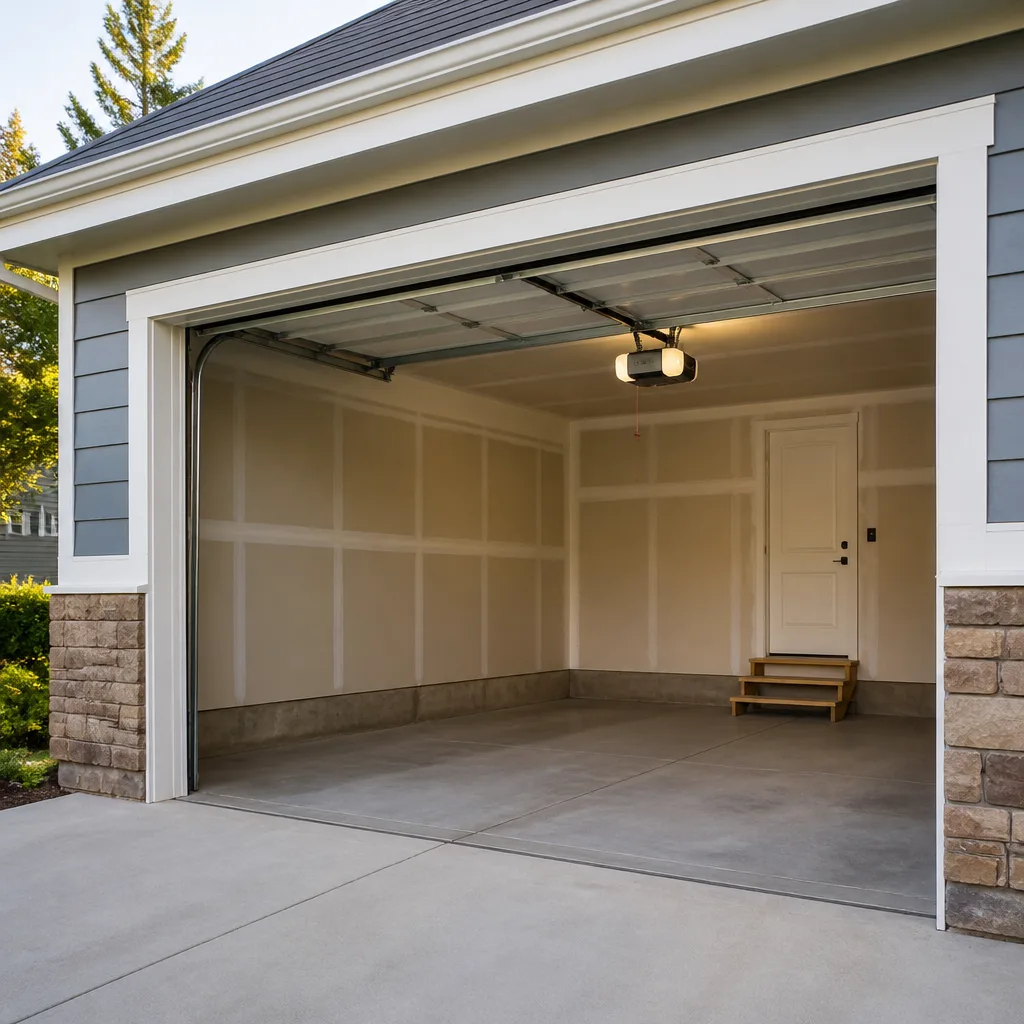 Chamberlain openers
Full 25-point door and opener safety check with every visit - springs, cables, rollers, tracks, and your LiftMaster or Chamberlain opener included
You get a price before we start. It does not change when the pro arrives.
Get your free estimateDIY vs Professional Garage Door: The Plainfield Homeowner’s Decision Guide
Most homeowners assume the only question is whether they’re handy enough. That’s the wrong question. A garage door is a balanced system under serious stored force, and the repair tasks split cleanly into two groups: the ones an attentive homeowner can handle and the ones that can put someone in the hospital. Conflating the two is why people either overspend on jobs they could’ve done themselves or take on spring and cable work that genuinely shouldn’t be touched without training. In this guide we’ll walk Plainfield homeowners through a task-by-task breakdown, the actual physics behind the danger line, when DIY really saves money, and how partial DIY works in practice.
If you’re already dealing with a door that won’t move, start with Garage Door Repair Plainfield Pros and come back to the strategy later.
Quick Answer
Safe DIY jobs are cosmetic and low-tension: dent repair on a steel panel, weatherstripping, lubrication, and programming a remote. Torsion spring work, cable replacement, and track realignment under load require a trained technician because the stored energy in a wound spring can cause severe injury in an instant. Everything else sits in between and depends on your tools, your comfort level, and whether the job is diagnostic or mechanical.
Styles & brands we work with
- Raised-panel steel
- Carriage house
- Modern flush
- Full-view glass
- LiftMaster openers
- Chamberlain openers
Table of Contents
- The Task-by-Task Breakdown
- Why Torsion Springs Are a Hard Boundary
- Does DIY Actually Save Money in Plainfield?
- What Partial DIY Looks Like
- Illinois Liability and the DIY Door
- How Plainfield Conditions Affect the Decision
- Opener and Smart-Home Programming: Where DIY Usually Works
- Brand Matters More Than You Think
The Task-by-Task Breakdown
The clearest way to think about this is a three-tier system. Some jobs are genuinely within reach. Some need a technician. And some are dangerous enough that no tutorial makes them safe. Here’s how the work actually splits.
Tier 1: Safe for an attentive homeowner
- Weatherstripping replacement along the bottom and sides of the door
- Lubricating hinges, rollers, and the opener rail with the right product
- Programming a new remote or keypad on a Chamberlain or Genie opener
- Touching up scratches and minor cosmetic dents on a steel panel
- Replacing a photo-eye sensor that’s been knocked out of alignment
- Clearing debris from the tracks with a damp cloth
Tier 2: Needs a professional
- Replacing a snapped torsion or extension spring
- Replacing frayed or snapped lift cables
- Realigning bent track sections, especially vertical track
- Replacing rollers that have seized or broken
- Replacing hinges that have torn through the panel
- Replacing the opener’s drive gear or logic board
- Adjusting door balance and travel limits
Tier 3: Do not attempt under any circumstances
- Loosening or removing the torsion spring winding bars or set screws
- Cutting or tensioning a cable while the door is under spring load
- Disconnecting a spring from its anchor plate on a closed door
In our experience across Plainfield, the confusion almost always sits at the Tier 1 and Tier 2 border. Weatherstripping is straightforward. A seized roller on a heavy wood door is not. When you’re unsure, err toward garage door repair and let a technician diagnose it.
Why Torsion Springs Are a Hard Boundary
A torsion spring holds a garage door’s full weight in balance. When you close the door, the spring winds tighter and stores energy. When you open it, the spring releases that energy to lift the door. A properly matched spring stores enough force to lift a door that weighs several hundred pounds. That force doesn’t disappear when the spring is under load: it’s stored in the steel.
Here’s the technical reason this matters. A hooked winding bar is the only thing keeping that spring from releasing. If it slips, the spring unwinds in a fraction of a second and the bar becomes a projectile. There’s no gradual failure. There’s no warning sound. There’s no moment to react. The winding bar goes wherever the release sends it, and so does the spring.
That is why garage door spring repair is a dedicated service, not a favor a technician adds to another job. Our technicians have up to 8 years of experience with torsion and extension systems, and they use specific winding bars, a specific procedure, and a controlled stance. The risk of a DIY attempt isn’t incompetence. It’s the physics.
If you have a broken spring right now, don’t touch it. Call (877) 792-6208 and we’ll get a technician out to look at it. Emergency garage door service is part of what we offer, not an afterthought.
Does DIY Actually Save Money in Plainfield?
The honest answer: sometimes, but only if you’re realistic about tools and time. Here’s how we think about the math. Take the tier-1 jobs one at a time.
Weatherstripping: A roll of bottom seal runs well under what a service call costs. If you already own a utility knife and a staple gun, DIY wins clearly.
Lubrication: The can of proper garage door lubricant costs less than a technician’s visit, and it prevents bigger problems over time. Clear win.
Remote programming: A lift from your phone or the opener’s manual. Free and fast. Always DIY.
Panel dent repair: The tools matter. A basic rubber mallet handles small dents. If you’re trying to push out a large dent, a bodywork suction cup or a set of panel pullers can run higher than the cost of having us do it as part of a service visit.
Replacing a seized roller: Rollers are inexpensive, but a door under tension is not a job for a homeowner with a pair of pliers. The cost of buying proper roller tools plus the risk of creating a bigger problem makes this a wash at best.
The tricky cost isn’t the tool. It’s the misdiagnosis. A homeowner who replaces a top hinge because it looks bent may discover later that the real problem was a cracked panel above it. Or they may torque a bolt against a bearing plate that’s already failing. That’s when a small job becomes a garage door opener repair call plus panel work. Add the second trip and DIY on tier-2 jobs often costs more than just calling us the first time.
Our rule of thumb in Plainfield: if the task involves loosening any fastener on a spring, cable, or track component attached to the door, get a quote. If it’s cosmetic or an accessory, DIY on.
What Partial DIY Looks Like
Most homeowners we talk to in Plainfield are thinking about this the wrong way: either full DIY or full service. There’s a middle ground that reduces billable time and keeps the danger out of your hands. Here’s how to do that.
- Diagnose before you call. Test the door manually. Disconnect the opener arm by pulling the red release cord. Lift the door halfway by hand. If it stays there, the balance is okay. If it drops or needs muscle, the spring or cables are the issue. Write it down.
- Note what the door does and when. Does it reverse before closing? Does it reverse mid-open? Does it move unevenly, like one side is lagging? That information helps a technician diagnose in one visit rather than two.
- Clear the tracks yourself. A dirty track is often the whole problem. Wipe down the vertical and horizontal tracks with a cloth and a small brush. Use a vacuum for debris inside the vertical section.
- Handle the accessories. Replace the photo-eye and program the keypad before we arrive. That takes it off the bill.
- Clear the bay. When the technician comes out, having the floor clear and the door area accessible saves setup time, and setup is billable.
- Leave the rest to us. Springs, cables, and track work get done by us. The parts are ordered correctly the first time, the tools are on hand, and the work is under warranty from the manufacturer.
Partial DIY works because it separates the diagnostic work from the mechanical work. It’s also honest about the risk line. A homeowner can handle diagnostics and prep; a trained technician should handle anything involving stored energy.
Illinois Liability and the DIY Door
This is the part no DIY guide talks about. If you or someone else is injured by a door you repaired yourself, your homeowner’s insurance often covers the medical bills, but the liability picture isn’t as simple as it looks. Most policies exclude claims arising from work you did that wasn’t in line with standard installation procedures. If the injury happens to a visiting contractor, a delivery person, a neighbor’s kid, or a family member, and the door’s mechanism was modified or improperly repaired, the insurer may investigate who did the work and whether the repair matched manufacturer specs.
A few things to know about how this plays out in practice:
- Have any repair work documented. A receipt from a licensed contractor is easier to defend than an unrecorded DIY repair.
- If you do DIY and something goes wrong, don’t try to conceal it. The obvious cover story is often worse than the honest one.
- Some homeowner policies require that any structural modification to the door’s spring, cable, or mount be done by a licensed contractor. Check your policy before you start.
- If the door is on a rental property or under a property management company, the repair may need to be documented by a licensed contractor for liability reasons.
- For property managers with multiple units, a documented maintenance record is often more valuable than the DIY savings.
The safe assumption: any work that would appear in an incident report or injury claim should be handled by a technician whose credentials you can vouch for. The local pro is licensed and insured as their state requires. That’s not a scare tactic. It’s how you protect your home.
How Plainfield Conditions Affect the Decision
Plainfield’s climate matters to your garage door. The winters are cold enough to freeze weatherstripping stiff, and a stiff bottom seal is often the first thing homeowners notice. The summers are warm and humid, and wood doors in Plainfield homes tend to absorb moisture and warp if the seal above the door isn’t tight. That’s the top seal, not the bottom.
What does that mean for the DIY decision? Two things.
- Weatherstripping replacement is a yearly reconsideration. The bottom seal that felt fine in June may be rigid by January. Check it every fall and replace it before the snow. That’s a DIY job in Plainfield that’s worth doing.
- Wood door maintenance becomes a yearly reconsideration too. Check the top seal and any wood trim for cracks or gaps. Small repairs are cosmetic. If the door panel itself is warping, that’s structurally different and needs a professional eye.
- Lubrication in Plainfield should be seasonal. Twice a year, before winter and after. Cold tends to reveal any bearing that’s already marginal. If a roller seizes in January, that’s a cold-weather technician visit, not a spring DIY.
The neighborhoods we most often hear from in Plainfield tend to be the ones with older homes where the original door and opener are still running. If yours is a Clopay or Amarr door that hasn’t been serviced in years, the more cost-effective move may not be DIY at all, but a single diagnostic visit that catches several problems at once.
Opener and Smart-Home Programming: Where DIY Usually Works
Openers are where DIY most reliably pays off. Programming a new remote, connecting the opener to Wi-Fi, syncing to a smart-home app, and resetting the logic after a power outage are all tasks you can do from the owner’s manual. We work with the two dominant smart-home-compatible brands, LiftMaster and Chamberlain’s myQ ecosystem, plus legacy units from Genie and Craftsman that are still running in plenty of Plainfield homes.
A few openers are more forgiving than others:
- Chamberlain and LiftMaster share the myQ ecosystem, and the app walks you through remote pairing step-by-step.
- Genie units typically use a wireless keypad with a program button under the cover.
- Craftsman openers from the last decade often need the manual for remote pairing, but a good owner’s manual carries the codes.
Where DIY ends is at the mechanical parts of the opener: a snapped drive belt, a failed logic board, a stripped gear, or a stripped sprocket. Those are repairs, not programming. A broken belt can be replaced, but a seized drive shaft or a worn gear may need the opener rebuilt or replaced.
If the door opens and closes manually but the opener won’t run, the likely culprit is the logic board, the limit switch, or the capacitor. Those are repairable but not DIY-repairable. If the door opens manually but binds or reverses mid-travel, the problem may be the door’s balance, in which case it isn’t the opener at all.
Brand Matters More Than You Think
One of the most overlooked points in the DIY-vs-pro debate is brand recognition. A technician who works on the brand already in your garage knows the specific spring length, the specific cable configuration, and the specific track offset for that system. A generalist arrives with a generic parts assortment and a guess. That’s where the time difference comes from.
We’re brand-fluent across the major names: LiftMaster, Chamberlain, Genie, Clopay, Amarr, Wayne Dalton, Craftsman, and Raynor. That matters because the components aren’t universal. A Clopay torsion spring setup is different from an Amarr equivalent. A Chamberlain opener’s logic board has different failure points than a Genie unit. When you call, the technician knows the door system on your house, not a generic category.
For a homeowner, that translates to faster diagnosis and fewer parts ordered. For a DIY homeowner, it means being realistic about what you can and can’t source locally. If you can’t match the exact spring diameter and wire gauge to your door, you’re looking at an incorrect replacement.
Common Mistakes to Avoid
- Cutting a torsion spring to make it shorter. This is one of the most dangerous mistakes a homeowner can make. A cut spring stores the wrong amount of force, and the door’s balance is compromised from the first use.
- Replacing one side’s extension spring only. Springs in a balanced pair wear together. Replacing one leaves the other at its limit, and the new one fails faster. We see this most often on older Plainfield homes where the original springs lasted decades.
- Using WD-40 on rollers or hinges. It’s a solvent, not a lubricant. It strips what’s left of the factory grease and makes the parts fail faster. Use a dedicated garage door lubricant.
- Assuming a door that runs quietly is fine. Grease can mask a failing bearing. Listen for uneven rolling. Check the door’s balance every autumn in Plainfield.
- Forgetting to test the auto-reverse. The reversing mechanism is a safety device, and it fails silently. Test it by placing a roll of paper towels under the closed door and pressing the remote. The door should reverse when it contacts the towel. If it doesn’t, that’s a technician visit.
- Ignoring a bent bottom seal in winter. A stiff bottom seal from the cold means the door isn’t sealing. That’s a heat loss issue, and it’s a weatherstripping job you can do yourself.
- Working on a wound spring with a screwdriver. A winding bar exists for a reason. A screwdriver can slip, and the consequences are not minor. No tool other than a proper winding bar should touch a wound spring.
See the difference
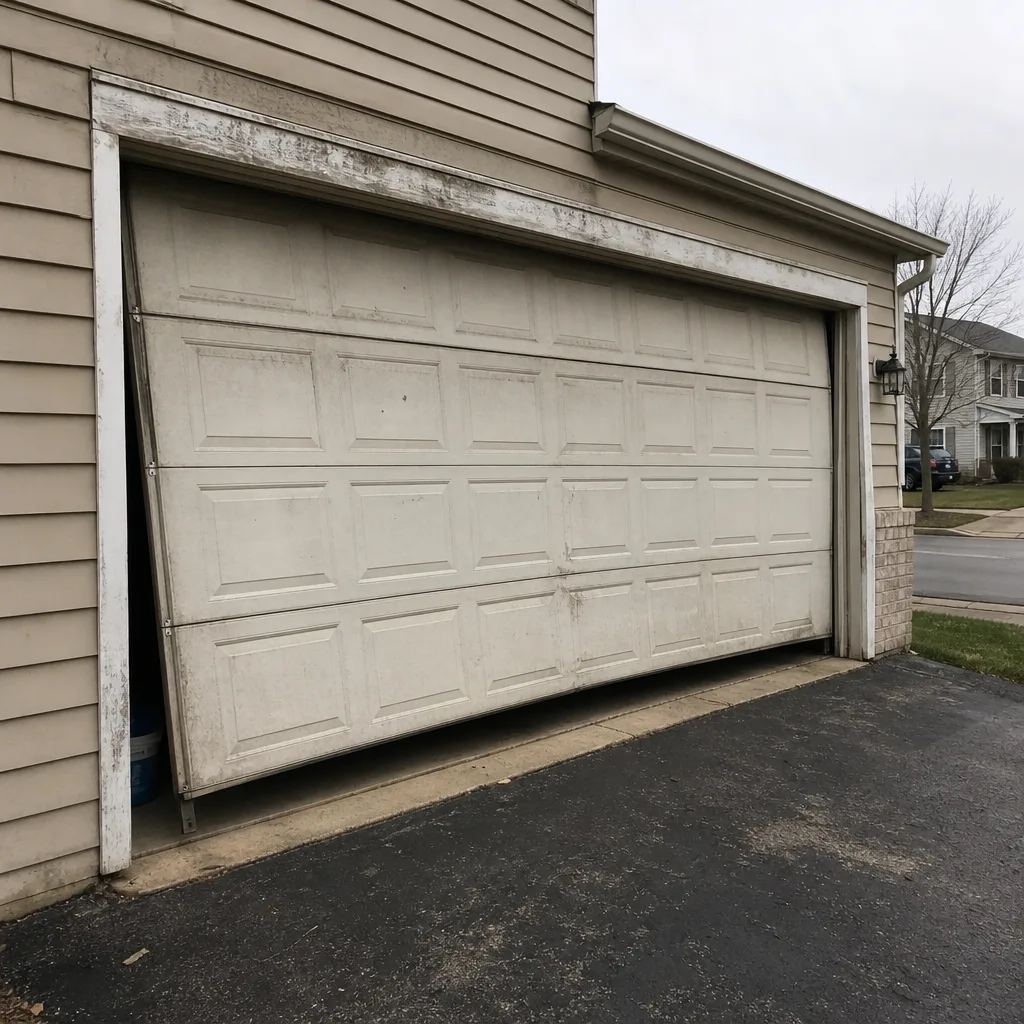 Before
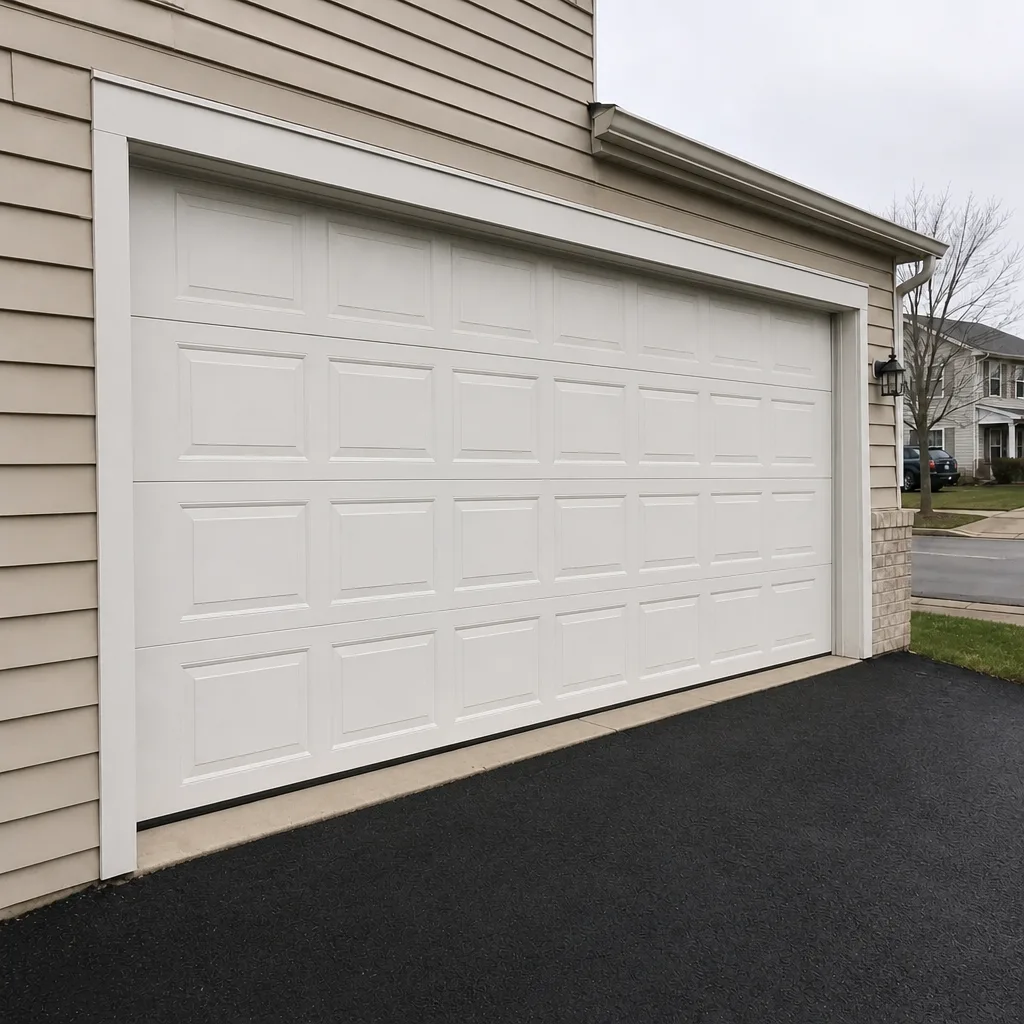 After
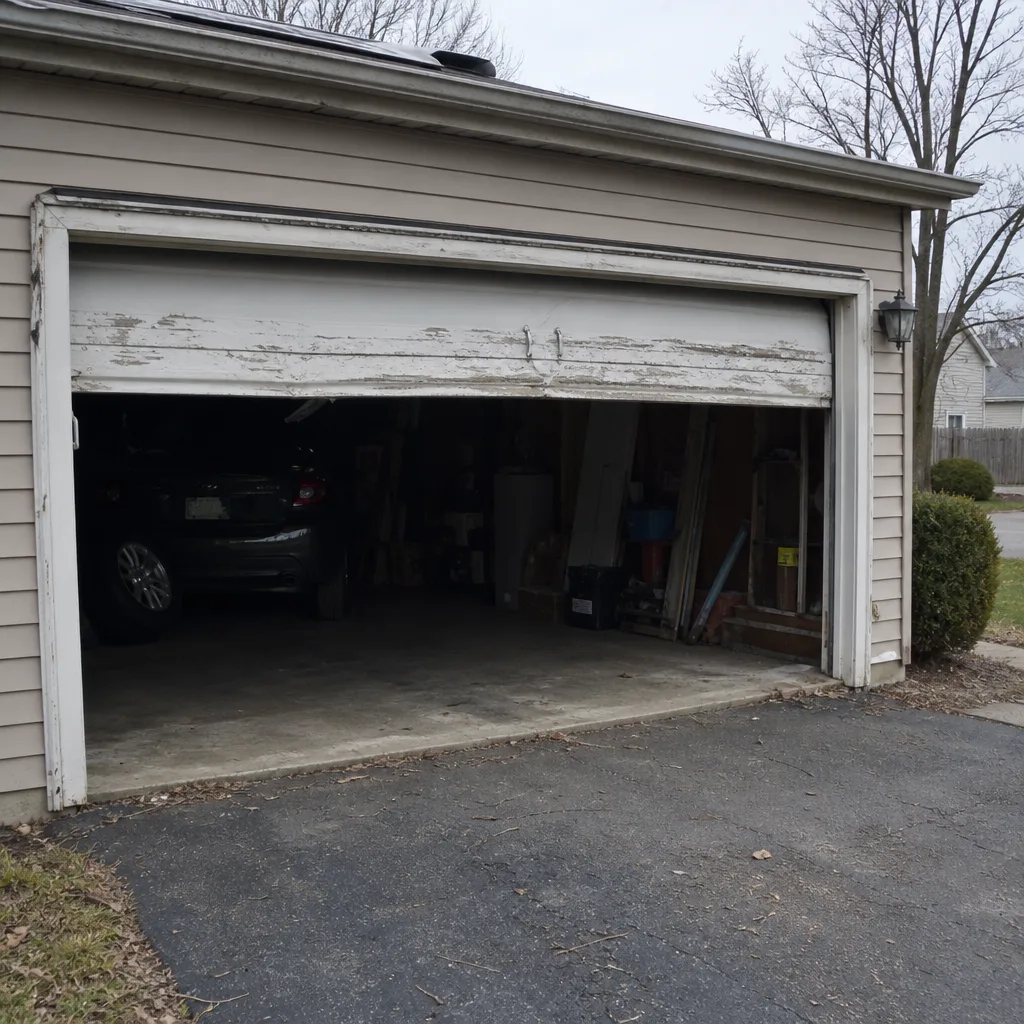 Before
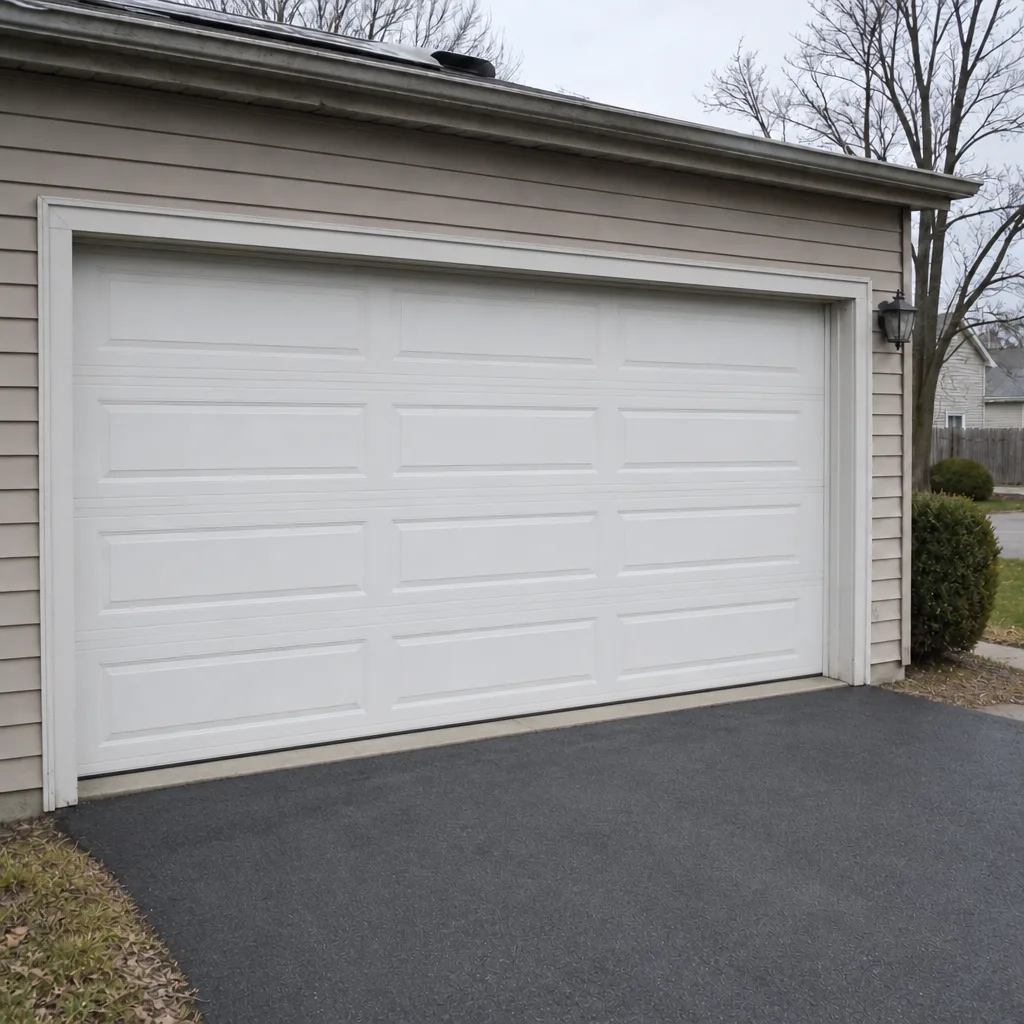 After
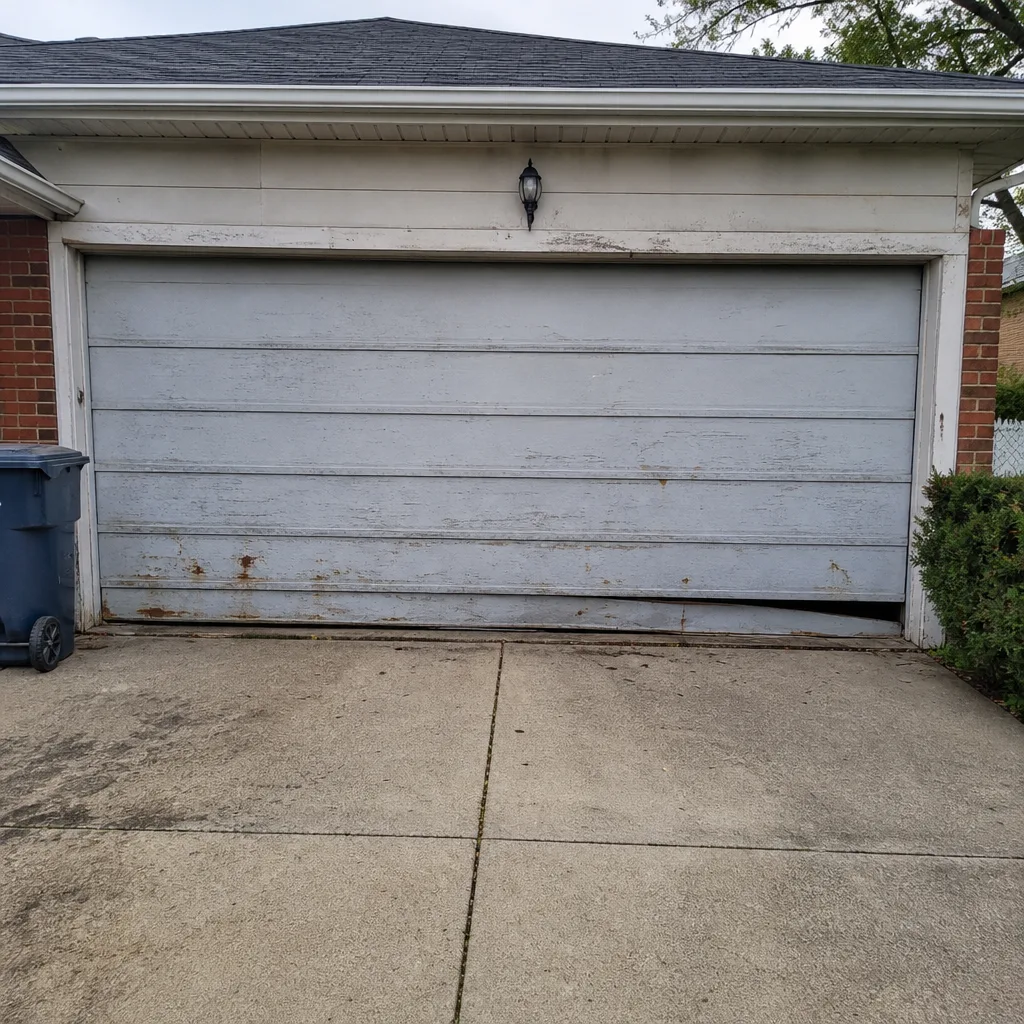 Before
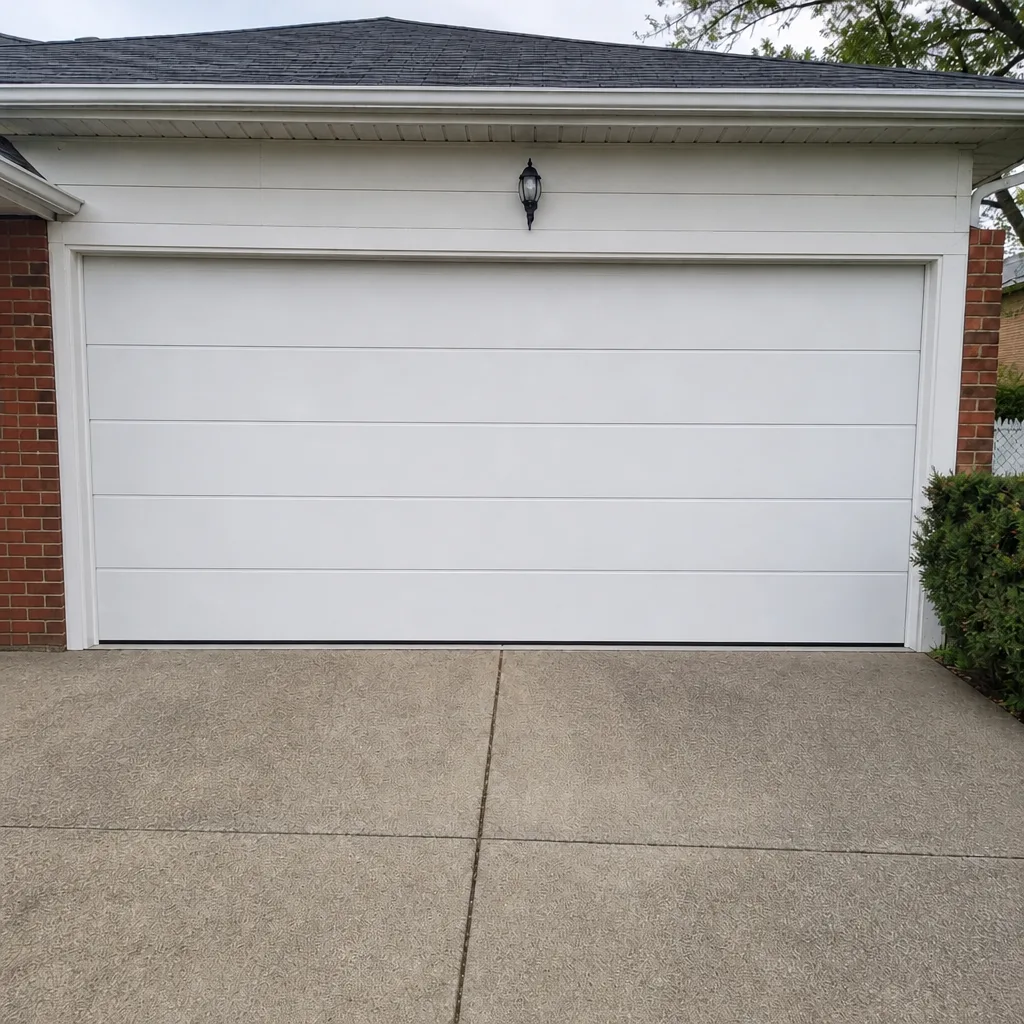 After
When to Call a Professional
Call a technician when the door won’t open or close at all, when a spring has snapped, when a cable is visibly frayed or off its drum, when the door hangs crooked, when the auto-reverse fails, or when a loud bang from the garage means a spring died. Call when a repair involves loosening a fastener on any component under spring load, or when you’ve attempted a tier-2 repair and the door doesn’t feel right afterward. And call when the door is the primary entry point to your home and you can’t afford a day without it. Garage Door Repair Plainfield Pros offers free estimates in Plainfield. Call (877) 792-6208.
Frequently Asked Questions
You should not. A torsion spring stores enough force to cause serious injury if it releases while you’re working on it, and that release is instantaneous. Spring replacement requires dedicated winding bars, a controlled procedure, and an understanding of how the door’s balance is set. Call (877) 792-6208 for a spring repair quote.
Repair is almost always cheaper when the damage is confined to one component. A single spring, a roller set, or a weatherstrip replacement costs far less than a full door. Replacement makes more sense when the panels are dented across multiple sections, the door is warped beyond adjustment, or the door’s age means several components will fail in sequence. Call us for an estimate and we’ll tell you honestly which way it goes.
Weatherstripping replacement, lubrication, remote and keypad programming, photo-eye alignment, clearing debris from the tracks, and cosmetic touch-ups on steel panels are all within reach. Anything involving springs, cables, track realignment under tension, or opener drive components should go to a technician. If you’re unsure which category a job falls into, that uncertainty is the answer.
It depends entirely on the job, and we quote on site before starting any work. Tier-1 work like weatherstripping is modest, while spring, cable, or opener work is quoted individually. The written estimate you receive is the price you pay, and it’s agreed before we touch the door. Call (877) 792-6208 for an exact quote.
Yes, and the liability can fall on you. If a door you repaired causes an injury to a family member or a visiting contractor, your homeowner’s insurance may investigate whether the repair matched manufacturer specifications. Sometimes a documented repair from a licensed contractor is the safest option. The local pro is licensed and insured as their state requires.
Most cities require a permit for structural replacement, so it’s worth checking with Plainfield’s building department before work starts. A straight repair typically doesn’t need one. Installation or replacement of a door is a different category from repairing an existing one. If you’re not sure which applies, the building department can confirm.
Yes. Emergency garage door service is part of what we offer, not an upsell. When the door won’t move and it’s your primary entry point, call (877) 792-6208 and we’ll get a technician lined up as fast as possible. If you call outside usual hours, we’ll book you for the soonest available slot, which may be early the next morning or Sunday.
The Bottom Line
The DIY-vs-professional decision isn’t about how handy you are. It’s about which tasks cross the physics line. Handle the tier-1 jobs yourself: weatherstripping, lubrication, remote programming, and debris clearing. Bring in a professional for springs, cables, track work under tension, and any repair that needs the door’s balance verified. Get a diagnostic estimate before you commit to any tier-2 job, and let a Plainfield technician touch the risky parts. One call can cover diagnosis, repair, and installation, so you don’t end up with a second opinion and a doubled bill. Call (877) 792-6208 for a free estimate.
Written by the team at Garage Door Repair Plainfield Pros.