Last updated November 22, 2026
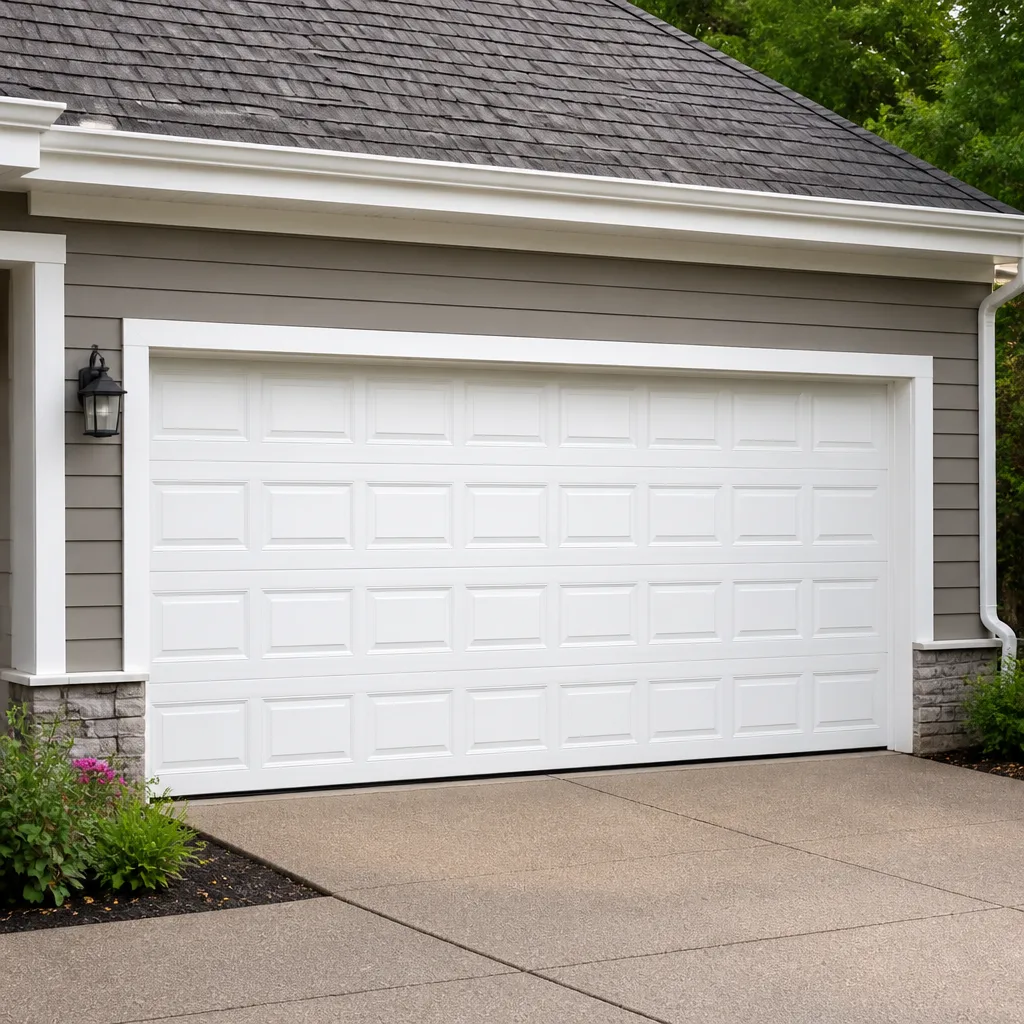 Raised-panel steel
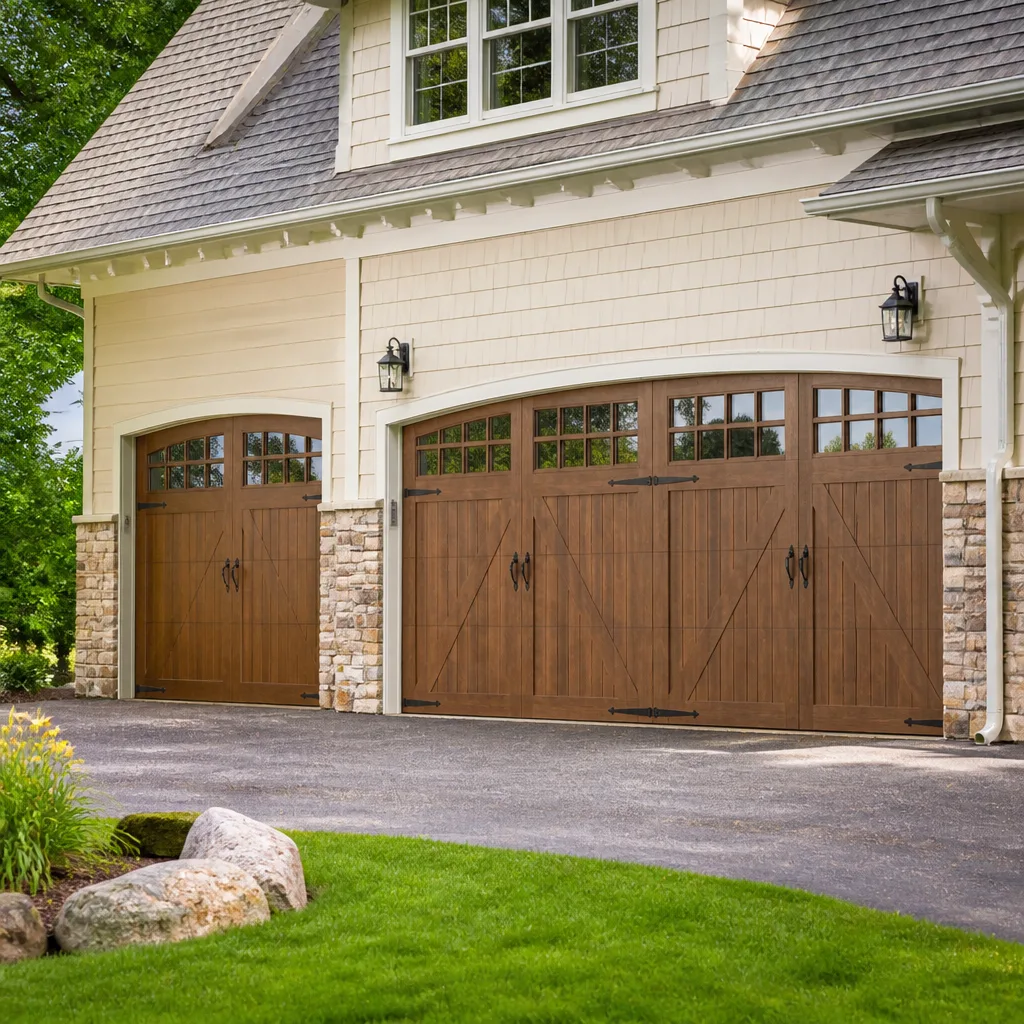 Carriage house
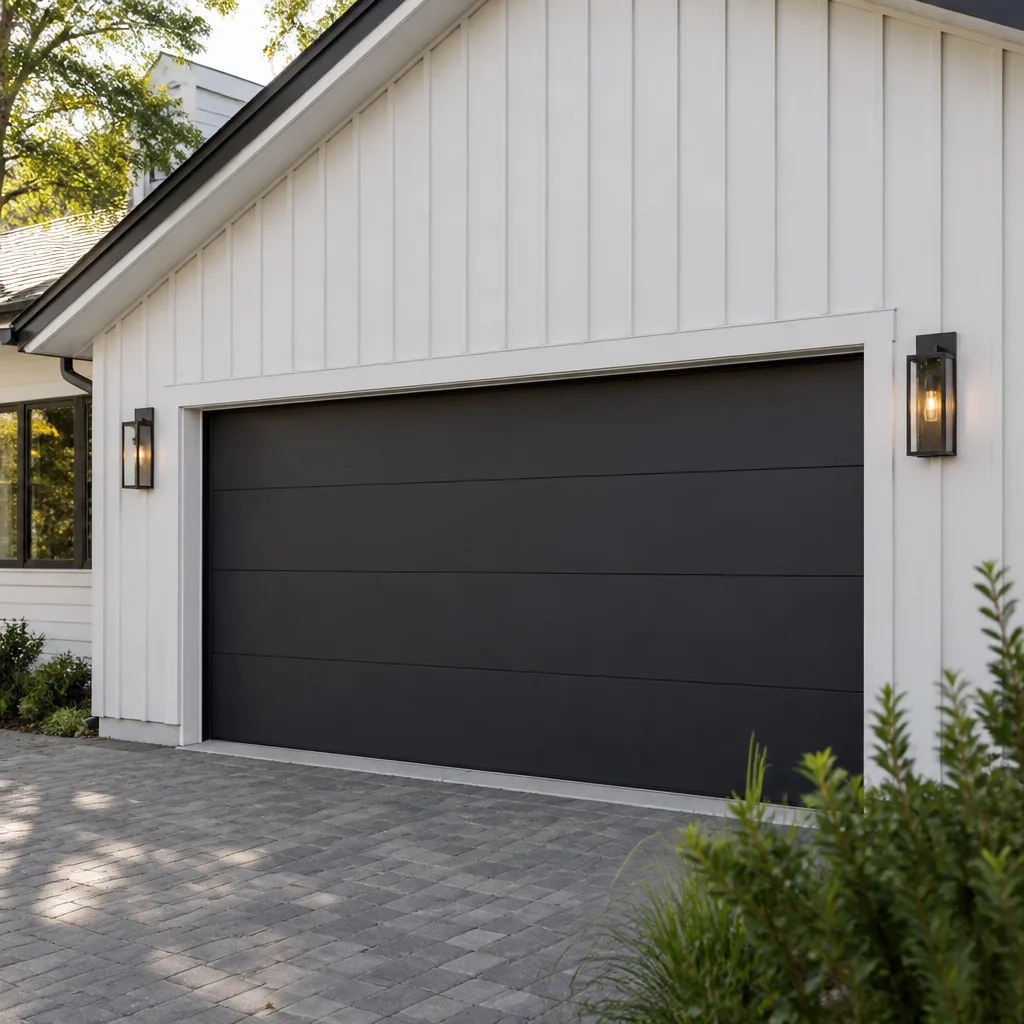 Modern flush
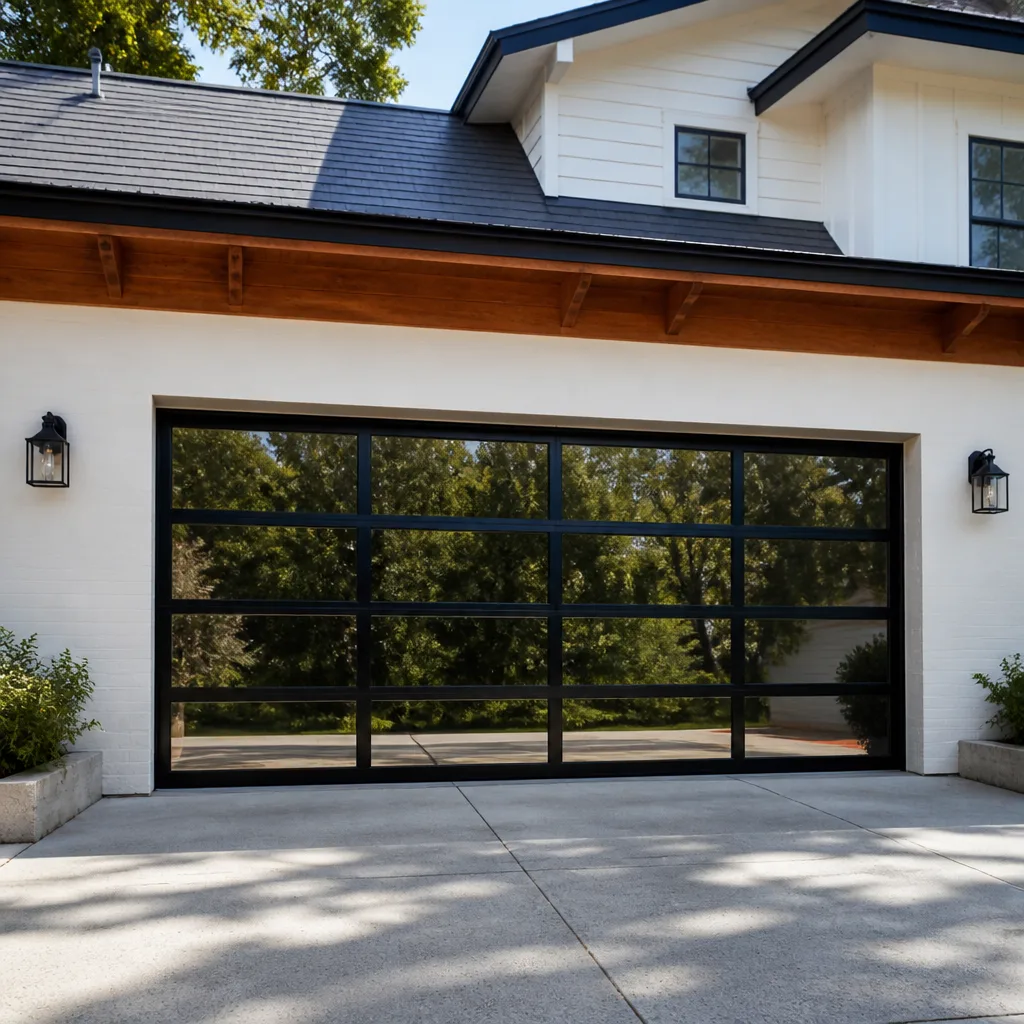 Full-view glass
 LiftMaster openers
 Chamberlain openers
Full 25-point door and opener safety check with every visit - springs, cables, rollers, tracks, and your LiftMaster or Chamberlain opener included
You get a price before we start. It does not change when the pro arrives.
Get your free estimateGarage Door Permits, Codes & Inspections in Plainfield, IL: What You Need to Know
Most homeowners in Plainfield assume any garage door work is permit-free. That’s half true, and the half that isn’t is where trouble starts. A like-for-like door swap usually doesn’t trigger a permit. Change the opening size, add a new opener circuit, or touch the structural header above the door, and you’ve crossed into permitted work. Illinois home inspectors have gotten sharper about flagging unpermitted header modifications during resale inspections, partly because Plainfield’s 2000s construction boom left a lot of DIY structural work that never saw an inspection. This guide walks through when the Village of Plainfield wants a permit, which code sections govern attached-garage doors, how inspections actually run, and how to fix unpermitted work before it costs you at closing.
Quick Answer
In Plainfield, a straight replacement of a garage door or opener with the same size and same electrical setup is typically exempt from a building permit, but any change to the opening dimensions, structural header, wall framing, or electrical circuit requires a permit from the Village of Plainfield before work begins. Attached garages also have to keep the fire separation between the garage and living space intact, which is where most code violations show up. When in doubt, call the Village’s building department and describe the exact scope.
Styles & brands we work with
- Raised-panel steel
- Carriage house
- Modern flush
- Full-view glass
- LiftMaster openers
- Chamberlain openers
Table of Contents
- When does garage door work need a permit in Plainfield?
- When is a garage door replacement exempt?
- Fire ratings and the garage-to-living-space rule
- What the Village of Plainfield inspection process looks like
- How unpermitted work affects insurance and mortgages
- How to permit previously unpermitted work
- What a garage door contractor handles vs. what you handle
- Common mistakes to avoid
When Does Garage Door Work Need a Permit in Plainfield?
A permit is triggered when the work changes the structure or the electrical system of the garage, not when it simply replaces a component. That’s the line most homeowners miss. Replacing a door with the identical size and same track layout is one thing. Widening the opening for a double door, reframing the header, adding a new opener circuit, or installing a new subpanel in the garage is another.
These are the scopes that typically require a permit from the Village of Plainfield:
- Changing the garage door opening size, whether widening, raising, or converting a single-door opening to a double.
- Modifying or replacing the structural header above the garage door opening, including any cut, splice, or reinforcement.
- Reframing the wall around the opening or altering the rough opening dimensions.
- Adding a new dedicated electrical circuit for an opener, or relocating an existing circuit to a new location in the garage.
- Adding a subpanel or new outlet dedicated to the garage door system.
- Installing a new structural track or reinforcement that requires anchor points drilled into the framing or masonry.
- Converting a carport to a fully enclosed garage, which involves new walls, a header, and electrical.
The rule of thumb we share with customers in Plainfield is simple: if the work changes something permanent about the structure or the electrical, pick up the phone and call the Village’s building department before anyone touches the door. The building department is the authority on whether your specific scope needs a permit, and their answer overrides anything you read online, this guide included.
When Is a Garage Door Replacement Exempt?
Most garage door jobs in Plainfield fall into exempt territory, which is why so many homeowners never think about permits at all. A like-for-like swap of the door only, or a straight replacement of an opener with another unit wired to the same circuit, generally doesn’t require a permit. The work is considered maintenance or repair rather than new construction.
These scopes are typically exempt:
- Replacing a garage door with the same size door in the same opening, using the existing tracks and brackets.
- Replacing the opener with a new unit connected to the same power source, no new wiring or circuit.
- Repairing or replacing springs, cables, rollers, or hinges as part of routine maintenance.
- Replacing a section of a sectional door when the section matches the original.
- Replacing weatherstripping, bottom seals, or trim around the existing opening.
Here’s the nuance that catches people: even an “exempt” replacement becomes permitted work if the new door is heavier or larger and requires new springs, new structural anchoring, or a change to the track layout. If you’re upgrading from a standard steel door to an insulated Clopay or Amarr door with significantly higher weight, the spring and anchor points usually change, and that can cross into permitted scope. The manufacturer’s install specs plus the Village’s determination decide that, not the door’s appearance. If you’re replacing a door and the technician flags the spring and header anchors as needing new hardware, ask the building department before work starts. It takes one phone call and saves months of confusion later.
Fire Ratings and the Garage-to-Living-Space Rule
Attached garages are the most common configuration in Plainfield subdivisions, and attached garages have a fire separation requirement under the International Residential Code. The rule exists because a fire started in a garage can travel into the living space through the opening, and the door is part of that protection. The correct door, installed on the correct opening with intact weatherstripping and seals, holds a fire back long enough for occupants to escape. A door with a missing bottom seal, an open hole where the opener arm connected, or a replacement that doesn’t match the original fire-rated spec undoes that protection.
Common violations we see in Plainfield area homes:
- Replacing a fire-rated door with a non-rated door because the homeowner liked the look or price of the new model.
- Removing the threshold seal during a door replacement and never reinstalling it.
- Cutting or modifying the wall above the garage door for a taller install, which breaks the fire separation between the garage and the room above.
- Holes drilled through the wall for a new opener mount without sealing around the penetration afterward.
- Drywall gaps or missing fire-rated drywall on the shared wall that were never corrected after a renovation.
The takeaway: if you’re replacing a door on an attached garage in Plainfield, the replacement should keep the same fire rating as the original. Your installer should be able to tell you what that rating is, and the door’s label or spec sheet should confirm it. If a door has to be rebuilt or the opening resized, that work typically requires a permit precisely because it touches the fire separation. Ask the Village of Plainfield’s building department to confirm the requirement for your exact scope before ordering a door.
What the Village of Plainfield Inspection Process Looks Like
Plainfield permit inspections for garage door work are straightforward when the scope is clear and the contractor knows what the inspector wants to see. The process typically follows a set sequence, though the exact steps depend on what the Village’s building department confirms for your scope.
- Application and plan review. You or your contractor submits a permit application with scope of work, door spec sheet, structural details if the header is changing, and an electrical diagram if a new circuit is involved.
- Permit issuance. Once the Village reviews the application and any plan review is complete, the permit is issued and posted at the job site.
- Rough-in inspection (if structural or electrical). If the header, wall framing, or electrical circuit is part of the scope, the inspector checks that work before the door or opener is finished out.
- Final inspection. The inspector verifies the completed work matches the approved permit, including the door rating on attached garages, the electrical connection, and the structural through-penetrations.
- Permit close-out. Once the final inspection passes, the permit is closed and the record shows the work as permitted, which is what you’ll want at resale.
Turnaround depends on the Village’s current workload and how complete your application is. A clean application with the door spec, structural details, and electrical plan submitted together usually moves faster than one that’s amended mid-review. In our experience, the most common delay is a missing manufacturer spec sheet or a scope description that’s too vague. Write the scope in plain English, attach the door’s spec, and the review tends to go smoothly. If the door is a LiftMaster opener install with a new circuit, that has to be labeled and inspected like any other electrical addition.
One more Plainfield-specific note. The build-out of neighborhoods like Grande Park, Lakelands, and the older village core means the Village’s inspectors have seen every kind of garage configuration. Being specific about your home’s construction type and door opening will get you a faster answer than a general “we’re replacing the garage door” description.
How Unpermitted Work Affects Insurance and Mortgages
Unpermitted structural modifications are a real problem at resale and can complicate a homeowner’s insurance claim if the work is ever tested by a loss. This is not a scare tactic. When a claim involves garage structure, the insurer’s adjuster looks at the permitted record, and if the header modification, wall change, or electrical work was never permitted or inspected, the claim can be contested or reduced. Insurers aren’t in the business of paying for work that was never verified to code.
On the mortgage side, the same record matters. When a buyer’s lender orders an appraisal and the appraiser or inspector flags unpermitted structural changes, the loan can be held up, the buyer can renegotiate, or the sale can stall until the work is permitted or corrected. Illinois home inspectors are trained to spot header modifications that don’t match the original construction drawings, and in Plainfield’s 2000s subdivisions, where many homes have had a garage door upgrade since original build, that flag comes up more than homeowners expect.
What you can do to protect yourself:
- Know your permit history. Ask the Village of Plainfield’s building department for a permit history on your address before you sell.
- Keep paperwork. Any door spec sheet, permit number, and inspection record is worth keeping with the house file.
- Don’t cover unpermitted work. Patching drywall over an unpermitted header change makes the problem harder and more expensive to correct.
- Call your insurer if you’re unsure. Some policies ask about structural modifications when you update coverage, and being upfront avoids a claim dispute later.
If you’re planning a door upgrade on an attached garage, our garage door repair team can walk the opening with you and flag any structural issue before it becomes a permit question. If a spring or opener fails while you’re sorting out the paperwork, garage door opener repair and garage door spring repair are both handled as core services, not add-ons.
How to Permit Previously Unpermitted Work
Retroactive permitting is possible, and it’s the right move when you discover an unpermitted header change, an unpermitted door replacement, or an unpermitted opener circuit on a Plainfield home. The process is a formal permit application for work already in place, followed by an inspection of the existing construction. The Village has to see that what’s there meets the code, and if it doesn’t, the work has to be corrected before the permit can be closed.
The general process looks like this:
- Call the Village of Plainfield building department and describe the existing work. Ask what they need for a retroactive permit application on your address.
- Document the current condition. Photos of the header, the opening, the door, the electrical connection, and the fire separation.
- Submit the retroactive permit application with a scope description and any manufacturer specs for the door or opener.
- Schedule the inspection. The inspector evaluates the existing work against the code requirements for your construction type.
- Correct any deficiencies. If the header, fire separation, or electrical doesn’t meet code, the work has to be brought up to standard, which is where a specialist helps.
- Close the permit. Once the corrections pass, the permit is closed and the work is on the record, which is exactly what you want for resale.
What triggers enforcement is usually a resale inspection, a neighbor complaint, or a contractor who spots the issue while working on the house and reports it. Plainfield’s building department responds to complaints and inspection referrals in the normal course, which is one more reason to correct unpermitted work proactively rather than wait for it to surface during a sale. The earlier you address it, the easier and cheaper the fix.
What a Garage Door Contractor Handles vs. What You Handle
We get this question often, so here’s the clean split. The garage door contractor handles the door, the opener, springs, tracks, hardware, and the technical scope of the work. The homeowner, or the contractor acting as the applicant, handles the permit and inspection paperwork with the Village of Plainfield. In practice, many door contractors walk you through the permit steps and many homeowners prefer to have the permit pulled before the job starts so the inspection can be scheduled at completion.
What we do on every Plainfield job:
- Assess the door, opener, and opening to determine whether the work is a like-for-like replacement or a structural change.
- Flag permit triggers before any work begins, so you can call the Village and confirm the requirement for your scope.
- Provide the door spec sheet and install details the permit application needs, whether the work involves a Clopay door, a Genie opener, or a LiftMaster system.
- Explain the fire rating on an attached-garage replacement and match the new door to the original rating.
- Handle the technical scope so the inspection passes on the first visit rather than after corrections.
What we can’t do is file the permit for you on a scope we haven’t confirmed with the Village, because the Village is the authority on what’s required. What we can do is tell you with confidence whether the scope in front of us is exempt or likely permitted, based on what we’ve seen on Plainfield homes. Our technicians have up to 8 years of experience across the major brands, so the assessment is specific to your door, not generic. For a broader look at what we handle, see Garage Door Repair Plainfield Pros.
Common Mistakes to Avoid
- Assuming all garage door replacements are exempt. Most are, but the ones that aren’t tend to be the expensive ones. Ask the Village before you order the door.
- Ordering a door before confirming the permit question. A door ordered at the wrong size or rating can’t be returned easily and usually can’t be installed without correction. Confirm the scope and the rating first.
- Removing the threshold seal on an attached garage. The seal is part of the fire separation, and “improving the look” by pulling it is a code problem. Keep it or replace it with the correct rated part.
- Drilling through the wall for a new opener mount without sealing the penetration. In Plainfield, an unsealed penetration through an attached-garage wall is exactly what the fire separation rule is there to prevent. Seal it after installation.
- Ignoring the fire rating label on the existing door. When you replace a door on an attached garage, the new door should carry the same rating as the door coming out. Our team checks this on every attached-garage install in Plainfield.
- Assuming the contractor’s permit is your permit. If the contractor pulls the permit, confirm which name it’s under and get a copy of the closed inspection record for your house file.
- Waiting until resale to look at permit history. Patching drywall over an unpermitted header, or replacing a door twice because the first one was the wrong rating, both cost more than asking early.
See the difference
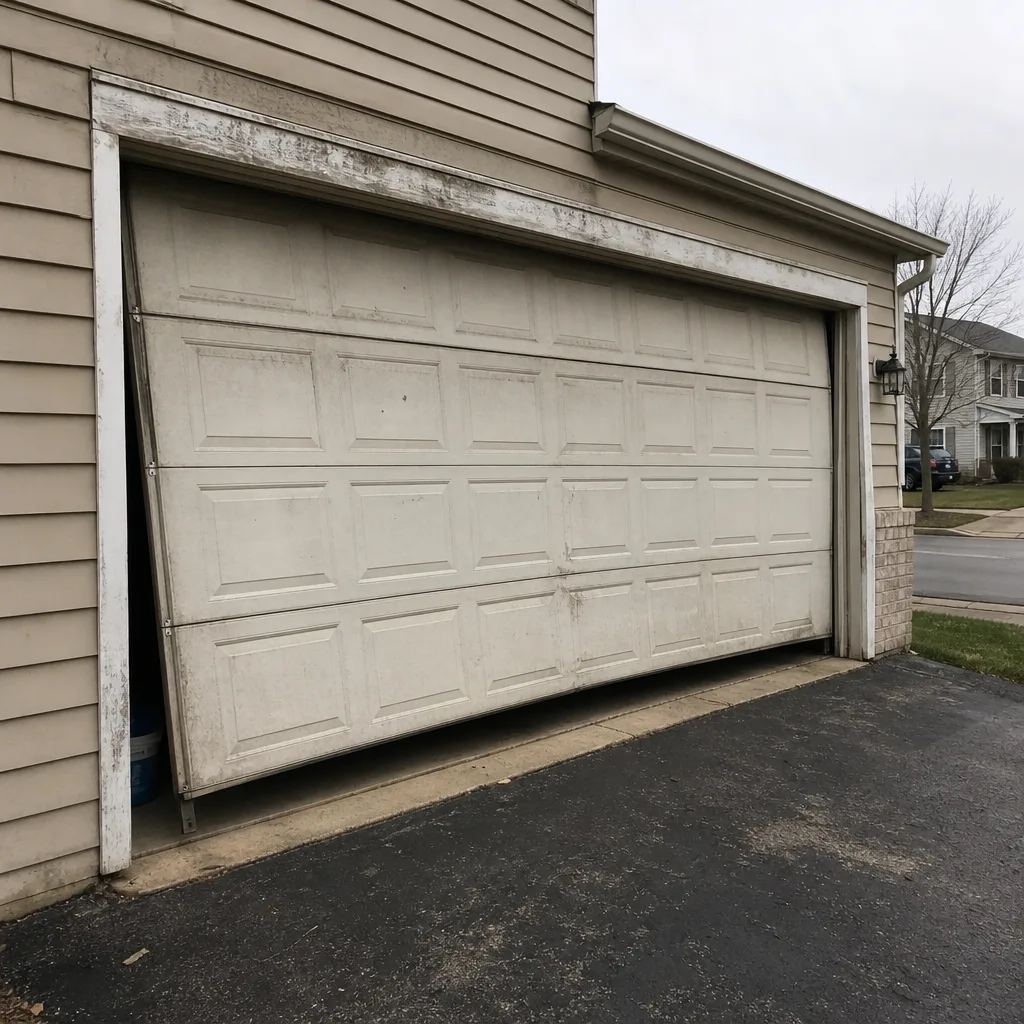 Before
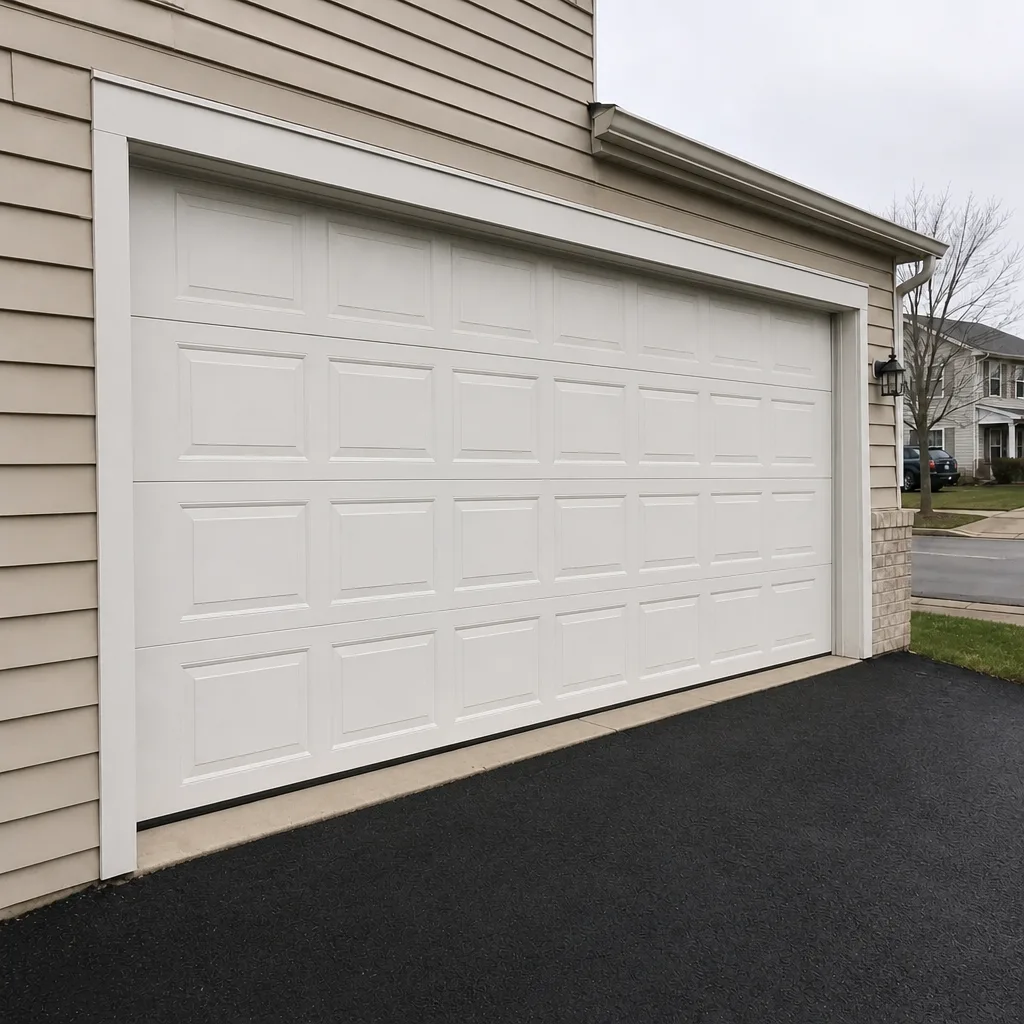 After
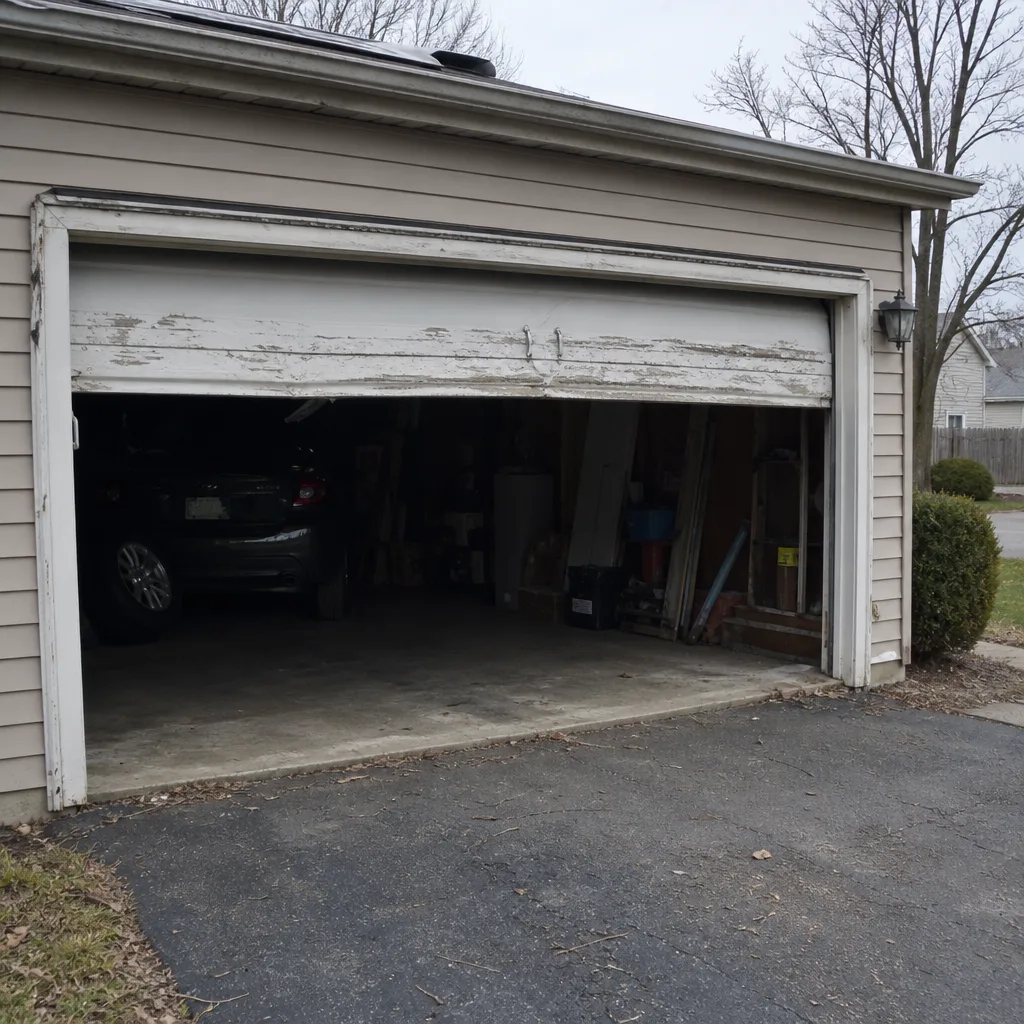 Before
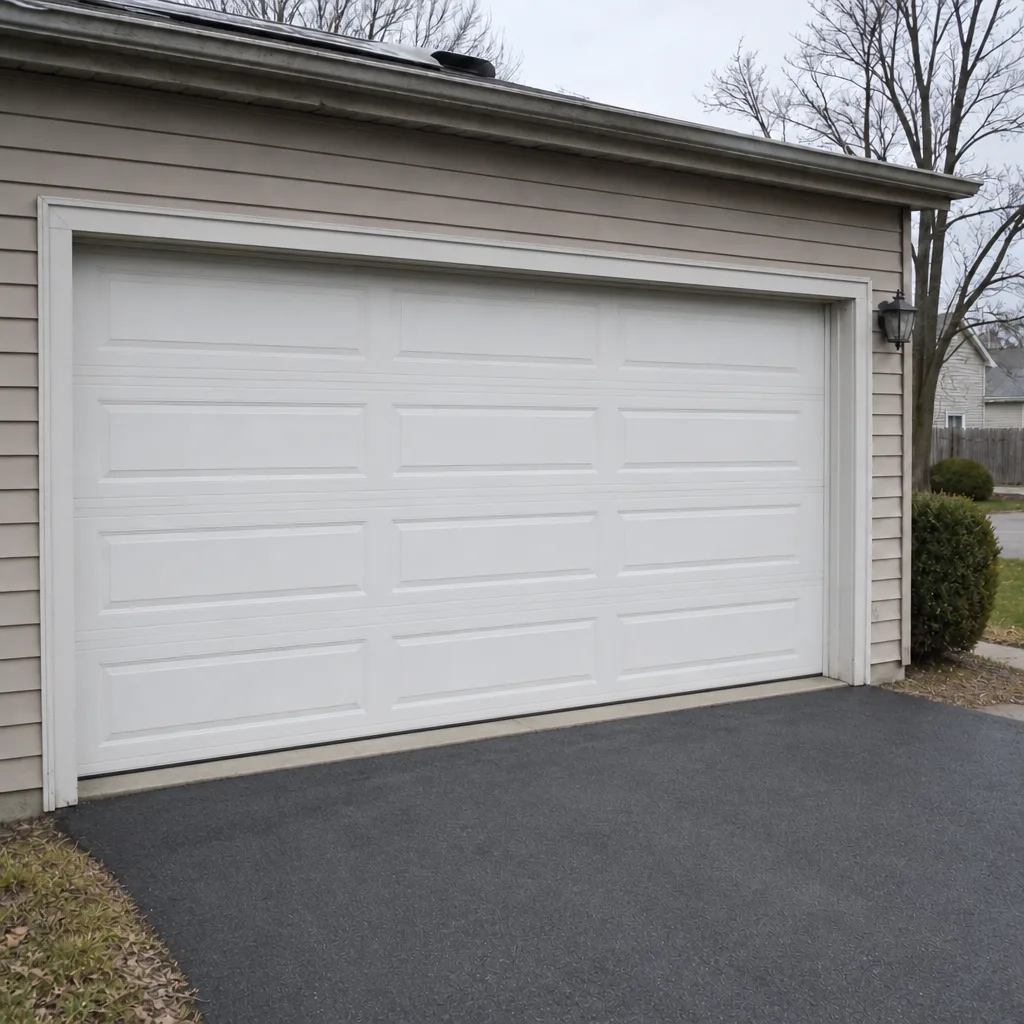 After
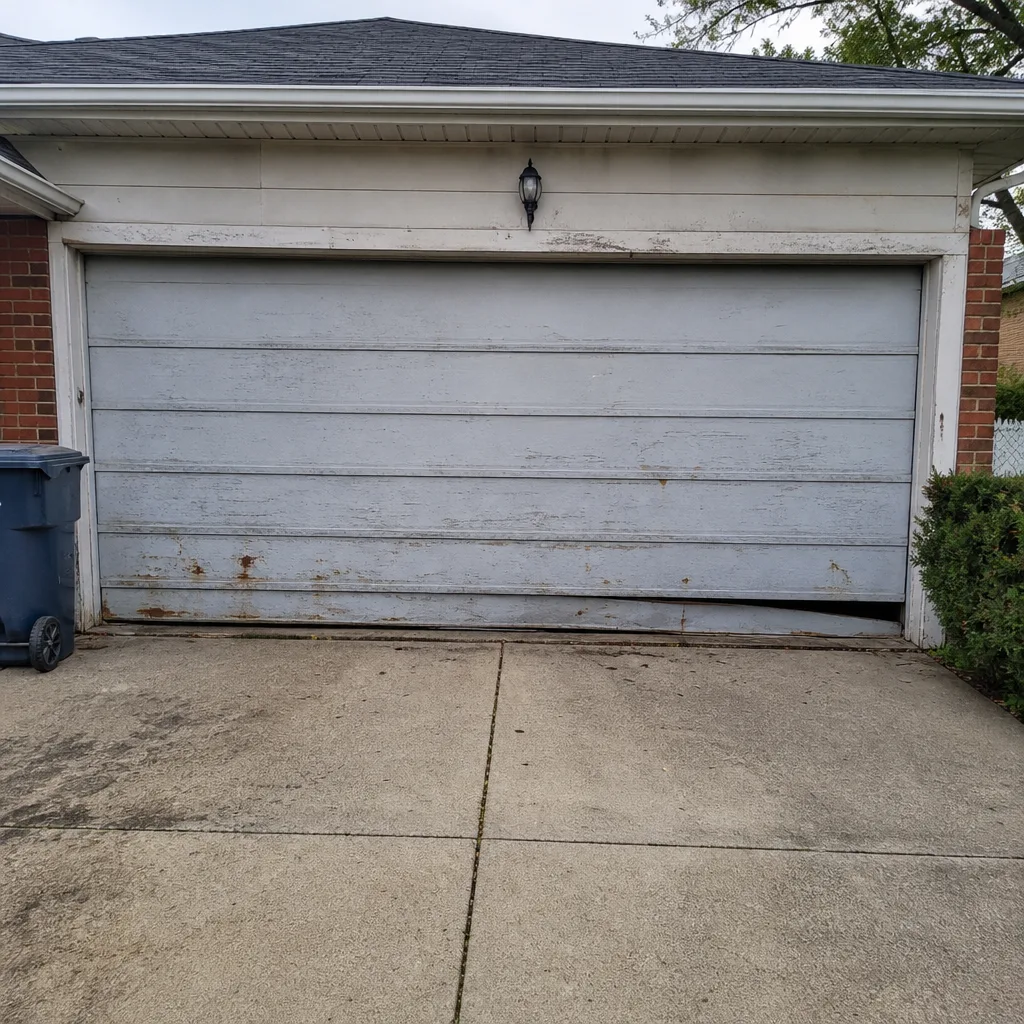 Before
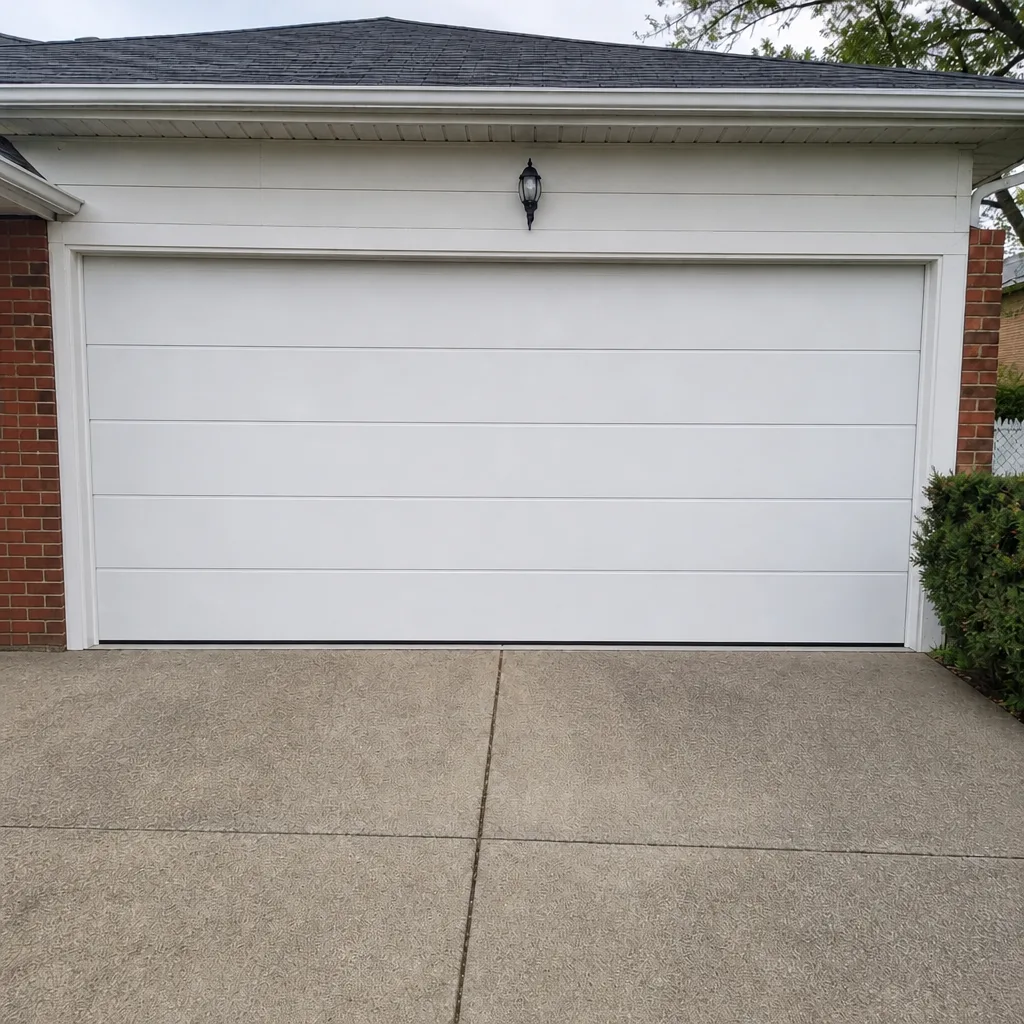 After
When to Call a Professional
Call us when the scope involves more than a same-size door swap and you want a technician to look before you commit. If the opening is changing, the header is suspect, the fire separation looks compromised, or the electrical setup doesn’t match the new opener, the assessment should come first. Springs and cables are the highest-risk part of any garage door system and we don’t recommend anyone handling them outside of a trained repair. If the door is stuck, hanging, or off-track, that’s an urgent repair and we treat it as emergency service, not a scheduled item. If the door needs a full replacement, we start with a free measure and a written quote rather than a same-day promise, because installation is measured and ordered. Garage Door Repair Plainfield Pros offers free estimates in Plainfield – call (877) 792-6208.
Frequently Asked Questions
Usually not, if you’re replacing the door with the same size door in the same opening and keeping the existing structural and electrical setup. A permit typically becomes necessary the moment you change the opening size, modify the structural header, or add a new electrical circuit. Confirm the requirement with the Village of Plainfield building department before ordering the door.
The rule requires a fire-rated separation between an attached garage and the living space, and the door is part of that separation. The replacement door should carry the same fire rating as the one being removed, and the threshold seal, drywall, and any wall penetrations need to stay intact. The Village of Plainfield’s building department can confirm the exact requirement for your home’s construction type.
Turnaround depends on the Village’s current workload and how complete the application is. A clean application with the door spec sheet, structural details, and electrical plan submitted together generally moves faster than one that gets amended mid-review. Most of the delay we see comes from missing documentation, not the inspection itself.
Illinois home inspectors flag unpermitted structural work, and a flag during a resale inspection can hold up the sale or complicate the buyer’s financing. The fix is a retroactive permit with the Village of Plainfield, which documents the existing work and corrects anything that doesn’t meet code. Getting ahead of it before listing is easier than handling it during closing.
For a simple like-for-like door replacement with no structural or electrical change, the work is often exempt. We don’t recommend homeowners handling the installation on their own though, because springs, cables, and the header connection carry real injury risk. Spring tension is stored energy and a mistake can be serious, so we treat spring and cable work as a professional job, always.
A permitted and inspected door replacement gives your insurer and lender a clean record if there’s ever a claim or a sale. Unpermitted structural work can complicate a claim if it’s part of the loss. Keep the permit and inspection record with your house file and let your insurer know if the door replacement changes the fire-rated spec on an attached garage.
The Bottom Line
In Plainfield, most garage door replacements don’t need a permit, but the exceptions are the ones that matter. An opening size change, a header modification, a new electrical circuit, or a change to the fire separation on an attached garage all trigger the permit process with the Village of Plainfield. Skipping it creates real problems at resale, especially in the 2000s subdivisions where DIY header work is now showing up in home inspections. Do the one thing that settles it: call the Village building department, describe the scope, and confirm before you order. Then have the door installed by a team that knows the door, the opener, and the code. Our technicians have up to 8 years of experience across LiftMaster, Chamberlain, Genie, Clopay, Amarr, Wayne Dalton, Craftsman, and Raynor, and our spring repair and emergency service are core parts of what we do. When the door fails, call (877) 792-6208 for a free estimate.
Written by the team at Garage Door Repair Plainfield Pros.